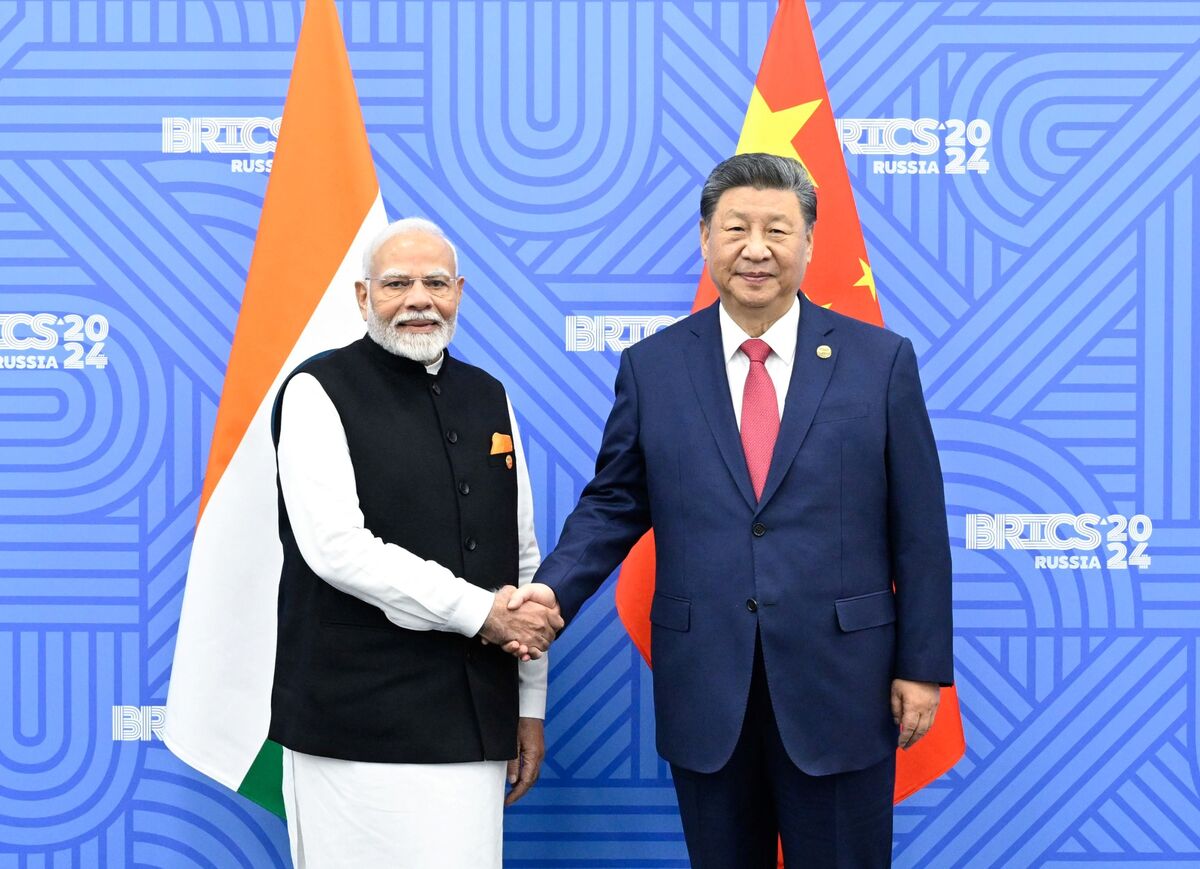
Prime Minister Modi has reopened India’s investment window to Chinese capital, easing previous restrictions while maintaining safeguards and limits. The policy change signals a cautious thaw that may modestly boost targeted Chinese FDI into select sectors (e.g., startups, technology, infrastructure) but is unlikely to produce a large, immediate capital inflow given political and security constraints. Expect localized sector impacts and increased regulatory scrutiny that could shift investor positioning in Indian markets.
The loosened channel for capital will produce concentrated, not broad, inflows: expect private markets, late-stage tech rounds and targeted M&A rather than a liquidity tsunami into public equities. That favors intermediaries (IB/advisory, law) and specialist growth investors who can structure minority, passively controlled stakes; mark-to-market in affected mid‑caps could re-rate by high‑single to low‑teens percent over 6–24 months as exit pathways improve.
On the supply‑chain front, Chinese strategic capital will prefer JV/contract manufacturing and capex-light arrangements (tooling/support, minority manufacturing partners) rather than greenfield relocation; this lifts EMS, component suppliers and test/assembly contractors in India over a 1–3 year horizon while limiting large‑scale jobs/plant investment upside. Watch semiconductor assembly/test vendors, battery-component suppliers and industrial engineering firms for outsized order flow tied to China‑backed projects.
Key risks are geopolitical and regulatory reversals that can happen fast (days–weeks) and policy drift that plays out over quarters. Catalysts to monitor: a spike in public approvals or a flurry of cross‑border deal announcements (positive), versus a high‑profile security incident, tightened screening rules, or major domestic political pushback (negative) — any of which can unwind sentiment and stop flows within weeks.
The consensus expects a headline‑driven capital rush; the more likely outcome is a steady, targeted trickle that benefits dealmakers and selective industrial suppliers more than broad public markets. That creates tradeable opportunities to long diversified India exposure while hedging China‑sensitive risk and to take event‑driven stakes in mid‑cap industrials and advisory franchises ahead of visible dealflow.
AI-powered research, real-time alerts, and portfolio analytics for institutional investors.
Request DemoOverall Sentiment
mildly positive
Sentiment Score
0.15
