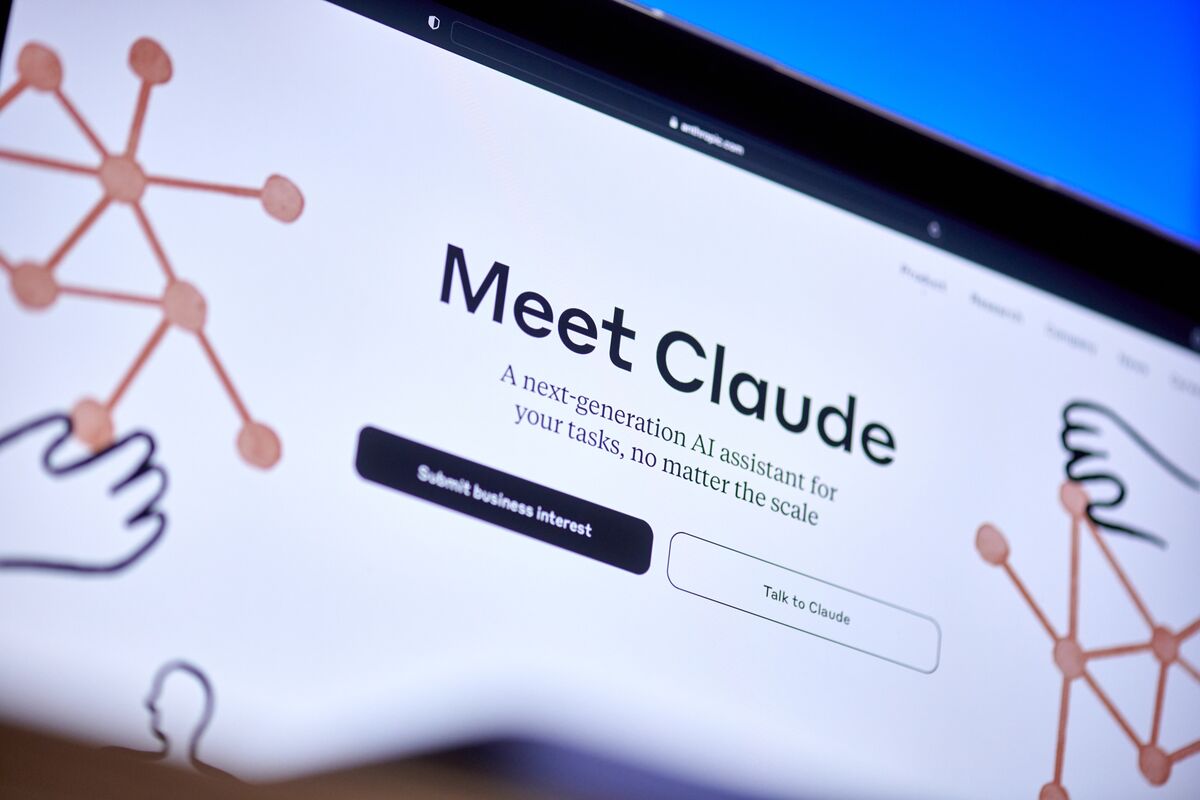
A landmark U.S. District Court ruling has deemed Anthropic's use of millions of copyrighted books for AI model training legal under 'fair use' doctrine, citing its 'transformative' nature. This first-of-its-kind decision significantly benefits AI developers by granting broad access to training data, but it raises concerns for content creators regarding their ability to monetize original work and the future economics of creative industries in the AI era.
A recent U.S. District Court ruling has established a significant legal precedent favoring artificial intelligence developers over content creators. Judge William Alsup's decision permits Anthropic to use millions of copyrighted books for training its AI model without payment, classifying the action as legal "fair use" due to its "transformative — spectacularly so" nature. This landmark judgment is the first of its kind in the U.S. and represents a major setback for creative industries, exposing a critical vulnerability in existing copyright law. By validating the use of the fair use doctrine in this context, the ruling effectively weakens the ability of authors and publishers to monetize their original works, potentially crippling the economic model of the creative sector as AI technology becomes more pervasive. For AI firms, this decision lowers a major barrier to entry and reduces operational costs by granting broad, unpaid access to vast datasets.
AI-powered research, real-time alerts, and portfolio analytics for institutional investors.
Request DemoOverall Sentiment
strongly negative
Sentiment Score
-0.75
