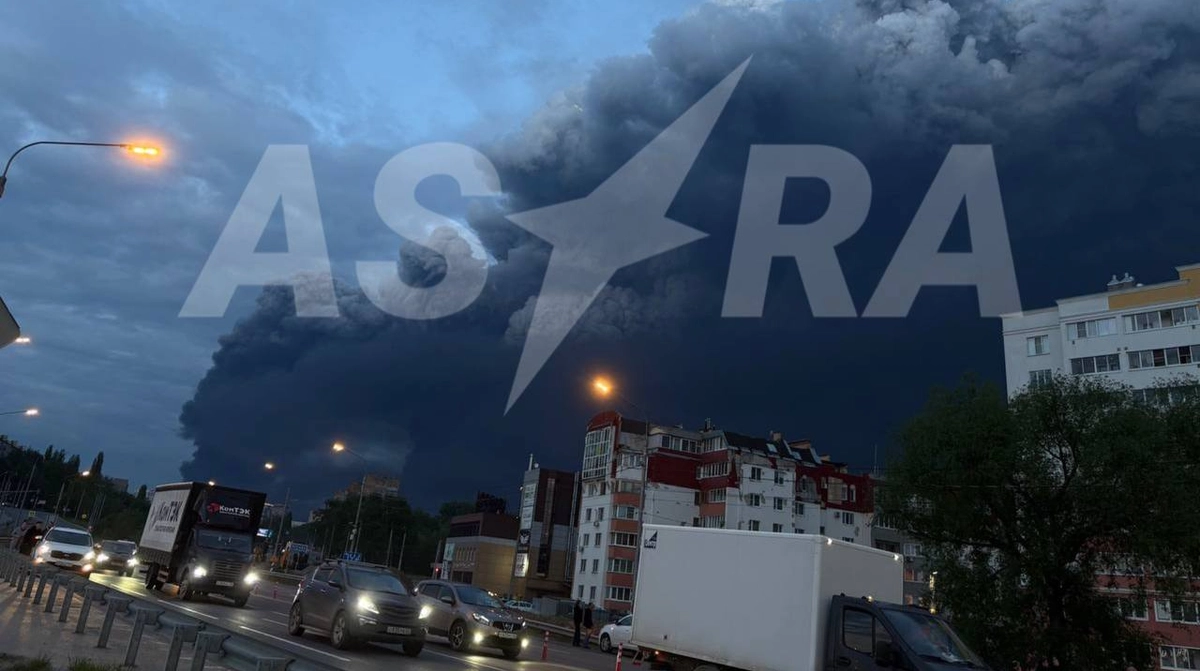
Drones struck the Ryazan oil refinery, one of Russia's largest oil processing plants, triggering a major blaze overnight on 14-15 May. The attack also caused damage to residential buildings and a business, while explosions and smoke were reported in other Russian regions and airport operations were temporarily disrupted. The incident raises immediate geopolitical and infrastructure-security concerns with potential knock-on effects for Russian fuel supply and regional aviation.
This is less about the one refinery headline and more about the market pricing a widening campaign against Russia’s downstream and transport nodes. The immediate second-order effect is not a clean global crude bid; it is a local squeeze on Russian product balance, export logistics, and inland fuel availability, which can force policy responses faster than physical damage alone would suggest. The relevant window is days to weeks for sentiment, but weeks to months for measurable disruption if attacks repeat and insurers/shippers begin to treat Russian energy infrastructure as a higher-probability interruption zone. The more important spillover is diesel and jet fuel rather than Brent. Russia is a major refined-product exporter, so any sustained downtime tends to tighten European middle distillate balances and widen cracks even if headline crude prices lag; that is bullish for refiners with clean assets and access to non-Russian feedstock. Transport is the other sleeper channel: repeated airport restrictions and airbase disruptions raise the probability of routing inefficiencies, higher freight costs, and broader risk premia across European logistics and defense procurement. The counterpoint is that one strike rarely changes global supply enough to justify chasing crude beta after the first gap. Unless the campaign starts taking out multiple large units or persists long enough to curtail export nominations, the best expression is usually in relative value: refined-product margins, defense, and volatility rather than outright oil. If the strikes prove episodic, the move will fade; if they become systematic, the market will need to reprice Russian product exports and regional energy security, which is a much bigger macro story than this single blaze.
AI-powered research, real-time alerts, and portfolio analytics for institutional investors.
Overall Sentiment
strongly negative
Sentiment Score
-0.72
