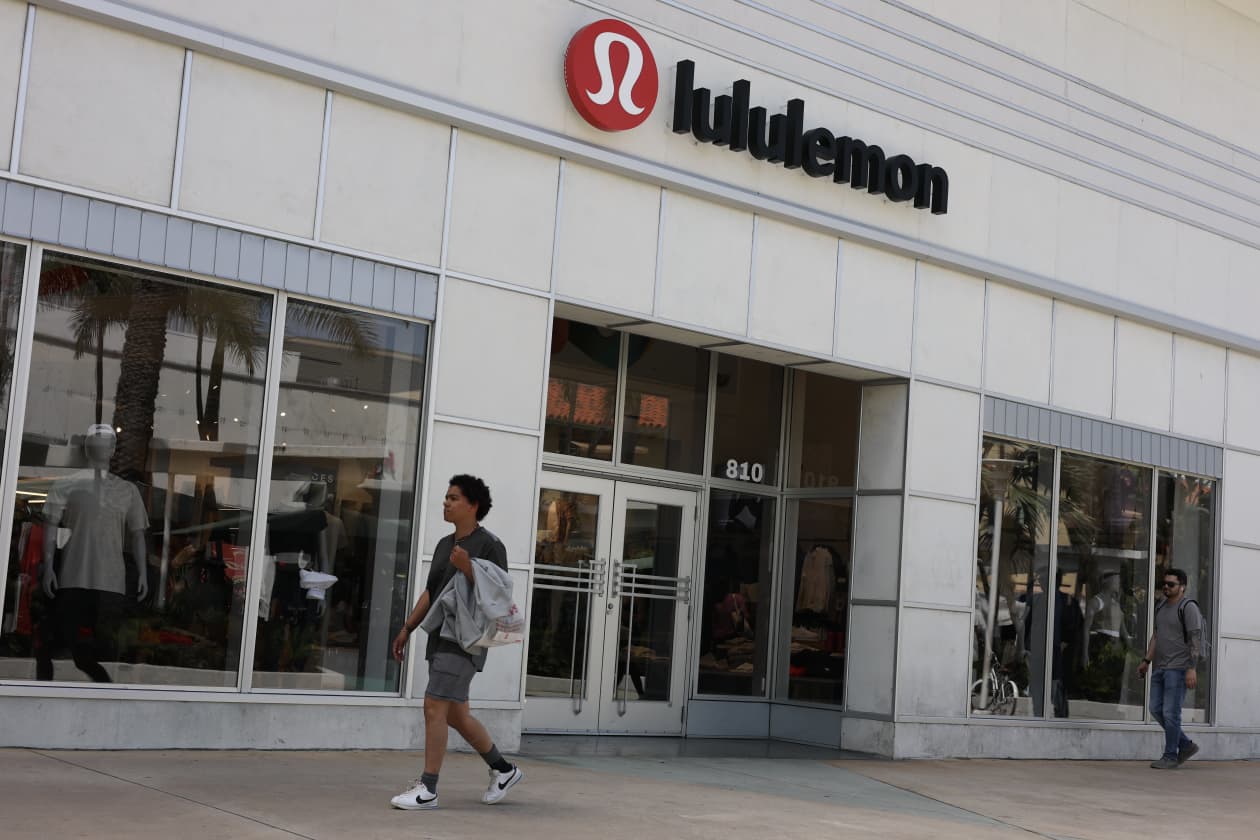
Lululemon publicly pushed back against founder and major shareholder Chip Wilson, saying his vision is outdated and that his three director nominees lack board experience. The company also cited “troubling conflicts of interest,” underscoring an ongoing governance dispute amid broader pressure on the struggling yoga-wear maker. The news is negative for sentiment, but it is more likely to influence governance/activism perceptions than drive an immediate broad market move.
This is less about one founder and more about control over the narrative at a moment when the brand is already vulnerable to multiple compression points: slowing demand, margin pressure from promotion, and a higher bar for product relevance. Public governance fights tend to matter most when the underlying business is weakening, because they widen the discount rate investors apply to future growth and make every quarter look like an inflection point rather than a setback.
The second-order effect is that management is now forced to defend strategy in public while also spending time and cash on shareholder base management. That usually leads to a more promotional near-term posture: louder innovation claims, heavier marketing, and a greater willingness to buy time with discounts or channel incentives. The risk is that this can stabilize reported revenue while quietly eroding gross margin and brand equity, which is the worst possible mix for a premium consumer name.
From a competitive standpoint, any loss of confidence in Lululemon’s premium positioning creates a vacuum for rivals that can offer similar technical apparel at lower price points or with fresher style cycles. The more the debate becomes about governance rather than product, the more consumers have permission to trade down without feeling they’re missing a category leader. That benefits broader athleticwear and mall-premium competitors, while also supporting off-price and value-oriented channels if promotions broaden.
The contrarian view is that founder attacks can be a useful stress test if they force real operational accountability, and a clean board outcome could remove an overhang faster than the market expects. But that bull case needs evidence in sell-through and newness, not rhetoric; absent that, the stock likely trades as a deteriorating premium multiple with event-driven downside over the next 1-3 quarters. The key catalyst is whether upcoming results show stabilization in full-price demand; if not, governance noise simply accelerates multiple compression.
AI-powered research, real-time alerts, and portfolio analytics for institutional investors.
Request DemoOverall Sentiment
moderately negative
Sentiment Score
-0.35
