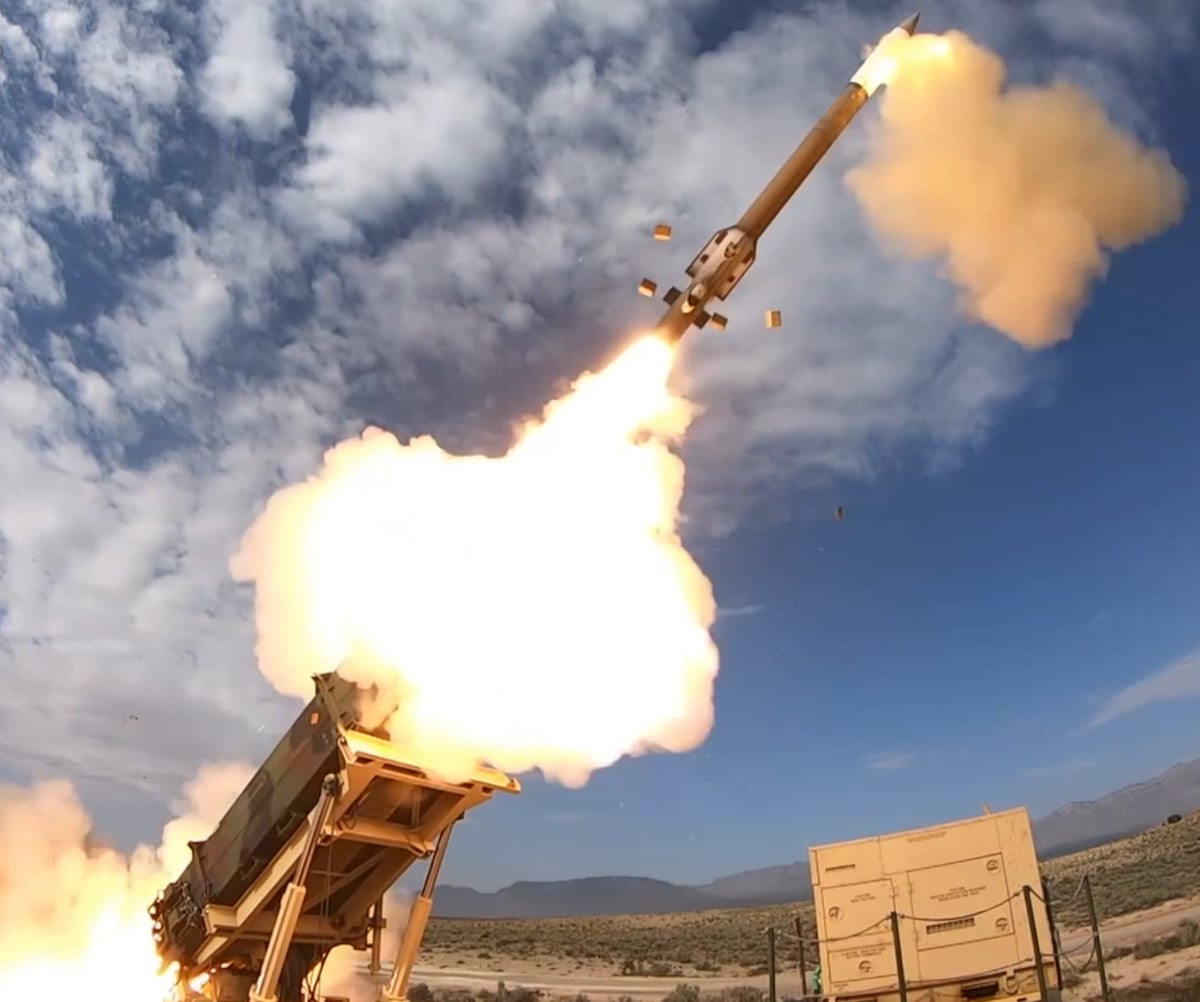
The Department of Defense will invest $1.0 billion via its Industrial Base Analysis and Sustainment authority in L3Harris’ Missile Solutions unit, which will be spun off and pursue an IPO in the second half of 2026; the investment is structured as a convertible preferred security that will convert to common equity at IPO and leaves L3Harris with a controlling stake. The funding is intended to expand and modernize solid rocket motor production for programs including PAC-3, THAAD, Tomahawk and Standard Missile, enable multiyear procurement frameworks, and materially strengthen the defense propulsion industrial base—L3Harris executives say the unit could more than double sales by decade’s end.
Market structure: The DoD’s $1bn anchor investment reintroduces a pure-play solid rocket motor supplier (LHX’s Missile Solutions newco) that should gain immediate pricing power on program re-awards for PAC-3, THAAD, Tomahawk and Standard Missile supply. Direct winners: LHX (parent equity) and suppliers of propellant inputs (aluminum powder, ammonium perchlorate, HTPB producers) where demand could rise 5–15% over 12–36 months; losers: Northrop Grumman’s Orbital ATK segment (NOC) faces procurement headwinds and potential loss of speed-to-contract. Expect defense-equity spreads to tighten, credit spreads on prime defense names to compress modestly, and limited commodity idiosyncratic bumps rather than macro FX/Treasury moves.
Risk assessment: Tail risks include procurement-legal challenges, DoD politicization of awards, and execution delays in ramping four new facilities — any one could erase expected upside. Time horizons: immediate (days) = event-driven re-rating of LHX; short-term (weeks–6 months) = market reaction to S-1, DoD multiyear framework details; long-term (12–36 months+) = capacity ramps vs demand cyclicality. Hidden dependencies: skilled labor pipeline, supply of energetic materials, and Pentagon’s willingness to fund multiyear buys; catalysts are S-1 filing, DoD framework awards, congressional appropriations.
Trade implications: Primary trade is long LHX vs underweight/short NOC — asymmetric upside to LHX from de-risked backlog and potential multiple re-rate into H2 2026 IPO, while NOC faces relative procurement friction. Tactical option play: buy 12-month LHX call spreads (buy ATM, sell +20–25% strike) to limit capital and capture re-rate into IPO; consider 6–12 month OTM puts on NOC as a hedge. Rotate modest exposure into materials and small-cap specialty suppliers that supply propellant inputs for 6–24 months.
Contrarian angles: Consensus may underprice dilution and operational execution risk — investor enthusiasm could be overdone if S-1 reveals heavy capex needs or low margins. Historical parallel: 1990s consolidation showed demand spikes can be transient; if geopolitical tensions ebb, demand could whip-saw causing multiple contraction. Also, close DoD ties risk future perceived favoritism and competitive protests that could slow win rates; size positions accordingly.
AI-powered research, real-time alerts, and portfolio analytics for institutional investors.
Request DemoOverall Sentiment
moderately positive
Sentiment Score
0.45
Ticker Sentiment
