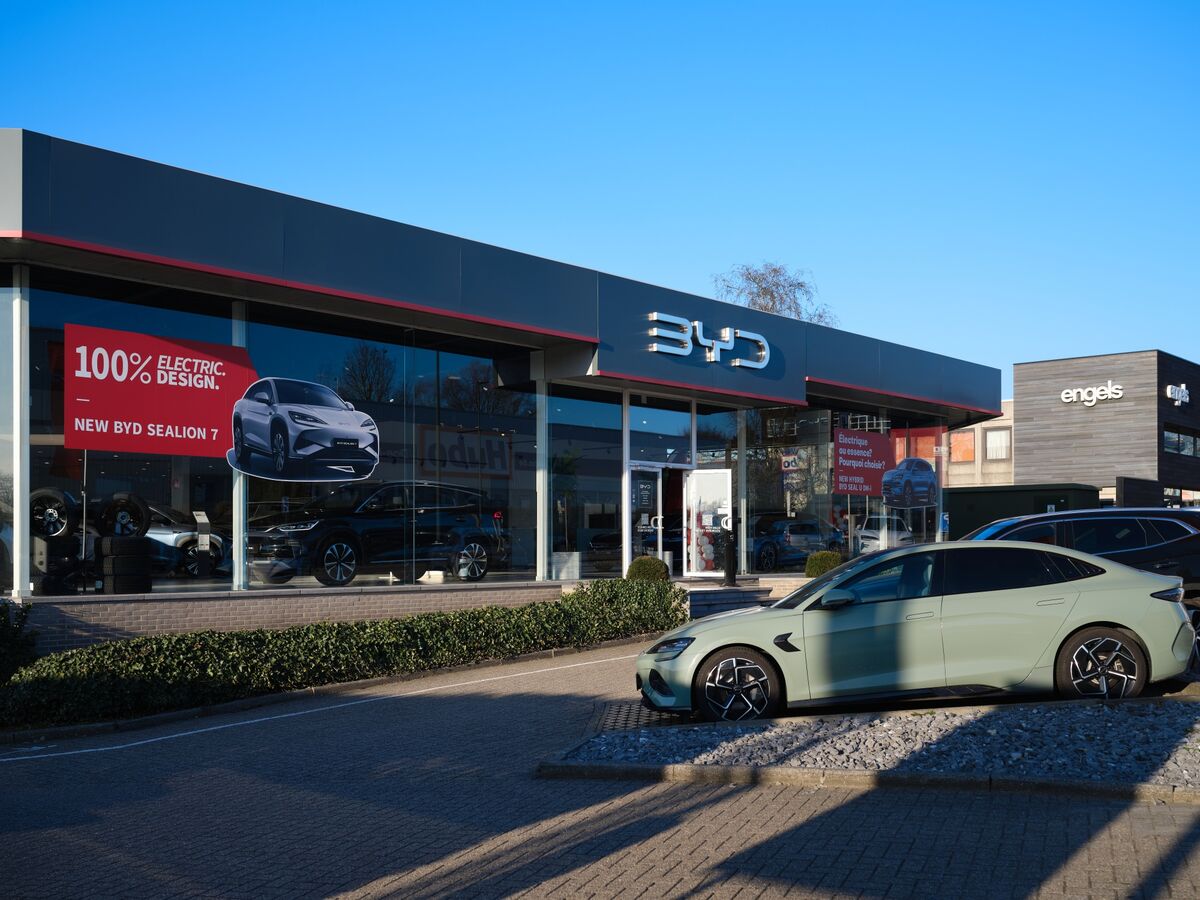
China's State Council, led by Premier Li Qiang, has pledged to address "irrational competition" and regulate market order within its electric vehicle (EV) sector. This move signals Beijing's concern that ongoing price wars are threatening economic growth, indicating potential government intervention to stabilize the industry and its profitability.
China's State Council has officially signaled its intent to intervene in the domestic electric vehicle (EV) market to address what it terms "irrational competition." The announcement, led by Premier Li Qiang, indicates a high-level policy concern that the sector's persistent and aggressive price wars are now threatening broader economic growth. By vowing to "effectively regulate market order," Beijing is suggesting a potential shift from a purely growth-at-all-costs approach to one focused on industry stability and profitability. This development carries significant weight, as reflected by the market impact score of 0.6, and introduces both potential benefits and risks. An end to the price war could restore pricing power and improve margins for manufacturers, but the unspecified nature of the regulation also introduces uncertainty about the future competitive landscape and the degree of state control.
AI-powered research, real-time alerts, and portfolio analytics for institutional investors.
Request DemoOverall Sentiment
mixed
Sentiment Score
0.10
