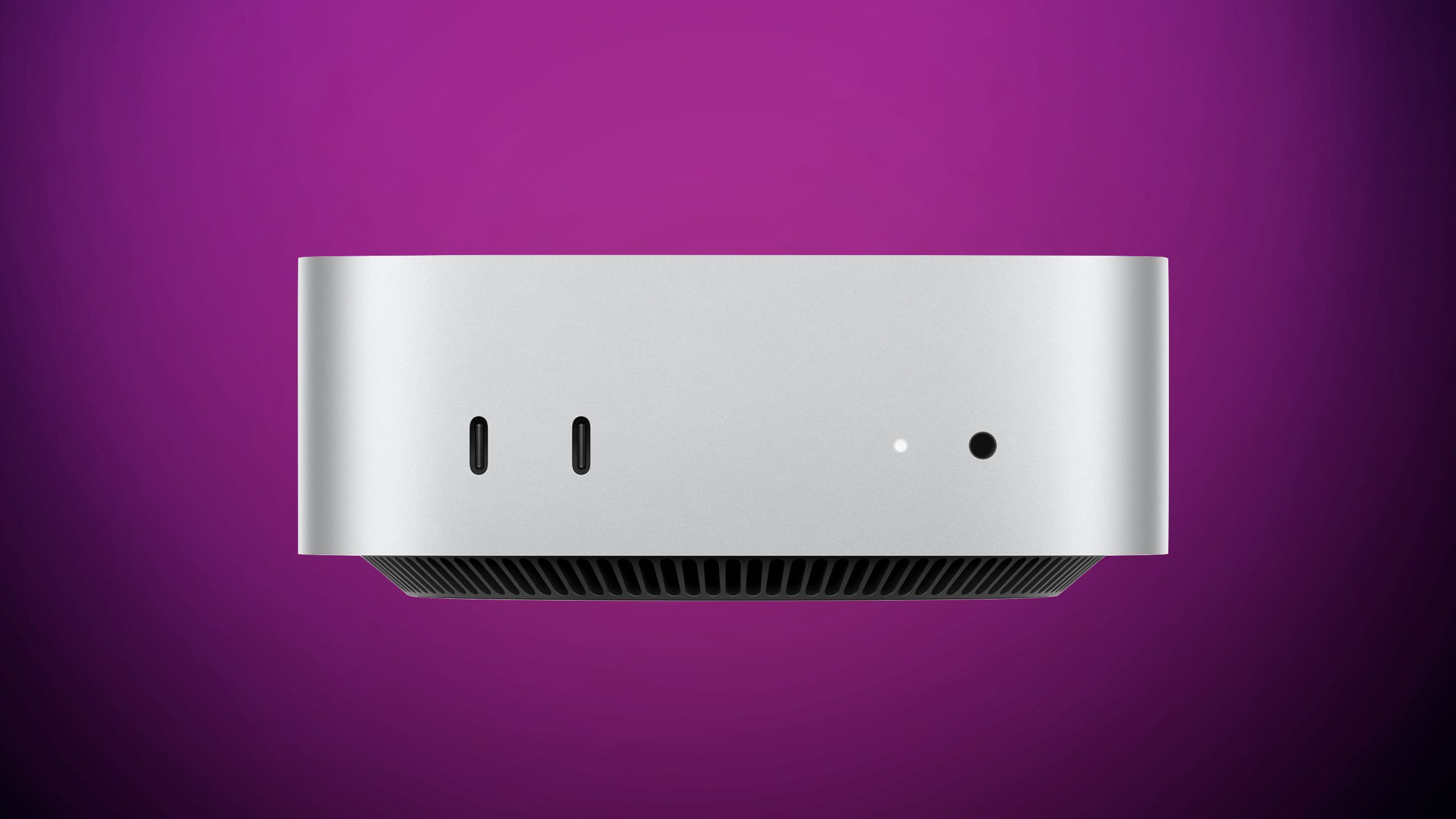
Apple's base M4 Mac mini is listed as "Currently Unavailable," while higher-storage M4 and M4 Pro configurations remain in stock. The shortage may reflect strong demand from buyers using the machine for local AI workloads and broader RAM supply constraints rather than an imminent refresh. Apple is reportedly working on M5 and M5 Pro Mac mini versions for 2026, but the timing may slip later into the year because of memory shortages.
The immediate takeaway is not “Apple refresh coming,” but that Apple’s entry configuration is the most inventory-constrained SKU while higher-margin variants remain available. That pattern usually signals a demand mix shift toward buyers willing to pay up for memory/storage, which is supportive for ASPs and gross margin even if unit volumes soften at the low end. In other words, the shortage is slightly better than it looks for revenue quality, but it also hints that Apple is constrained by component allocation rather than purely consumer demand.
The second-order effect is on the ecosystem around local AI deployment. If the base configuration is tight while memory-heavy variants are available inconsistently, Apple effectively nudges buyers toward pricier builds or alternative platforms, which supports OEM and channel pricing in the short run but creates a risk that AI hobbyist/edge-AI demand migrates to Windows mini-PCs, NVIDIA-based systems, or refurbished x86 boxes over the next 1-2 quarters. That matters because the current local-AI use case is a real incremental demand driver, and any supply friction can cause a temporary substitution rather than deferred demand.
The bigger fundamental issue is that Apple’s exposure to memory availability is becoming a hidden operating constraint, not just a procurement line item. If RAM remains tight for another 2-3 quarters, Apple may either accept lower volume at the low end or protect margin by maintaining higher pricing and mix, which is bullish per unit but could cap broader Mac share gains. The market may be underestimating how persistent this becomes if memory suppliers prioritize AI server demand over consumer PC channels.
Contrarian view: this may be less a product-cycle tell and more a temporary allocation problem that gets resolved without a meaningful refresh-driven catalyst. If so, the stock reaction should stay muted unless there is evidence of broader Mac shortages or downward revision in channel checks; absent that, the best trade is to fade any reflexive ‘imminent refresh’ optimism and focus on whether Apple can sustain premium mix while low-end demand gets rationed.
AI-powered research, real-time alerts, and portfolio analytics for institutional investors.
Request TrialOverall Sentiment
mildly negative
Sentiment Score
-0.10
Ticker Sentiment
