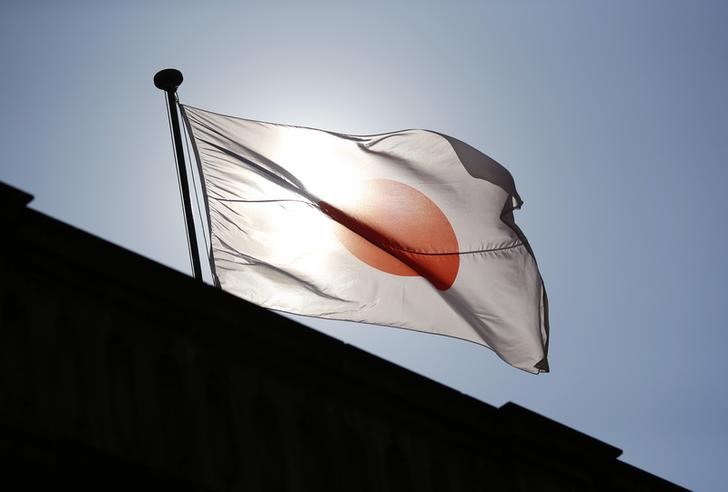
Japanese Prime Minister Shigeru Ishiba stated that Japan and the U.S. have not reached an agreement on trade tariffs, particularly the 25% duties on automobiles and steel, despite ongoing negotiations following the G7 summit. Disagreements persist, impacting Japanese automakers, and increased U.S. tariffs are expected to take effect in early July if a deal is not reached.
Japanese Prime Minister Shigeru Ishiba's recent statements confirm that Japan and the U.S. have not yet reached an agreement on trade tariffs, with negotiations set to continue despite disagreements persisting after the G7 summit meeting with U.S. President Donald Trump. The primary contention revolves around the U.S.'s 25% duties on Japanese automobiles and steel, levies which Ishiba noted have already impacted Japanese firms, particularly within the automotive sector. This ongoing dispute, characterized by a moderately negative sentiment (score: -0.5) and an uncertain tone, carries a moderate potential market impact (score: 0.55). The situation is critical as Japan faces the prospect of increased U.S. tariffs from early July if a resolution is not achieved, coinciding with the U.S. administration's broader "liberation day" tariffs on other nations, underscoring a period of heightened trade tension. Japan's stated goal remains a complete exemption from these U.S. tariffs.
AI-powered research, real-time alerts, and portfolio analytics for institutional investors.
Request DemoOverall Sentiment
moderately negative
Sentiment Score
-0.50
