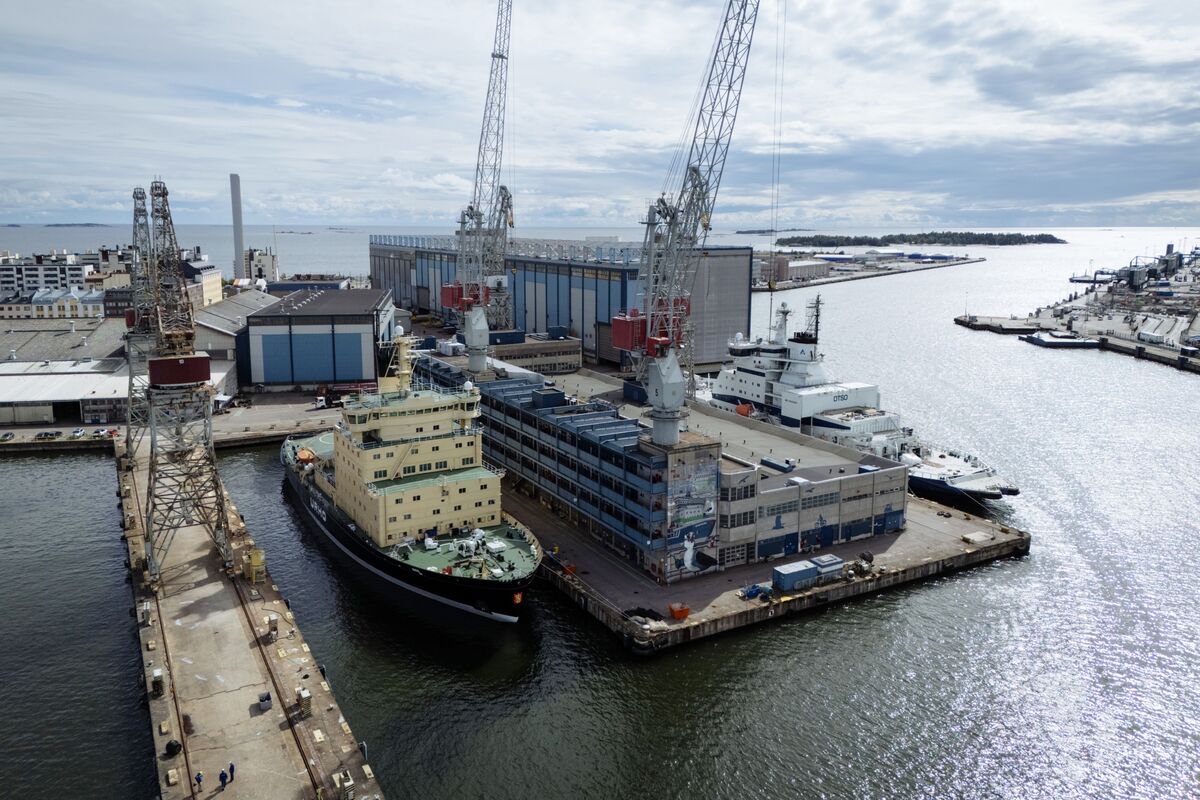
The US and Canada are significantly investing in new icebreaker capabilities, exemplified by the C$3.3 billion CCGS Arpatuuq, which recently began construction and is expected by 2030. This strategic push, marking Canada's first partially-built heavy icebreaker in over 50 years, is driven by intensifying geopolitical competition with Russia and China in the Arctic, underscoring a growing focus on polar dominance and resource access for both research and potential military surveillance.
Heightened geopolitical competition in the Arctic is driving a significant, long-term capital expenditure cycle by Western nations, exemplified by Canada's C$3.3 billion ($2.4 billion) investment in the CCGS Arpatuuq icebreaker. This project, Canada's first heavy icebreaker in over half a century, underscores a strategic pivot to counter Russian and Chinese influence in the increasingly accessible polar region. The vessel's specifications, including dual-use capabilities for both scientific research and potential military surveillance, highlight the multi-faceted nature of this competition. The lengthy construction timeline, with a launch not expected until 2030 and initial fabrication occurring in a specialized Finnish shipyard before completion in Canada, points to a complex and high-value supply chain. The mention of 10,000 tons of steel for the hull alone indicates substantial demand for industrial commodities tied to this emerging defense and infrastructure theme.
AI-powered research, real-time alerts, and portfolio analytics for institutional investors.
Request DemoOverall Sentiment
mildly positive
Sentiment Score
0.25
