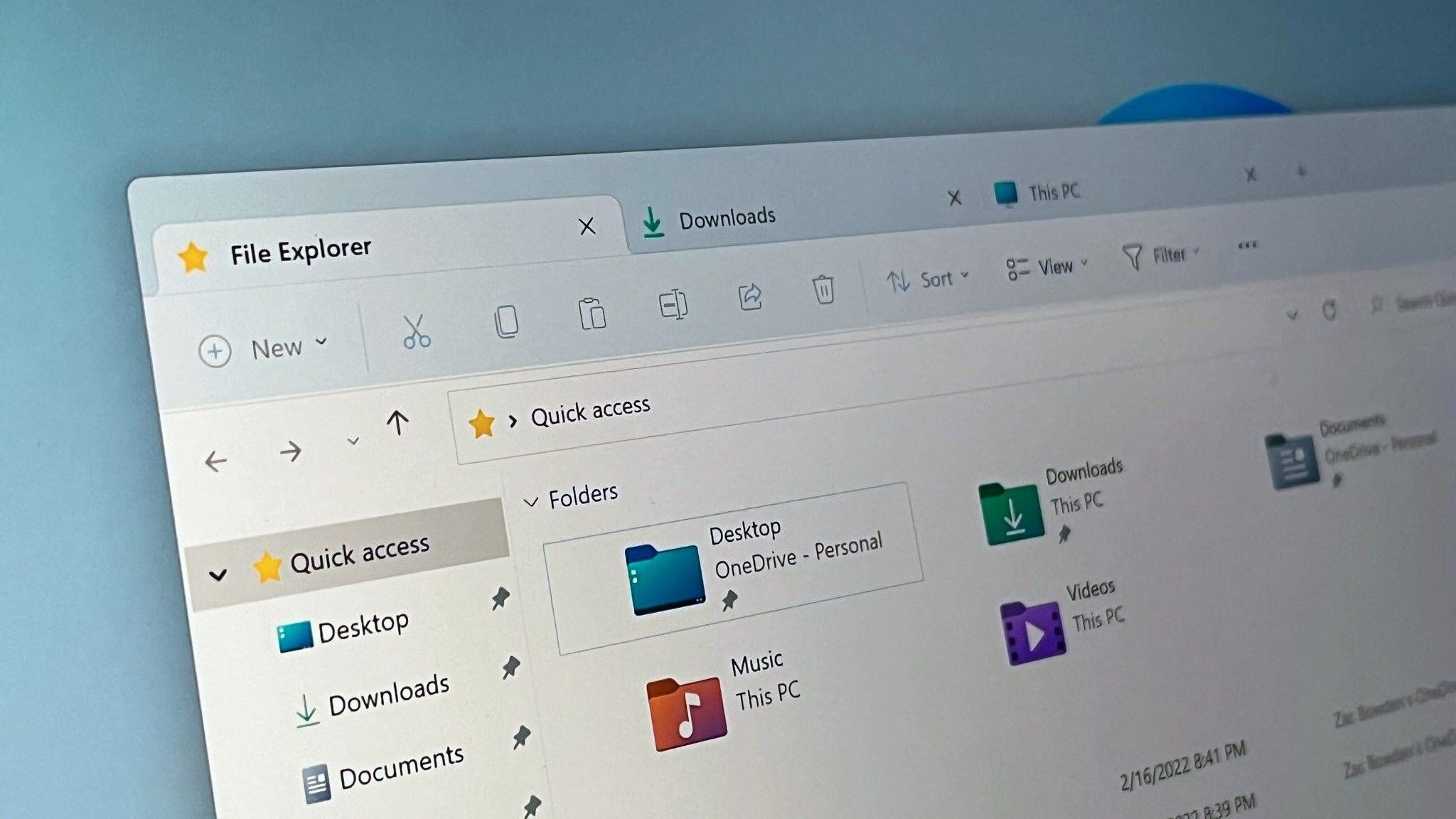
Microsoft is testing a new, currently invisible Copilot button in File Explorer on Windows 11 preview builds that references a "Chat with Copilot" feature and an option to detach the assistant from the window. The change would extend Copilot beyond the existing right-click "Ask Copilot" flow to a more integrated sidebar or pop-up tied to selected files, potentially improving user workflow and AI engagement; however, the feature is non-functional in previews and remains unconfirmed, implying minimal near-term commercial or market impact.
Market structure: Deeper Copilot integration into File Explorer raises Microsoft (MSFT) switching costs and engagement within Windows, favoring MSFT’s Azure/365 monetization over 6–24 months. Direct winners: MSFT (OS + cloud), NVDA (data‑center GPUs supporting model inference/training), and Azure ecosystem partners; losers: independent file-search/assistant apps and potentially Google search ad share if queries move to Copilot. Expect modest near-term revenue impact but accelerating Azure consumption if feature drives even 1–3% incremental monthly active user (MAU) adoption among enterprise Windows installs.
Risk assessment: Tail risks include EU/UK privacy or antitrust action that could force decoupling (low probability, high impact) and operational/model risks (hallucinations, data leaks) that could slow adoption. Immediate effects are sentiment-driven (days–weeks around releases), while meaningful monetization is 3–12 months; hidden dependency: Azure GPU capacity (NVDA exposure) and enterprise security integrations. Catalysts: Microsoft Build/Windows Feature Update (next 30–90 days), MSFT earnings cadence reporting Copilot conversion/ARPU metrics.
Trade implications: Tactical long MSFT exposure to capture ecosystem monetization, paired with NVDA exposure to capture backend demand; consider modest option structures around 1–3 month product catalysts and longer-dated LEAPs for NVDA 9–18 months. Relative-value: long MSFT, short GOOGL (search ad displacement risk) sized to be dollar-neutral; reduce pure ad-revenue cyclicality exposure in portfolios in favor of software/cloud. Rebalance at next two quarterly earnings or if Copilot conversion <1% disclosed.
Contrarian angles: Consensus likely overestimates immediate ad/share displacement—real monetization will be gradual and depends on enterprise uptake and regulatory clearance, so MSFT stock may be underpressed 0–6 months and re-rate 6–24 months if Azure consumption metrics surprise. Historical parallel: Office+Cloud feature rollouts increased subscriptions over multiple quarters rather than instantly. Unintended consequence: aggressive in‑OS AI could drive privacy backlash or migration to macOS/Linux in niche segments, capping upside if regulators intervene.
AI-powered research, real-time alerts, and portfolio analytics for institutional investors.
Request DemoOverall Sentiment
neutral
Sentiment Score
0.12
Ticker Sentiment
