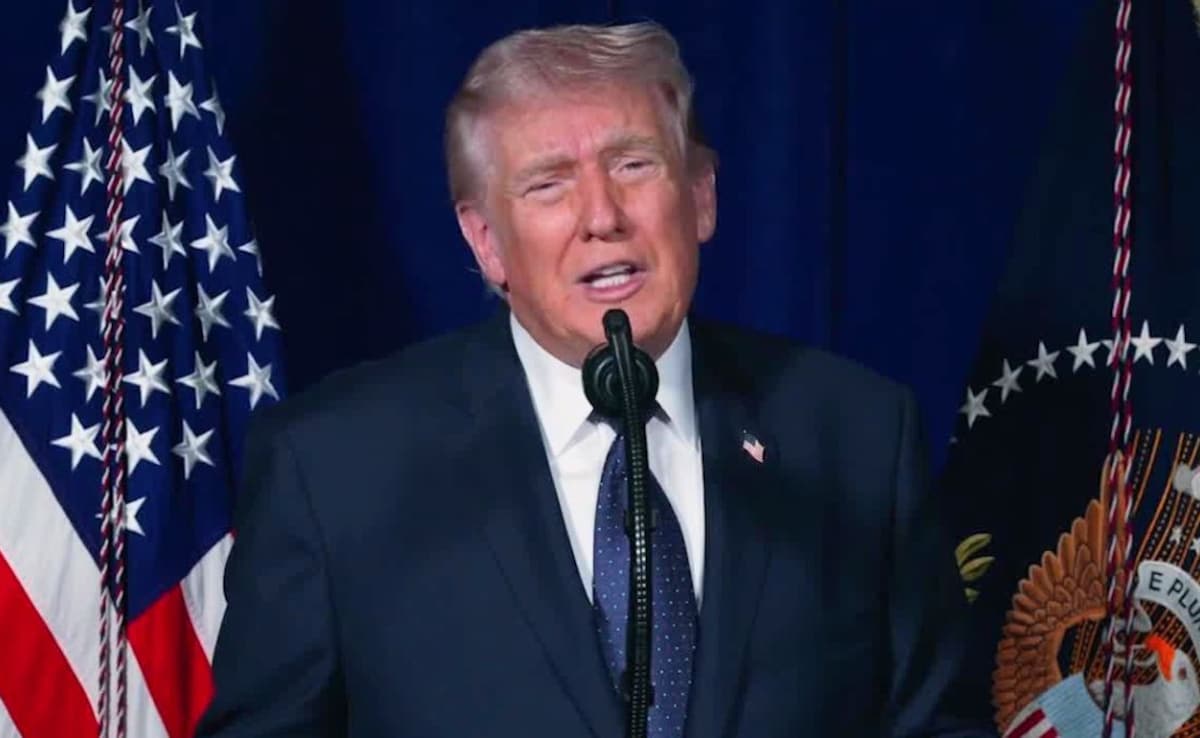
Iranian parliament speaker Mohammad Bagher Ghalibaf warned US President Trump that 'reckless moves' following Netanyahu's commands will drag the US into a 'living HELL' and that 'our whole region is going to burn.' He urged that the 'only real solution is respecting the rights of the Iranian people.' The statement raises the risk of heightened Iran–US–Israel tensions and could put modest upside pressure on regional risk premia and oil/defense-related assets.
This episode reinforces a higher baseline of asymmetric escalation risk across the Gulf and Levant that markets tend to underprice: oil/shipping shock episodes historically produce a sharp 1–4 week repricing in insurance, freight and nearby crude differentials before macro absorption. Expect war-risk insurance for Gulf transits to rise 15–35% within days, driving rerouting costs that add 3–6% to containerized import cost into Europe/Asia for as long as transit threats persist, pressuring margins for just-in-time industrials.
Defense spend and procurement cycles are the 6–24 month payoff window — procurement announcements and expedited draws on existing contracts are the highest-probability catalyst. Major primes have limited incremental capacity near-term, so second-order beneficiaries are tier-2 suppliers of avionics, EW, and propulsion (companies with >50% defense revenue and under-allocated backlog) whose revenue can jump 20–40% before primes report new bookings.
Near-term market dynamics favor safe-haven and convexity plays; a narrow kinetic escalation is the likely path but miscalculation remains a low-probability, high-impact tail that could catapult oil >$100/bbl and materially widen equity volatility. The biggest behavioral error is positioning as if this is purely a headline event — the real P&L lever is supply-chain friction (shipping, insurance, tier-2 defense) that compounds over months even if headline violence de-escalates quickly.
AI-powered research, real-time alerts, and portfolio analytics for institutional investors.
Overall Sentiment
strongly negative
Sentiment Score
-0.60
