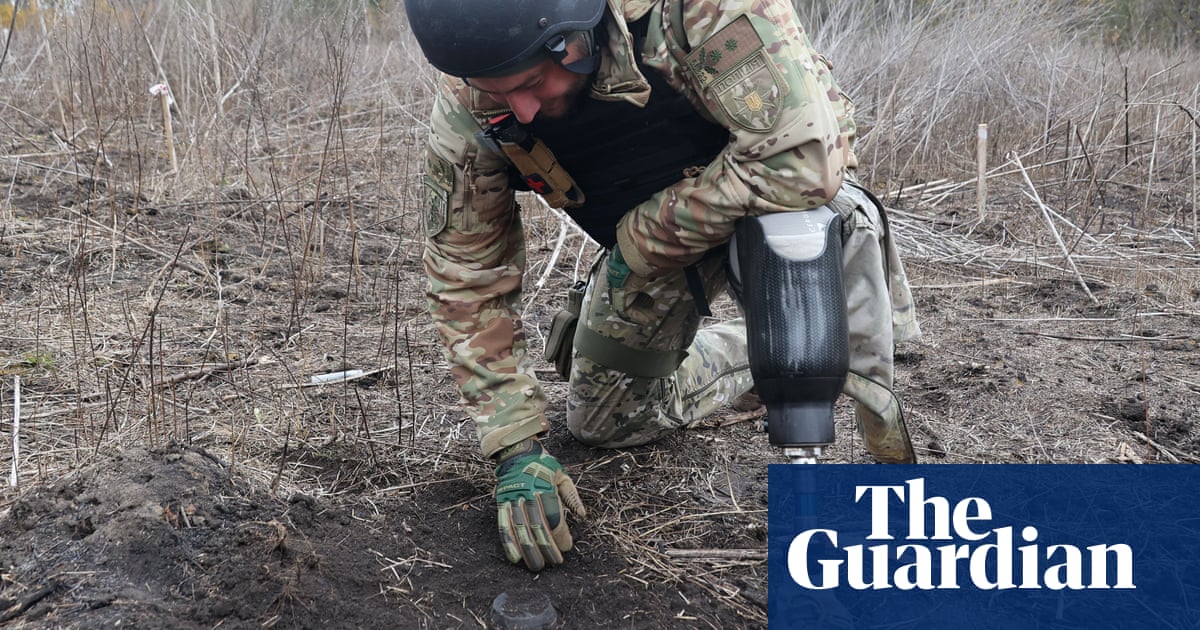
Ukraine is intensifying its defensive posture by withdrawing from the Ottawa Convention banning anti-personnel mines, citing Russian tactics and the instruments' indispensability for defense, a move mirroring other Russia-bordering nations. This strategic shift follows Russia's most massive air attack of the war, involving over 500 aerial weapons overnight, which tested Ukrainian defenses. Amidst these escalating hostilities, the Kremlin reiterated that European sanctions would inflict pain on their own economies, while high-level U.S.-Russia intelligence channels remain open, underscoring the complex and multi-faceted nature of the ongoing conflict.
A significant strategic escalation is underway in the Ukraine conflict, marked by President Zelenskyy's decree to withdraw from the Ottawa Convention banning anti-personnel mines. This move, framed as a defensive necessity for which there is no substitute, aligns Ukraine with other Russian-bordering states like Finland and Poland, signaling a hardening of defensive postures across the region. The decision is contextualized by Russia's most intense air attack of the war, involving over 500 aerial weapons, which, despite a high interception rate by Ukrainian forces, resulted in civilian and military casualties, including an F-16 pilot. This military intensification is paralleled by escalating economic rhetoric, with the Kremlin warning that proposed EU sanctions will cause a "painful recoil" for European economies, asserting Russia's resilience. In a contrasting development, high-level intelligence channels between the U.S. and Russia remain active, as confirmed by a recent call between their respective spy chiefs, suggesting a back-channel effort to manage the conflict's boundaries even as hostilities on the ground and economic warfare intensify.
AI-powered research, real-time alerts, and portfolio analytics for institutional investors.
Overall Sentiment
moderately negative
Sentiment Score
-0.50
