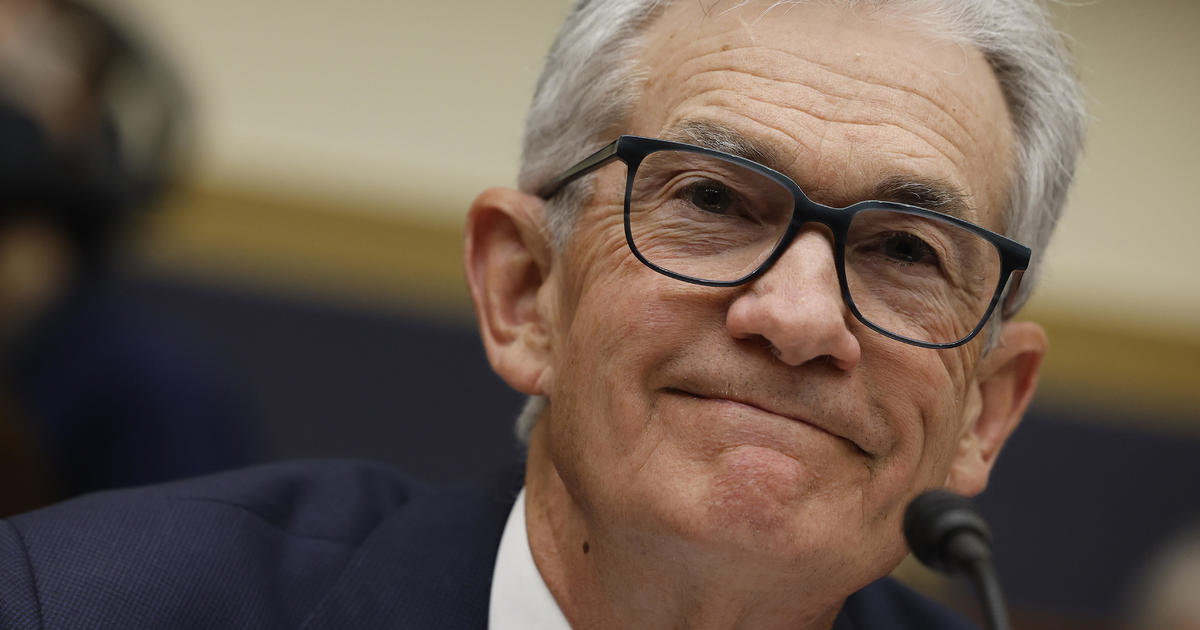
The Federal Reserve is set to announce its final 2025 policy decision on Dec. 10, with markets assigning an 88% probability of a 25 basis-point cut that would take the federal funds rate to 3.75%–4.00%. Key inputs — November hiring and the latest inflation read — were delayed by the government shutdown, leaving policymakers to weigh a softening labor market and tariff-driven inflation amid public and political pressure. The FOMC appears split, but a cut is widely expected and could ease borrowing costs for households while raising the risk of rekindling inflation; strategists note AI-driven layoffs and rising job cuts as critical to the timing and scale of further easing in 2026.
Market structure: A December 25bp cut (market-implied 88% per CME) structurally benefits rate-sensitive assets — REITs, utilities, long-duration growth and consumer credit-exposed borrowers — by lowering short-term funding and HELOC/credit-card APRs; banks and regional lenders (net interest margin exposure) are the direct losers as NIM compresses if the Fed cuts and the yield curve flattens. Cross-asset: expect front-end Treasuries to rally (2s, 3s) and a potential curve steepening vs. long-end depending on inflation signals, a softer USD and higher gold and EM FX/credit demand in the first 1–3 months.
Risk assessment: Tail risks include (A) no-cut surprise (~12% implied residual risk) that would reprice front yields +25–50bps and crater rate-sensitive names, (B) tariff-driven re-acceleration of CPI forcing a hawkish pivot, and (C) deeper AI-driven layoffs triggering larger cuts in 2026. Timeline: immediate (announcement-day liquidity and vols), short-term (mid-Dec CPI/NFP releases — primary catalyst), long-term (2026 cuts and labor-market structural change). Hidden dependency: delayed data creates asymmetric risk when mid-December prints arrive.
Trade implications: Direct plays — overweight VNQ/XLU and buy 3–7yr Treasuries (IEI) into the print; reduce/short regional bank exposure (KRE, BAC) size-constrained. Use pair trades: long VNQ (2–3%) vs short KRE (2%) for 3-month horizon. Options: consider 3-month VNQ call spreads and KRE/KBW bank put spreads to define max loss. Entry: within 24–72 hours; exit/trims at +8–12% on equities or after mid-Dec data; stop-loss -8%.
Contrarian angles: Consensus (cut priced) may underprice a no-cut or sticky tariff inflation; long-duration Treasuries may be overbought ahead of mid-Dec CPI/NFP — avoid >5% duration exposure without hedges. Historical parallel: 2019 mid-cycle cuts preceded growth slowdown; if AI layoffs accelerate, larger easing (steeper rally in duration) is possible — add asymmetric hedges (short-dated puts on bank ETFs, long-duration optionality) to capture either outcome.
AI-powered research, real-time alerts, and portfolio analytics for institutional investors.
Request DemoOverall Sentiment
neutral
Sentiment Score
0.12
Ticker Sentiment
