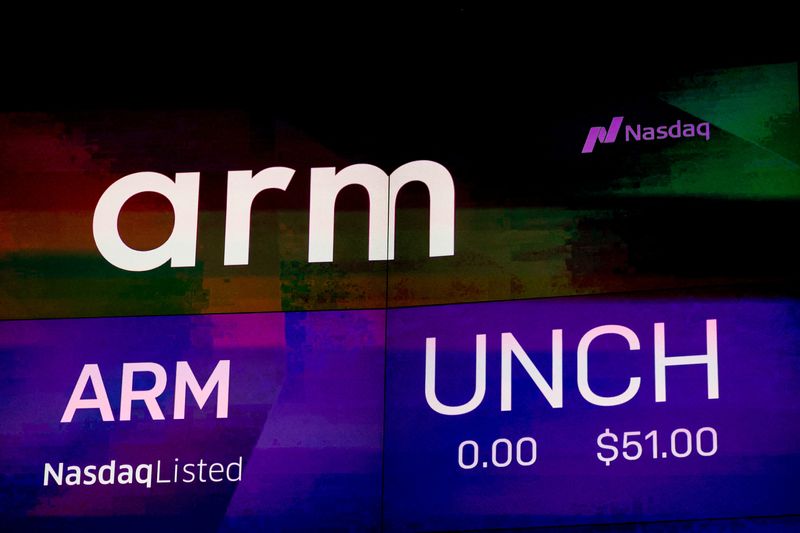
BofA reinstated Microsoft to Buy with a $500 price target (≈40% upside) and forecasts capex rising from $44B in 2024 to ~$143B by 2028 while targeting >46% operating margins; BofA also raised Dell to $172 (from $155) and Sandisk to $900 (from $850), lifting Dell AI-server revenue to $15B for Q1 (from $13B) and full-year to $60B (from $50B). JPMorgan downgraded SAP to Neutral and cut its target to €175 (from €260) citing decelerating cloud backlog, while Bernstein cut Qualcomm to Market Perform with a $140 target due to rising DRAM/NAND costs and weak smartphone demand (potential double-digit unit declines). Needham upgraded Arm to Buy with a $200 target, citing successful strategic moves into AI CPUs and data-center silicon.
The AI re-rating is entering a capital-intensity phase where winners will not only be defined by software IP but by sustained control of compute supply chains and long-term margin capture. Think of two distinct economic rents: (1) companies that own or control hyperscale procurement, integration and firmware (server OEMs, NAND suppliers), and (2) companies that extract royalty/ASP uplifts as CPU/accelerator workloads diversify. The gap between these rents will widen over 12–36 months as customers sign multi-year hardware agreements to lock capacity.
This dynamic produces clear second-order winners and losers across the stack. Memory and storage vendors with constrained supply can see outsized near-term pricing power but are exposed to cyclical destocking if enterprise pipeline softness hits in H2; conversely, OEMs that execute VR-rack rollouts at scale will convert that pricing into recurring services only if they avoid component shortages. Semiconductor vendors focused on legacy mobile end-markets face asymmetric downside from demand troughs and platform transitions that can remove 30–50% of near-term revenues in a single product-cycle.
Policy and competitive tail risks are concentrated and time-bound: trade restrictions, export licensing on accelerators, or a sudden shift by a hyperscaler to in-house silicon could flip winners into losers inside 6–18 months. The market is currently extrapolating steady linear growth for AI workloads; the more realistic path is lumpy capex waves tied to product refresh and procurement cadence—tradeable events with discrete catalysts (earnings, supply-chain checks, hyperscaler guidance).
AI-powered research, real-time alerts, and portfolio analytics for institutional investors.
Request DemoOverall Sentiment
mildly positive
Sentiment Score
0.15
Ticker Sentiment
