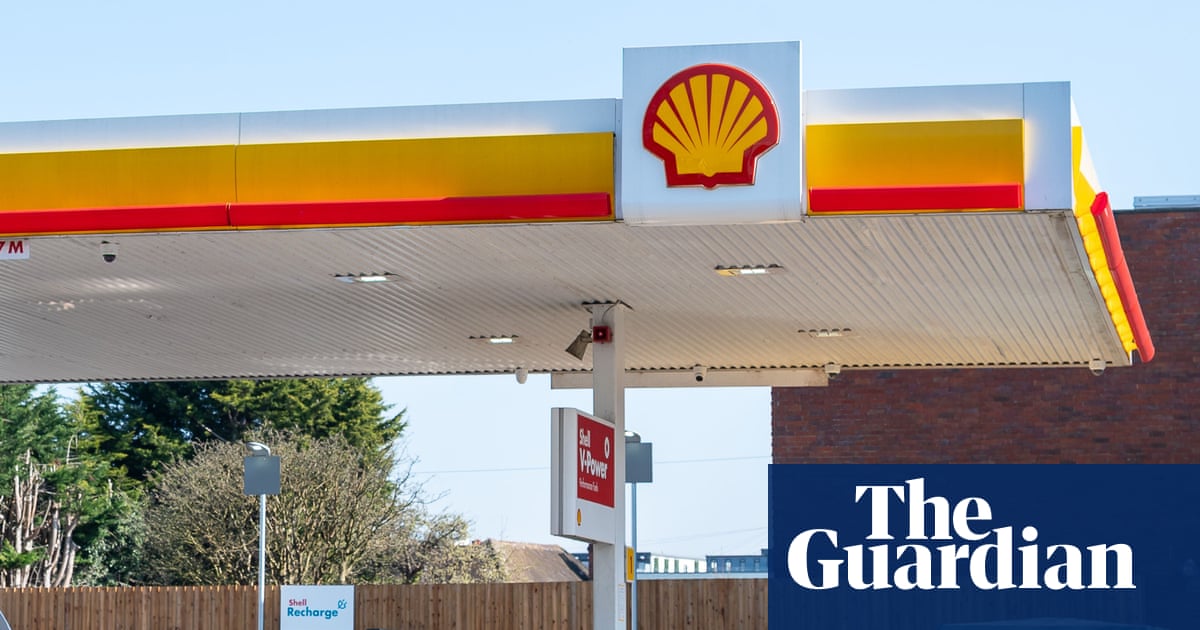
Shell reported first-quarter profits of $6.9bn, beating the $6.4bn analyst forecast and rising 24% from $5.6bn a year earlier. The outperformance was driven by surging oil and gas prices amid Middle East disruption, with crude briefly hitting $119 a barrel and Brent around $101. The result is likely to intensify calls for windfall taxes as climate campaigners argue fossil fuel majors are benefiting from the crisis.
The market is still pricing this as a simple “higher oil = higher integrated earnings” story, but the more interesting angle is dispersion inside the energy complex. The real beneficiary is not the producer with the best reserve base, but the one with the largest optionality in trading, refining, and marketing when prompt spreads and freight insurance widen; that argues for continued relative strength in the majors with the strongest trading franchises versus pure upstream names that are more exposed to any rollover in Brent.
The second-order loser is demand-sensitive sectors that have not yet re-rated their input-cost assumptions. Airlines, chemicals, and parts of European industrials face a lagged margin squeeze if crude stays near $100 for several weeks, because hedging only delays the pass-through rather than eliminating it. If geopolitical risk eases, the unwind could be sharper than the move up: trading profits are highly path-dependent, so a quick normalization in time spreads and volatility would compress near-term earnings momentum even if spot oil remains elevated.
The political risk is no longer just headline noise; it is a real earnings overhang. Elevated profits alongside visible consumer pain keeps windfall-tax rhetoric live in the UK and Europe, and that matters because the market often underestimates how quickly policy can target cash-generative sectors when prices are set at the pump. The contrarian read is that the best risk/reward may be in expressing a tactical long energy-vs-market trade, but not in chasing the highest-beta energy names that have already re-rated; the cleaner setup is in names that can monetize volatility while being less exposed to a mean reversion in crude.
For timing, the next 2-6 weeks matter more than the next quarter: if Brent holds above $95 and volatility stays elevated, revisions will continue; if Brent slips back into the $80s, the trading uplift likely disappears faster than sell-side models expect. That creates a classic “good quarter, fragile forward guide” setup where consensus may be extrapolating one-off geopolitical earnings into a normalized run-rate that is too high.
AI-powered research, real-time alerts, and portfolio analytics for institutional investors.
Request DemoOverall Sentiment
mildly positive
Sentiment Score
0.35
Ticker Sentiment
