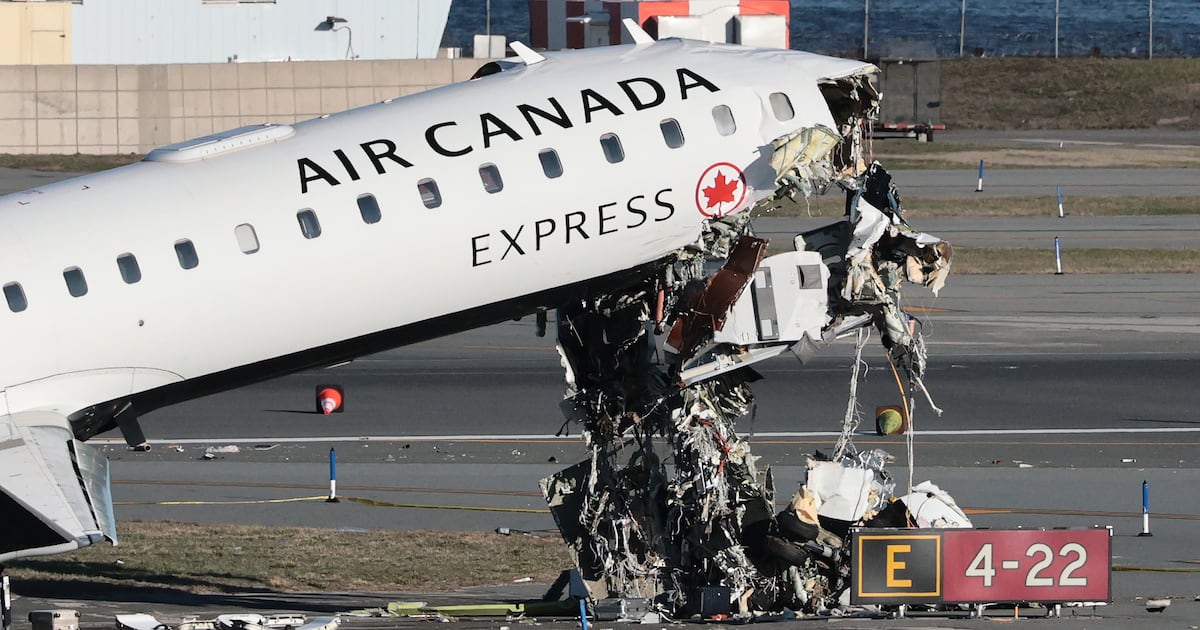
A late-night March 22 collision at LaGuardia killed two pilots and is the airport's first fatal accident in over 30 years; the NTSB is investigating. Investigators are probing whether an air traffic controller stepped away from the console to answer a dedicated 'crash phone' and whether overnight controller roles had been combined contrary to procedure. Airport ground radar failed to detect the fire truck because it lacked a transponder; no conclusions have been reached.
This incident creates a concentrated, near-term liability and sentiment shock for the carrier that will play out across three distinct windows: immediate (days–weeks) as markets re-price legal and reputational risk, medium (1–6 months) as the NTSB/transport regulator issues factual and probable-cause findings, and longer (6–24 months) as regulators and airports decide capital and operational fixes. Expect a 10–25% idiosyncratic move in the carrier’s equity if investigators point to procedural failures or systemic ATC staffing/design issues; that range narrows materially if blame falls on non-company actors (tower layout, ground-radar limitations).
Regulatory and capex responses are the primary second-order economic channel. Airports and ground-vehicle operators will accelerate transponderization, ground-surveillance, and remote-monitoring investments — a multi-hundred-million-dollar addressable market across major hubs over 12–36 months, favoring avionics and defense contractors with runway-incursion/ADS-B/GPS retrofit kits and integration services. Insurers and airport concessionaires will also renegotiate exposures and operational SLAs, raising unit costs for carriers with concentrated operations at constrained airports.
Competitively, smaller carriers or those with less LGA-like exposure will be relatively insulated; lessors and manufacturers of aircraft (where the event is not airframe/system related) are unlikely to see material demand impact. The real optionality sits with suppliers of ground-surveillance and console automation — incremental procurement cycles can be large and accelerated if regulators mandate hardware or procedural changes.
Key reversals: if regulators conclude the issue was limited human error with no systemic control deficiency, capex acceleration will be muted and the carrier’s share price should recover quickly; conversely, a finding that combines staffing, tower-layout, and surveillance shortfalls would trigger multi-year spend and persistent negative sentiment. Watch the preliminary factual report (typically 4–12 weeks) for directionality; that report is the most-likely near-term catalyst to separate headline noise from durable regulatory change.
AI-powered research, real-time alerts, and portfolio analytics for institutional investors.
Request DemoOverall Sentiment
strongly negative
Sentiment Score
-0.75
Ticker Sentiment
