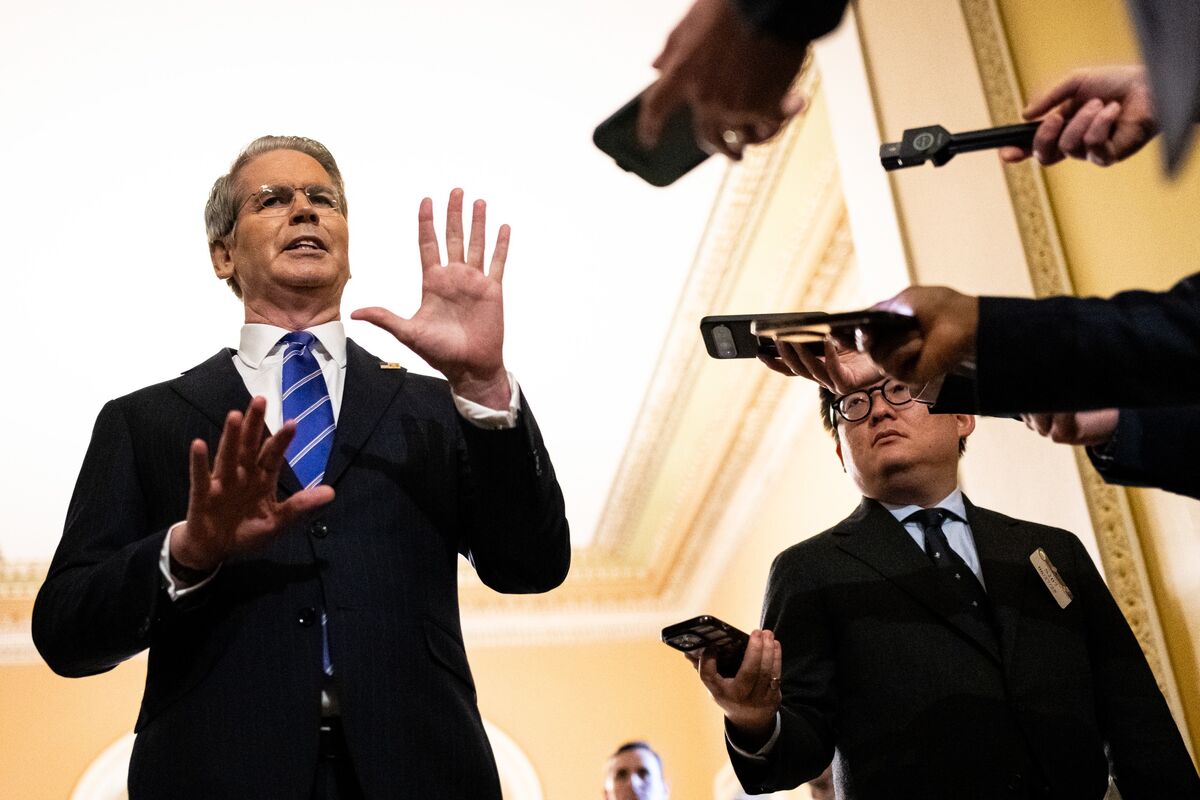
Treasury Secretary Scott Bessent has dismissed the inclusion of Chinese investments in the US as part of any trade pact, citing concerns that such funds would target critical industries the US seeks to reshore away from China. This position significantly narrows the potential avenues for resolving the ongoing US-China trade dispute, diverging from the investment pledges made by other trade partners like Japan and the EU.
Treasury Secretary Scott Bessent's dismissal of Chinese investment pledges as a viable component of any future trade pact signals a significant hardening of US policy, prioritizing national security and strategic industry protection over traditional deal-making mechanisms. This position, which explicitly aims to prevent Chinese capital from flowing into critical industries the US is attempting to reshore, marks a stark departure from the approach taken with allies like Japan, South Korea, and the EU. By removing a multi-billion dollar negotiating tool from the table, the statement substantially narrows the potential avenues for resolving the ongoing US-China trade dispute. This reinforces the themes of geopolitical competition and supply chain decoupling, suggesting that long-term strategic rivalry is overriding near-term economic diplomacy and contributing to an environment of sustained uncertainty in bilateral relations.
AI-powered research, real-time alerts, and portfolio analytics for institutional investors.
Request DemoOverall Sentiment
moderately negative
Sentiment Score
-0.50
