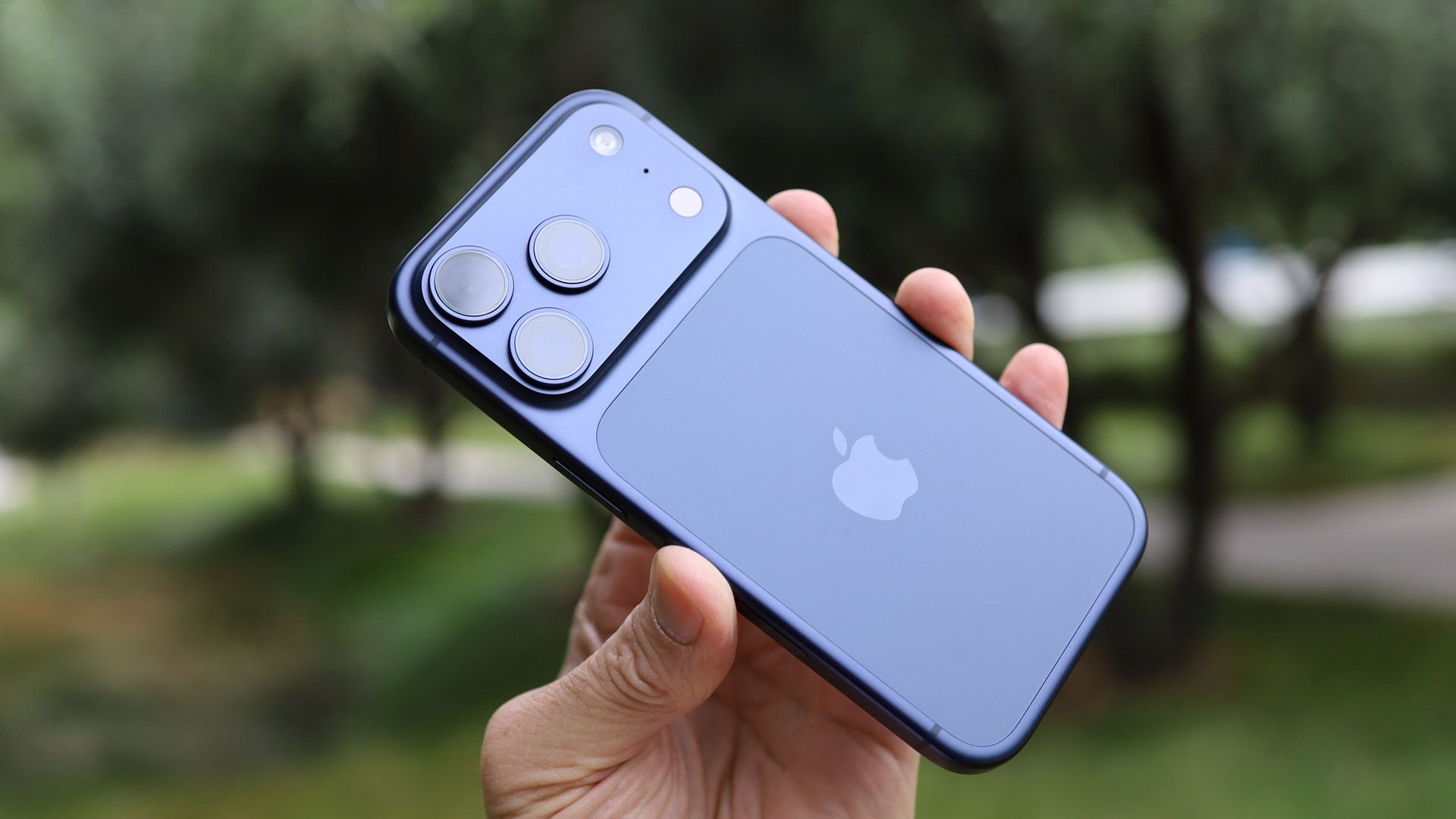
Apple’s foldable iPhone, potentially named iPhone Ultra, may be delayed until 2027 due to hinge durability issues that reportedly fail quality-control standards. The article says Apple has largely solved the visible crease problem, which is a key product hurdle, but the launch timing remains uncertain. The news is notable for Apple product watchers, though likely not enough on its own to move the stock materially.
The market takeaway is not just that the foldable iPhone may slip; it’s that Apple is moving from a launch-timing story to a quality-control gating story. That matters because Apple historically protects brand durability over schedule, so a hinge issue is more likely to translate into unit deferral than project cancellation. Near term, this pushes any foldable-driven revenue/margin uplift from 2H26 into 2027, reducing the probability of a meaningful FY27 iPhone mix uplift being priced too early.
The bigger second-order effect is on the foldable supply chain: the bottleneck appears to be mechanical reliability rather than display science, which favors the component vendors able to solve wear/fatigue at scale. If Apple has solved the crease problem but not the hinge, the value accrues disproportionately to precision manufacturing, materials, and assembly partners versus generic OLED exposure. Competitors benefit tactically as well, since Samsung and Huawei can continue to frame Apple as late to category adoption while still using Apple’s validation to enlarge the premium-foldable TAM once it arrives.
For Apple equity, the setup is mildly negative but not thesis-changing unless delays extend beyond the next two design cycles. The risk is less about lost revenue this year and more about continued deflation in investor expectations for an eventual halo product that could have supported premium ASPs and upgrade cadence. A clean September tease without a ship date would likely be read as a positive if it proves progress on reliability, but a full no-show would keep the stock anchored to the standard iPhone replacement cycle.
The contrarian view is that a delay may actually improve the economics of the eventual launch by preserving Apple’s premium positioning and reducing launch-day failure risk. If the hinge issue is real, the downside of shipping too early is a product-cycle embarrassment that could suppress adoption for years; if they fix it, the delayed launch could still command a scarcity premium. In other words, this is more a timing de-risk than a structural cancellation risk.
AI-powered research, real-time alerts, and portfolio analytics for institutional investors.
Request DemoOverall Sentiment
mildly negative
Sentiment Score
-0.20
Ticker Sentiment
