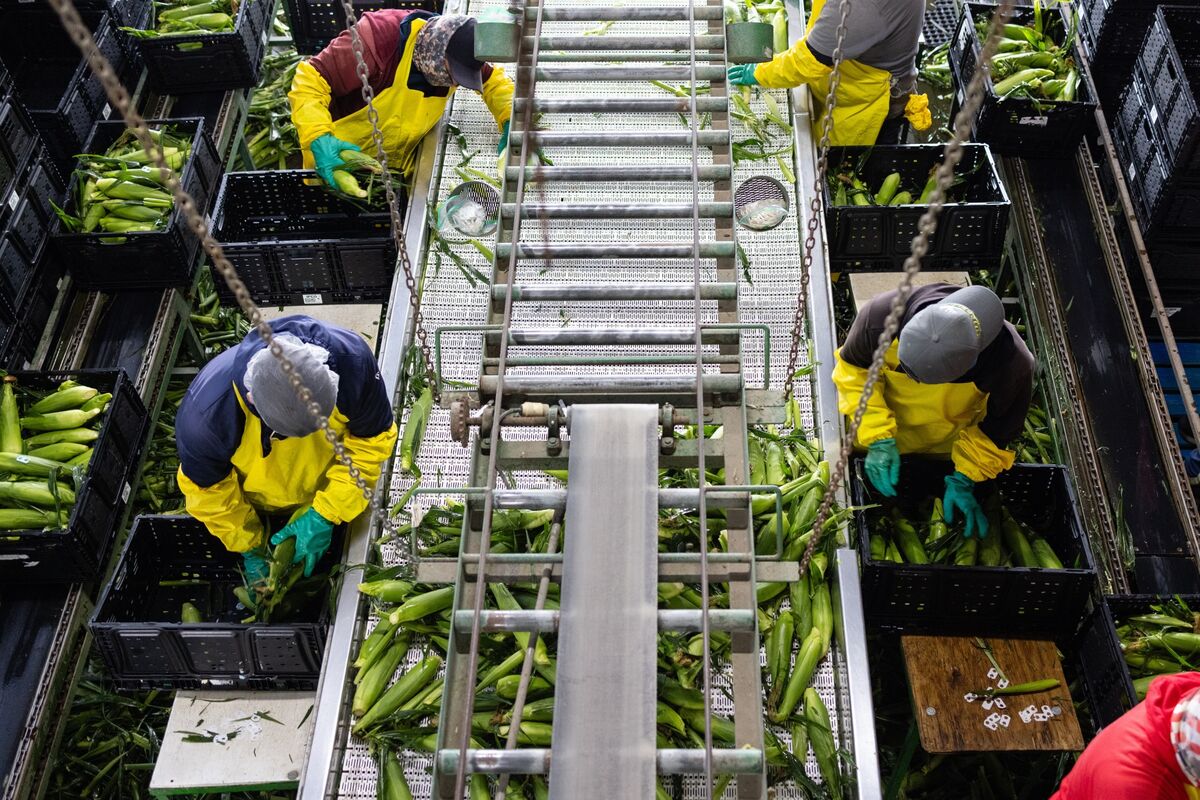
The US labor market is showing signs of wavering following a first-half economic slowdown, primarily attributed to heightened uncertainty stemming from recent trade policy actions. President Trump's new tariffs have increased the average US rate on imported goods, underscoring an ongoing effort to reshape international commerce and bolster domestic manufacturing. This weakening labor data could serve as a key indicator for Federal Reserve policy considerations amidst persistent global trade tensions.
The US labor market is exhibiting signs of instability, a development directly linked to an economic slowdown in the first half of the year. This wavering performance is attributed to heightened uncertainty stemming from US trade policy, reflecting the article's moderately negative sentiment and uncertain tone. The implementation of new tariffs has increased the average duty on imported goods as part of a stated effort to reshape international commerce and bolster American manufacturing. With baseline 10% tariffs from April remaining in place for many partners, this represents an escalation of trade tensions. These weakening labor market indicators are a critical signal for the Federal Reserve, likely to heavily influence its upcoming monetary policy decisions as it assesses the impact of trade-related headwinds on the broader economy.
AI-powered research, real-time alerts, and portfolio analytics for institutional investors.
Request DemoOverall Sentiment
moderately negative
Sentiment Score
-0.50
