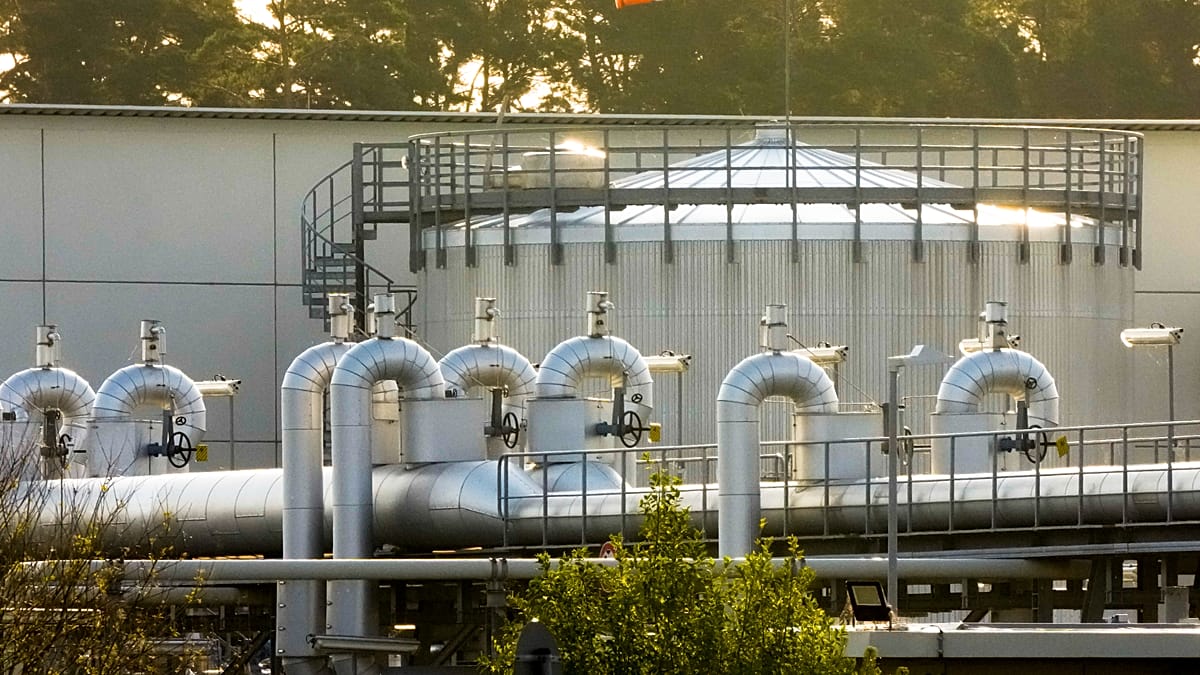
The European Commission has listed 235 cross-border energy projects eligible for privileged EU funding, including at least 100 hydrogen infrastructure projects with total project investment above €80 billion; critics say over 90% were submitted by gas transmission operators and risk propping up fossil fuels by repurposing gas pipelines as “hydrogen-ready.” Regulators and industry veterans warn plans are driven by aspirations rather than market demand, raising risks of costly stranded or misused assets and higher transition costs for taxpayers, while PCI/PMI status grants expedited permitting and access to public finance; EU lawmakers have two months to finalise selections amid continued targets for 10 Mt domestic hydrogen production and 40 GW electrolysers by 2030.
Market Structure: The Commission’s PCI/PMI inclusion creates short-term winners among incumbent gas TSO/utilities that gain preferential financing and expedited permits (Snam SRG.MI, Enagás ENG.MC, Engie ENGI.PA, Shell SHEL.L). However, competitive dynamics favour asset owners able to monetize repurposing claims rather than green hydrogen producers; electrolyser and project developers (ITM Power ITM.L, Nel NEL.OL, Plug Power PLUG) face demand timing risk. Expect a two-tier market: transmission valuations buoyed near-term by subsidy access, while merchant hydrogen offtakers remain undercapitalized, compressing merchant returns and increasing basis risk between gas and hydrogen hubs.
Risk Assessment: Tail risks include a regulatory flip (EU Parliament/Governments rejecting pipeline eligibility within the 60-day window), litigation over state aid, or a supply shortfall of renewable electricity that forces pipelines to carry fossil hydrogen — each could cause >30% valuation drops in exposed infrastructure names over 6–24 months. Immediate volatility (days–weeks) around the two-month selection vote and subsequent permit awards; medium-term (6–18 months) execution risk on retrofits and capex overruns; long-term (3–10 years) demand shortfall could strand assets. Hidden dependency: hydrogen demand is tightly coupled to electrolyser build-out (40GW by 2030 target) and renewable power build — if either misses targets by >25% the pipeline IRR collapses.
Trade Implications: Tactical ideas: short differential between gas TSOs and electrolyser names — short 3–5% position in SRG.MI/ENG.MC and long 3–5% in ITM.L/NEL.OL for 6–18 months to front-run re-rating risk. Options: buy 9–15 month puts on SRG.MI (10–20% OTM) as asymmetric hedge; consider long-dated (12–24 month) calls on LIN/APD for hydrogen carriers and industrial gas exposure. Rotate capital from pure gas distributors into diversified utilities and industrial gas suppliers; increase credit protection (buy 1–2y CDS or long-dated corporate bond puts) on mid-cap TSOs if capex guidance rises >20%.
Contrarian Angles: Consensus focuses on stranded-asset risk but underestimates incumbent ability to capture subsidies and extend cashflows — pipeline owners may sustain earnings through regulated returns and EU grants, keeping spreads tight. The market may underprice optionality: if regional electrolyser clusters scale faster (e.g., Netherlands/Germany industrial hubs) select TSOs could re-rate positively. Historical parallel: renewables-era grid upgrades where transmission owners earned regulated returns despite politicised debates; look for mispricings where capex guidance implies >15% ROE gap vs regulated benchmarks.
AI-powered research, real-time alerts, and portfolio analytics for institutional investors.
Request DemoOverall Sentiment
moderately negative
Sentiment Score
-0.50
