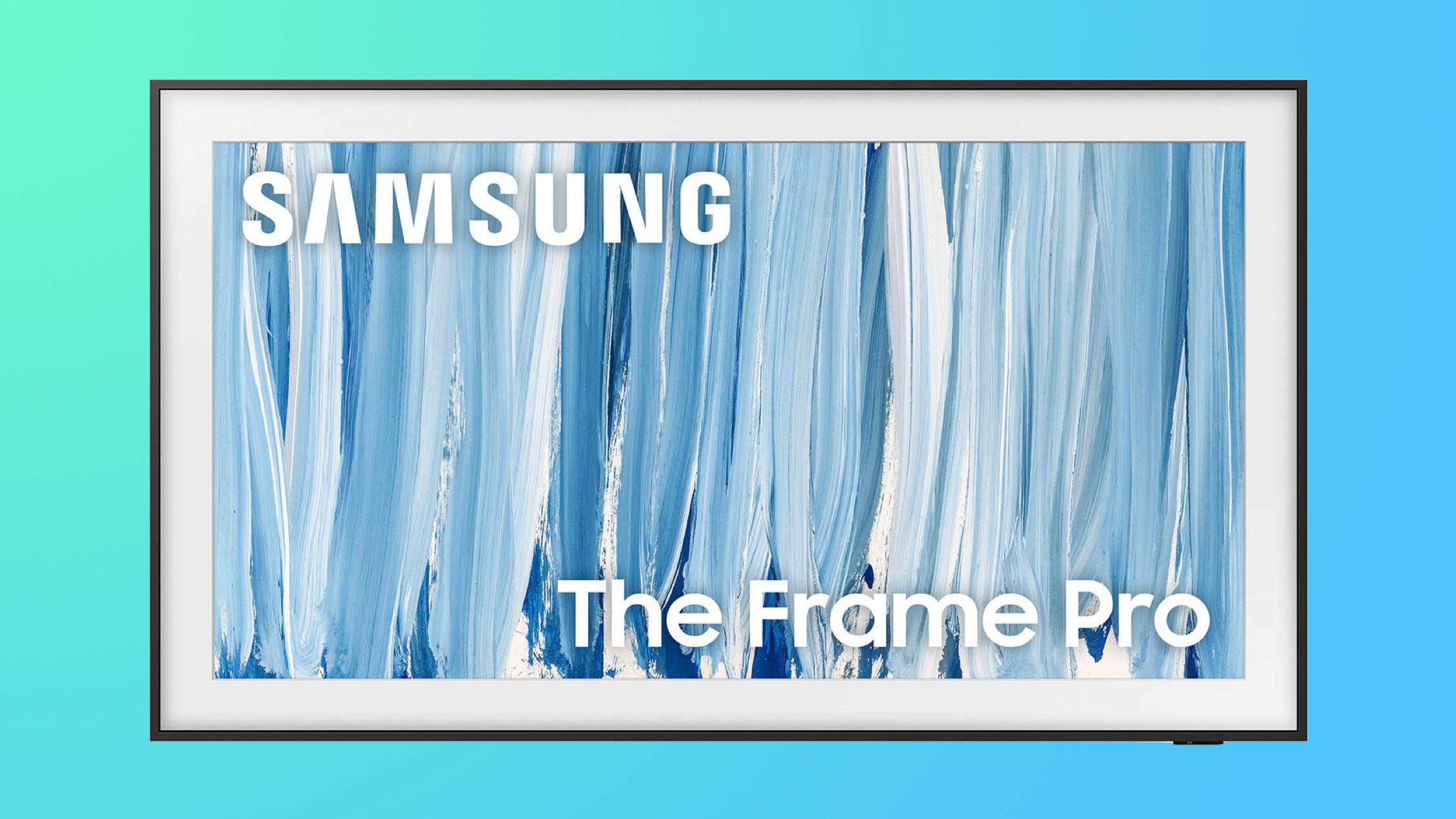
Samsung launched the 2026 The Frame and The Frame Pro TVs and is promoting a "Picture Perfect Bundle" with over $800 in savings (white bezel, ultra-slim soundbar, professional installation, 1-year Art Store, 2-year Samsung Care+). The Frame Pro is available now in all sizes (base models launch later) and Samsung is discounting multiple prior-generation TVs and monitors—examples include 55" QLED QEF1 at $379.99 (was $599.99), 75" The Frame Pro at $2,499.99 (was $3,199.99), and monitors with up to $1,000 off plus a free $70 Resident Evil Requiem code. Near-term market impact is limited; the promotion may modestly boost retail sales and attach-rate revenue but is unlikely to move Samsung's stock materially.
Samsung’s push on premium, services-backed TV SKUs is a play to convert a one-time hardware purchase into a multi-year customer relationship; that changes unit economics by shifting value from initial ASP to lifetime service margin, which can sustainably boost ROIC if attachment rates for Art/Service bundles exceed low double-digits within 12–24 months. The tactical use of deep price promotions on legacy SKUs signals active channel inventory management — expect a 0–3 month window of elevated sell-through that will pressure near-term OEM/retailer ASPs even as it primes replacements for the next gen.
On the supply side, incremental demand will skew toward advanced glass/coatings, higher-bandwidth TCON/SoC and panel producers capable of high-refresh OLED/mini-LED production; that favours capital-equipment vendors and a discrete set of panel manufacturers over commoditized LCD suppliers, but the effect is lumpy and concentrated around factory cadence (orders materialize on a 3–12 month cadence). Gaming-focused monitor pushes and bundling with game software create modest upside for GPU vendors and PC-channel builders — a short-term firmware/hardware sync (drivers, DLG support) is a gating factor and could blunt conversion if not seamless.
Key downside catalysts: macro discretionary pullback, aggressive price-matching from competitors compressing margin across the cohort, and potential channel stuffing that produces a 6–12 month inventory hangover. Watch two time horizons: 0–3 months for retail inventory/ASP noise and 3–12 months for component capex signals from panel makers; recurring revenue realization is a 12–36 month readout and the most important determinant of whether this is a structural margin expansion or a promotional cycle.
AI-powered research, real-time alerts, and portfolio analytics for institutional investors.
Request DemoOverall Sentiment
mildly positive
Sentiment Score
0.20
Ticker Sentiment
