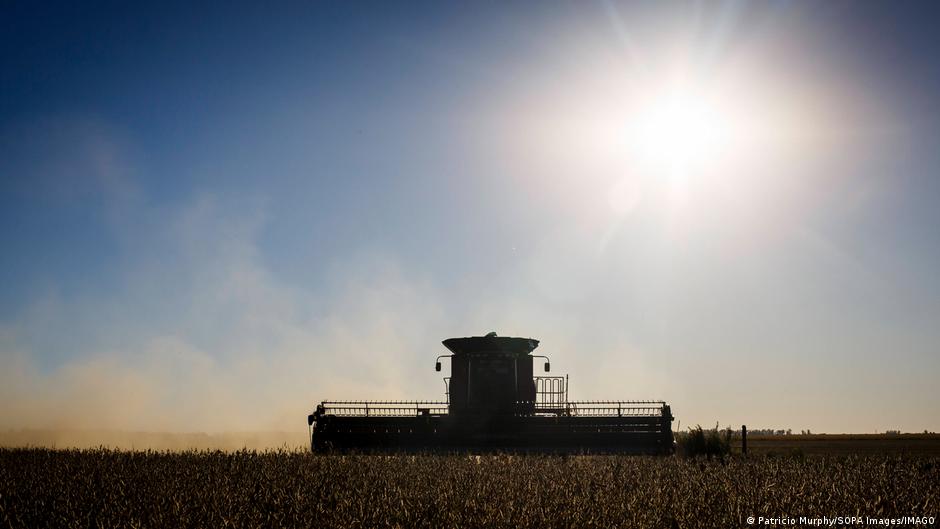
Up to 10% higher fuel costs are already being paid by consumers in several Latin American countries, and analysts warn fertilizer price spikes tied to exports from Iran, Qatar and Saudi Arabia will materially compress farm margins. Argentina faces a record harvest outlook but rising fuel and fertilizer input costs are likely to erode producer profits and add to regional inflationary pressure. Oil exporters such as Brazil, Mexico, Colombia and Argentina may see revenue upside, but the net effect is uneven across economies and poses short‑term downside risk to agricultural margins and consumer purchasing power.
Winners are likely to be upstream fertilizer and commodity energy exporters that can re-price into an immediate spot market — think producers with flexible bunker/urea logistics and low marginal production costs. A 6–12 month view is critical: elevated input prices compress farmer margins now, but reduced application rates will mechanically lower next season’s yields and exports, tightening grain balances and supporting crop prices in the following harvest window.
Second-order supply-chain effects include working capital stress for South American grain producers: tighter margins will force earlier liquidation of stock, increase collateralized borrowing, and raise counterparty credit risk for local trading houses. Processors and integrated merchandisers with storage and origination capacity can capture basis dislocations, while pure-play growers and local banks face earnings volatility and higher NPL risk over 3–9 months.
Key catalysts to watch are (1) sanctions and shipping rerouting that harden fertilizer spot spreads over 30–90 days, (2) central bank policy responses in the region as inflationary pass-through shows up in CPI over 2–4 quarters, and (3) weather-driven yield outcomes which can materially offset or amplify the supply shock on a seasonal cadence. A plausible reversal would be rapid diplomatic de-escalation or a logistical workaround that restores granular spot supply within 60–90 days, which would deflate the current fertilizer risk premia.
The consensus underestimates optionality in trade flows: Western and Russian exporters can and historically do re-route volumes into Latin America quickly when priced to cover freight and tariff frictions, capping upside for fertilizer names if the spot premium proves short-lived. That makes timing and structure (options vs cash) essential to capture the path-dependent payoff.
AI-powered research, real-time alerts, and portfolio analytics for institutional investors.
Request DemoOverall Sentiment
mildly negative
Sentiment Score
-0.25
