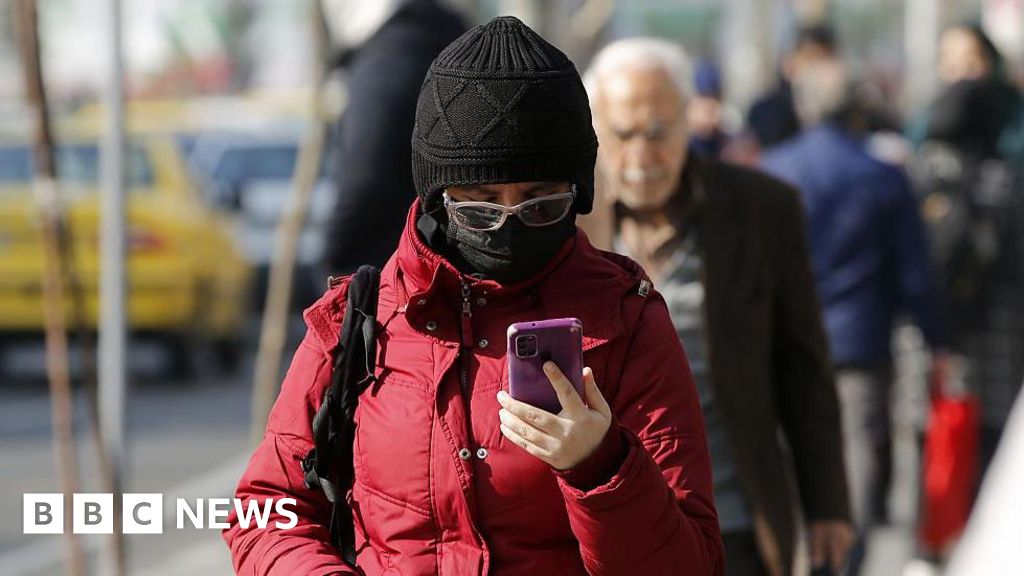
Iran has imposed a near-total internet blackout since 8 January with tightly controlled, intermittent partial restorations that appear to be selectively granting access to vetted users and businesses; the communications minister estimated daily economic losses at nearly five trillion tomans (~$35m). Key international platforms remain restricted while some local services and limited unfiltered windows (reported as 20–30 minutes for some chamber of commerce members) are being rationed under identity verification, raising operational, privacy and continuity risks for firms operating in Iran and signaling a potential long-term move to isolate the domestic network.
Market structure: Controlled restoration benefits vendors of censorship circumvention, enterprise secure-communications and satellite/backup links (CDN, DDoS mitigation, VPN enterprise stacks) while crushing Iran-facing SMEs and local trade — Minister: ~5 trillion tomans/day (~$35m/day) → ~ $1bn/month direct GDP hit, meaning near-term revenue losses for local commerce and remittance flows. Competitive dynamics favor large Western cyber vendors (PANW, FTNT, CRWD, NET) and small-cap satcom (IRDM, VSAT) that can supply out-of-band connectivity; state-favored domestic platforms will gain share inside Iran, entrenching vendor concentration and potential pricing power for regime-approved providers.
Risk assessment: Tail risks include escalation to Strait of Hormuz incidents (low probability, high impact: >20% oil spike within days) and permanent “internet balkanization” causing multi-year capex shifts away from open internet. Time buckets: immediate (days) = volatility in oil/FX and EM flows; short-term (0–3 months) = energy and EM equity/govt spread widening; long-term (3–24 months) = structural demand for sovereign internet/secure comms. Hidden dependencies: ground-station access, satellite uplink permits, and Western export controls (secondary sanctions) that can blunt vendor addressable market.
Trade implications: Expect compression in EM risk appetite — EEM/EM sovereigns implied vols to reprice higher; energy implied vols to spike on any Gulf escalation. Favor tactical convexity: cheap, capped downside protection on EM (put spreads) and directional, limited-risk exposure to Brent via 3-month call spreads; overweight cyber and select satcom names for 3–12 month cyclical-plus-structural upside. Use strict exit triggers: close energy exposure if Brent rallies >10% in 2 weeks or falls back 5% from peak.
Contrarian angles: The market may overestimate Iran’s oil-supply role (sanctions already suppressed exports) so oil upside could be overstated while underestimating sustainable demand for hardened comms infrastructure — a multi-year theme. Historical parallels (Egypt 2011) show internet blackouts spike short-term volatility but don’t always create prolonged commodity shocks; the higher-probability mispricing is underinvestment in satellite/secure-communications names whose revenues could grow 10–30% YoY under sustained fragmentation.
AI-powered research, real-time alerts, and portfolio analytics for institutional investors.
Request DemoOverall Sentiment
moderately negative
Sentiment Score
-0.45
