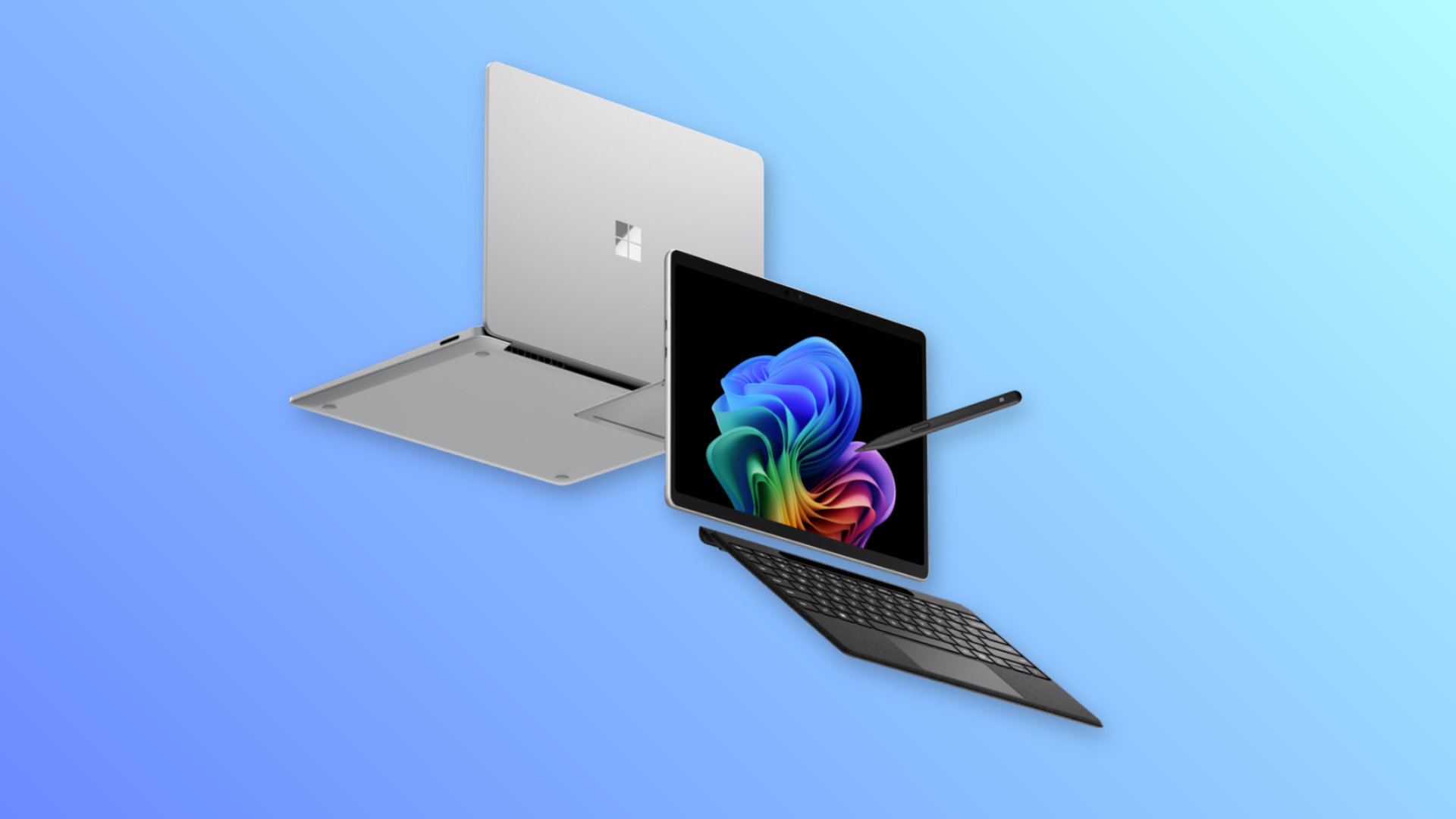
Microsoft unveiled new business-focused Surface devices built on Intel Panther Lake chips, including a 13-inch Surface Laptop starting at $1,499 and an 8GB variant planned for $1,299 later this year. The lineup also includes Surface Laptop 8 models starting at $1,949 and a Surface Pro 12 starting at $1,949, with top configurations reaching $4,499. The article is largely a product-spec review, with the main takeaway being that the 8GB Surface Laptop falls short of Microsoft’s own 16GB Copilot+ memory requirement for local AI tasks.
This looks less like a hardware launch and more like Microsoft conceding that premium business PCs are now split into two markets: AI-capable fleet refreshes and value-segment incumbents that are already obsolete on arrival. The 8GB configuration is the tell — it signals pricing pressure and SKU discipline, but it also risks creating a visible “bad Surface” anchor that can distort channel mix, suppress attach rates for Copilot+/security bundles, and invite enterprises to standardize on Apple or Dell for the lower end while reserving Microsoft only for higher-spec deployments. The more important second-order effect is on Intel than on Microsoft. Panther Lake winning a flagship Surface slot helps validate the platform narrative, but the actual volume driver is still memory-intensive enterprise AI readiness; if the 8GB model sells, it does so by cannibalizing higher-margin configurations, not by expanding the category. That implies a near-term uplift in design-win sentiment for INTC, but limited evidence of broad PC demand inflection unless OEMs and IT departments materially raise default RAM allocations over the next 2-3 quarters. For MSFT, this is a modest product-portfolio risk rather than a financial one: Surface is small, but the brand is strategically important as a showcase for Windows and Copilot. A weak reception on the low-end could become a narrative problem over the next 1-2 earnings cycles if reviewers and enterprise IT buyers conclude that Microsoft’s own hardware is underspecified for its AI messaging. The contrarian angle is that this may actually accelerate a Windows fleet upgrade cycle: enterprises may use the awkward 8GB SKU as justification to standardize on 16GB+ minimums, benefiting the broader Windows ecosystem even if Surface unit economics remain mixed.
AI-powered research, real-time alerts, and portfolio analytics for institutional investors.
Request DemoOverall Sentiment
neutral
Sentiment Score
-0.05
Ticker Sentiment
