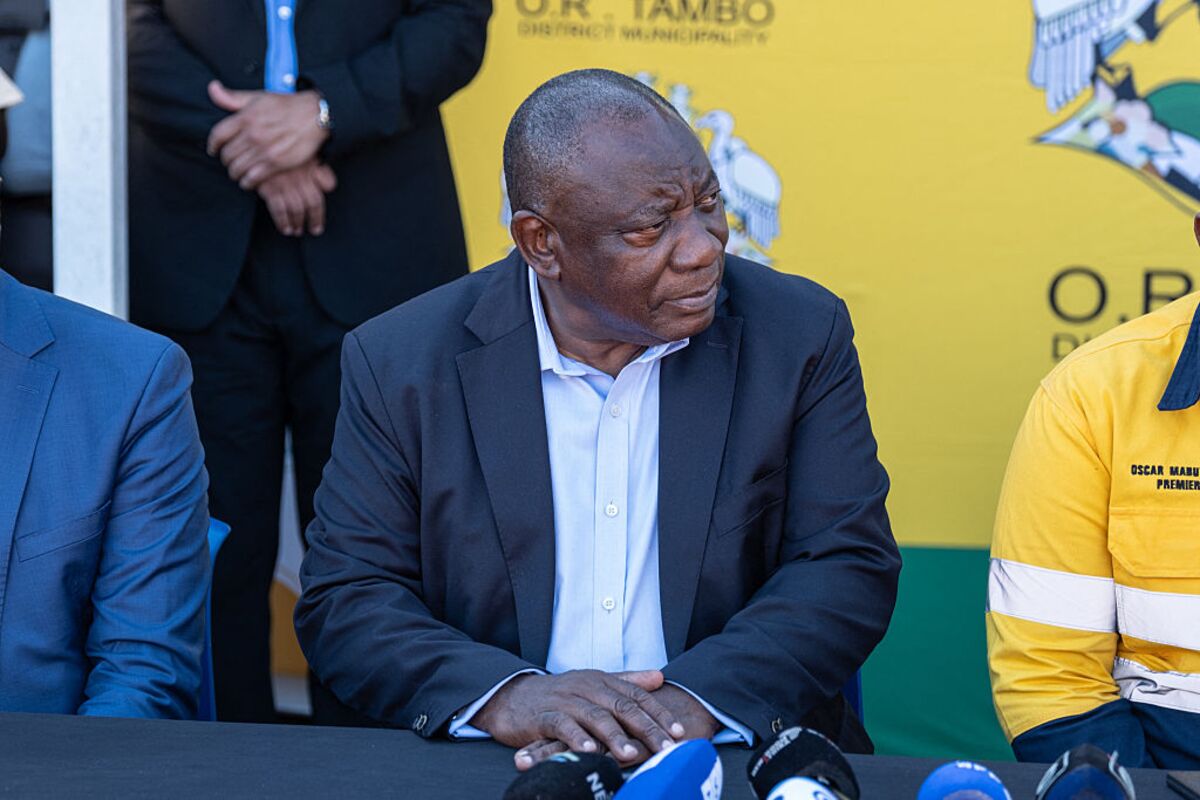
South Africa's second-largest party, the Democratic Alliance (DA), has opted to remain in the coalition government, resolving an immediate political crisis following an ultimatum to President Cyril Ramaphosa over the controversial firing of one of its deputy ministers. Despite staying, the DA will boycott the national dialogue panel established to guide the country's future development, citing accusations of political double standards. This decision signals continued, albeit fractious, coalition stability while highlighting persistent governance challenges and potential impediments to policy consensus.
The immediate risk of a coalition collapse in South Africa has been averted as the second-largest party, the Democratic Alliance (DA), will remain in the government. This decision follows a period of heightened political friction stemming from President Ramaphosa's dismissal of a DA deputy minister, an action the DA framed as evidence of presidential double standards regarding corruption allegations within the ruling African National Congress. While the coalition's survival provides a degree of short-term stability, the underlying tensions are significant. The DA's subsequent choice to boycott the national dialogue panel, a body created to guide the country's future development, signals a deep-seated fracture that could paralyze policymaking. This move undermines the government's ability to forge a consensus on critical economic and social issues, suggesting that while the government structure holds, its functional capacity for unified action is severely compromised, perpetuating a climate of governance uncertainty.
AI-powered research, real-time alerts, and portfolio analytics for institutional investors.
Request DemoOverall Sentiment
mixed
Sentiment Score
0.00
