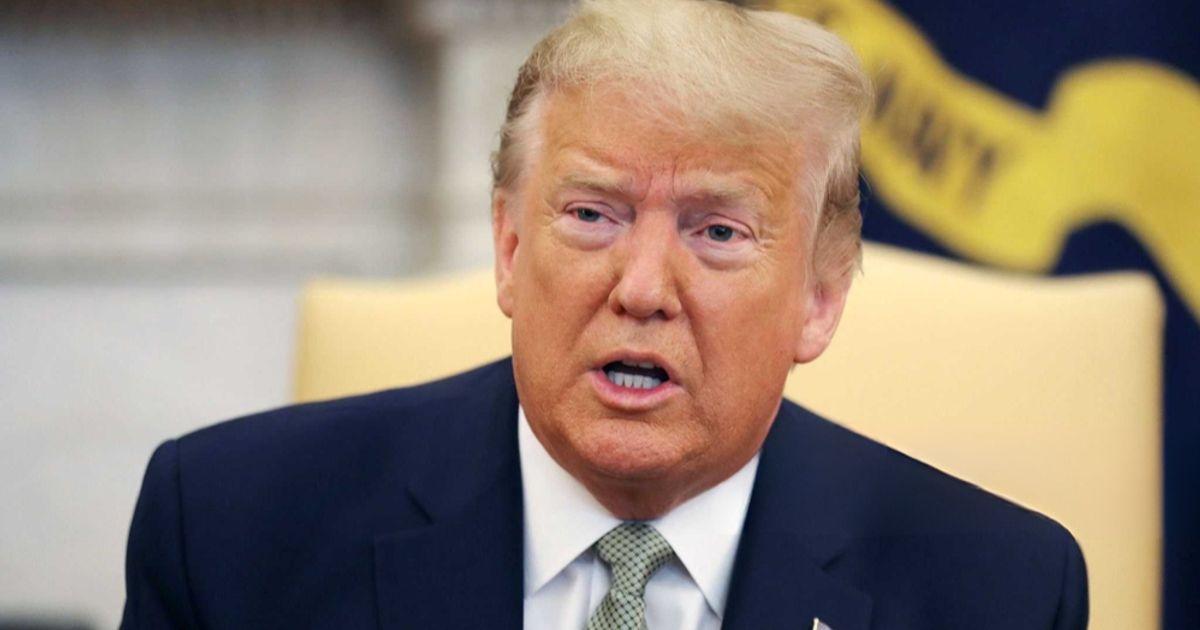
President Trump has again delayed new reciprocal tariffs until August 1, while announcing updated rates for 14 countries, including key Asian and African economies, with sector-specific exemptions possible. Despite this, UBS research indicates emerging market equities have not fully priced in the risk, with potential weighted average tariffs rising significantly and EM earnings facing a 6-9% reduction, far exceeding current forecast trims. This dynamic leads UBS to prefer less exposed markets like China and India, while remaining cautious on highly exposed nations like Thailand and South Korea, underscoring tariffs as a critical, ongoing uncertainty for EM investors.
The latest delay of US reciprocal tariffs to August 1 provides only a temporary reprieve for emerging markets, as underlying risks appear significantly underpriced by investors. According to research from UBS, a full implementation of the proposed tariffs could cause the weighted average tariff on affected emerging markets to escalate to 21%, a sharp increase from 16% currently and just 2.4% last year. This escalation poses a substantial threat to corporate profitability, with stress tests indicating a potential 6-9% reduction in emerging market earnings. Critically, this contrasts with recent consensus earnings forecast trims of only about 3%, suggesting a significant vulnerability to negative revisions ahead. The impact is not uniform across markets; UBS maintains overweight positions in less-exposed countries like China and India, while highlighting the heightened risk for economies with significant US export exposure, such as Thailand (8% of GDP) and South Korea (28% of revenue). While sector-specific exemptions may mitigate the impact for certain industries, the overarching narrative is one of unresolved trade tension and latent market risk.
AI-powered research, real-time alerts, and portfolio analytics for institutional investors.
Overall Sentiment
moderately negative
Sentiment Score
-0.60
Ticker Sentiment
