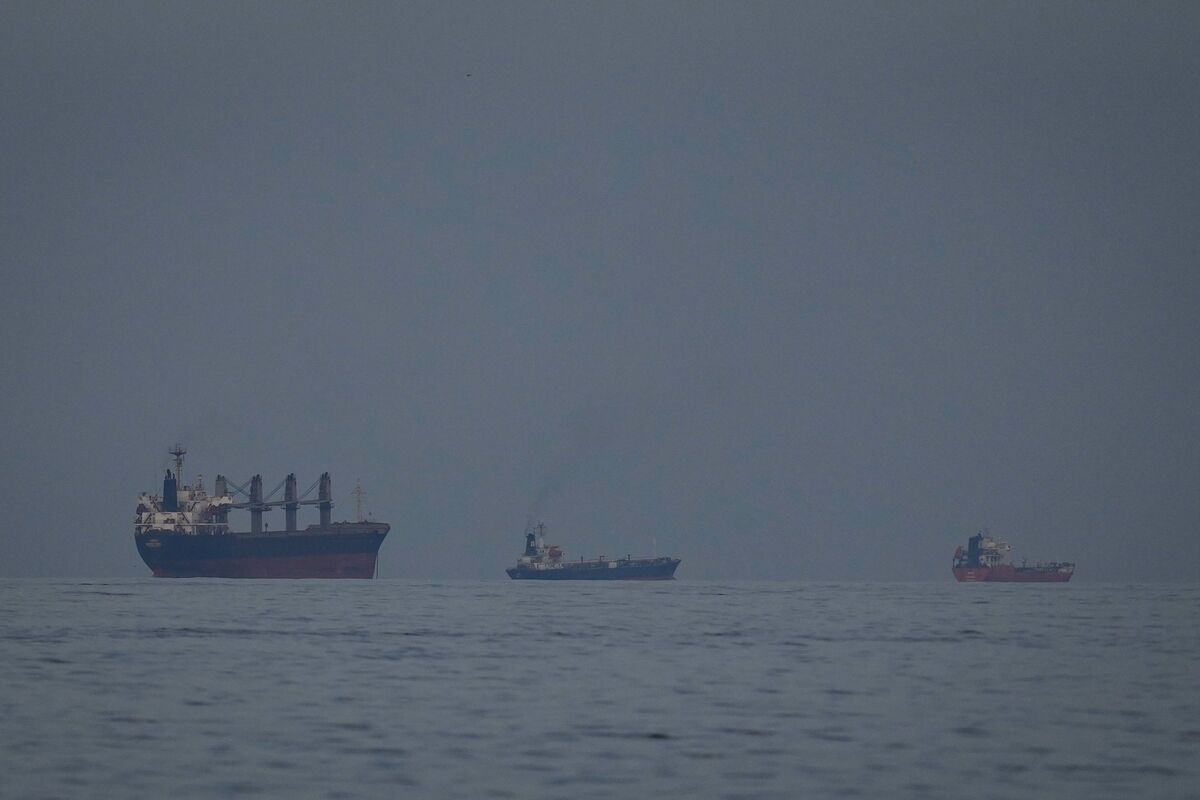
Iran sent a letter dated March 22 to the IMO saying foreign ships may transit the Strait of Hormuz if they are not supporting aggression and comply with Iran's regulations, with safe passage to be coordinated with Iranian authorities. The clarification sets Tehran's terms for a strategic shipping chokepoint and could modestly influence regional shipping and energy market risk perceptions.
The practical effect of Iran conditioning passage is a rise in non-linear transaction costs for maritime energy and container flows: expect higher pre-clearance friction, occasional re-routing around choke points, and sharply elevated war-risk insurance pricing. Those factors don't just raise spot freight rates — they mechanically widen refined product and crude time-spreads (shorter-cycle arbitrage becomes harder) and shift margin upstream to owners of flexible crude tonnage and to brokers who can re-deploy fleet quickly.
Timing: headline-driven disruptions can spike costs in days (insurance and spot charter rates move first), while durable changes — re-contracting routes, longer-term chartering — play out over 1–6 months and embed into freight indices and refinery run economics. A de‑escalation or credible IMO/US navy coordination could compress premiums and rates within weeks; conversely, tactical seizures or ambiguous inspection practices would keep elevated costs for quarters.
Second-order winners: owners of readily redeliverable crude tankers and smaller, nimble container owners that can flex routes and contracts to capture higher daily hire. Second-order losers: just-in-time reliant refiners and integrated trading books that arbitrage tight contango spreads, plus airlines and long-haul container shippers facing persistent bunker inflation. Policy/sanctions enforcement is the key catalyst — any operational coupling between inspections and sanctions lists would materially amplify credit and counterparty risk across trading houses and insured shipping pools.
AI-powered research, real-time alerts, and portfolio analytics for institutional investors.
Overall Sentiment
neutral
Sentiment Score
0.00
