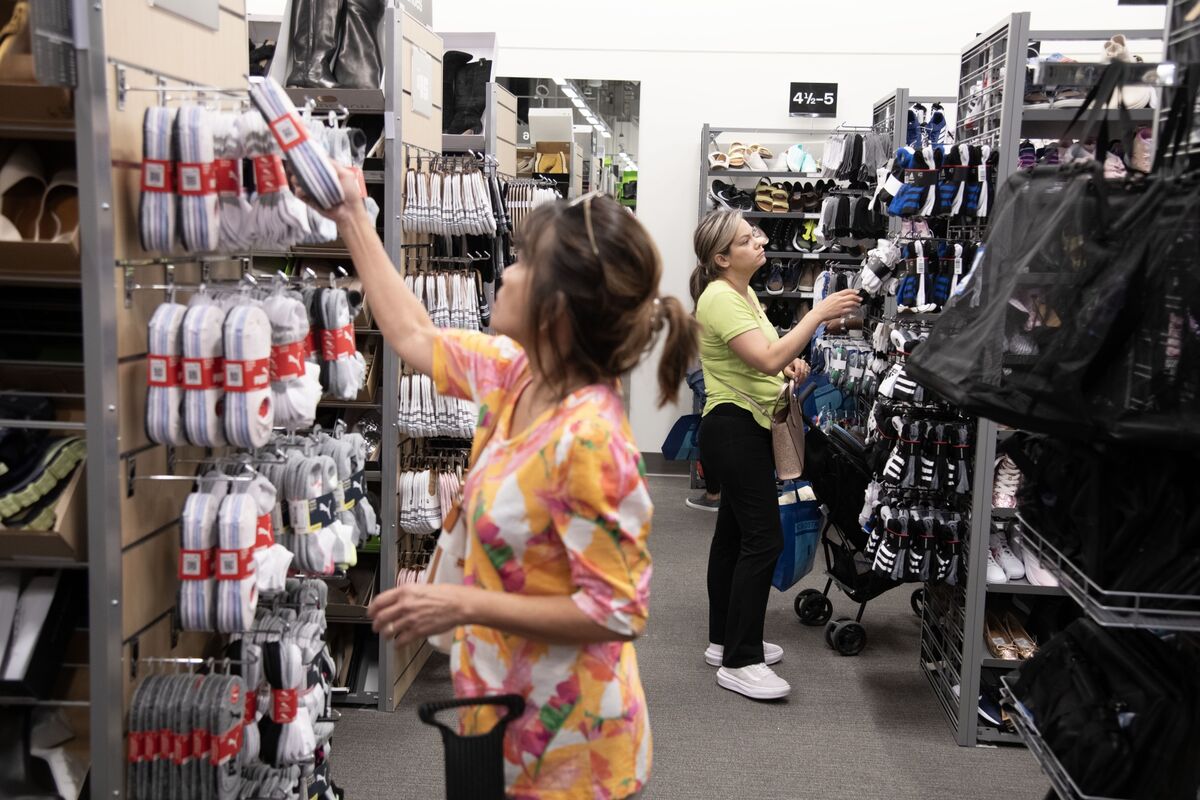
US retail sales declined 0.9% in May, the largest drop since the start of the year and the second consecutive monthly decrease after a revised 0.1% fall in April, signaling potential consumer anxiety regarding tariffs and personal finances following a period of robust spending earlier in the year; the decline was primarily driven by decreased auto sales.
US retail sales experienced a notable contraction in May, falling 0.9% on an unadjusted basis, which represents the largest monthly decline since the start of the year, according to Commerce Department data. This decrease followed a downwardly revised 0.1% fall in April, marking the first consecutive two-month decline in retail purchases since the end of 2023. The pullback in consumer spending, particularly restrained by the automotive sector, suggests heightened consumer anxiety regarding tariffs and their personal financial outlook after a period of stronger spending earlier in the year. This slowdown in a key economic indicator signals potential headwinds for overall economic growth, as consumer behavior shifts in response to perceived financial pressures and trade policy uncertainties, consistent with the strongly negative sentiment observed.
AI-powered research, real-time alerts, and portfolio analytics for institutional investors.
Request DemoOverall Sentiment
strongly negative
Sentiment Score
-0.70
