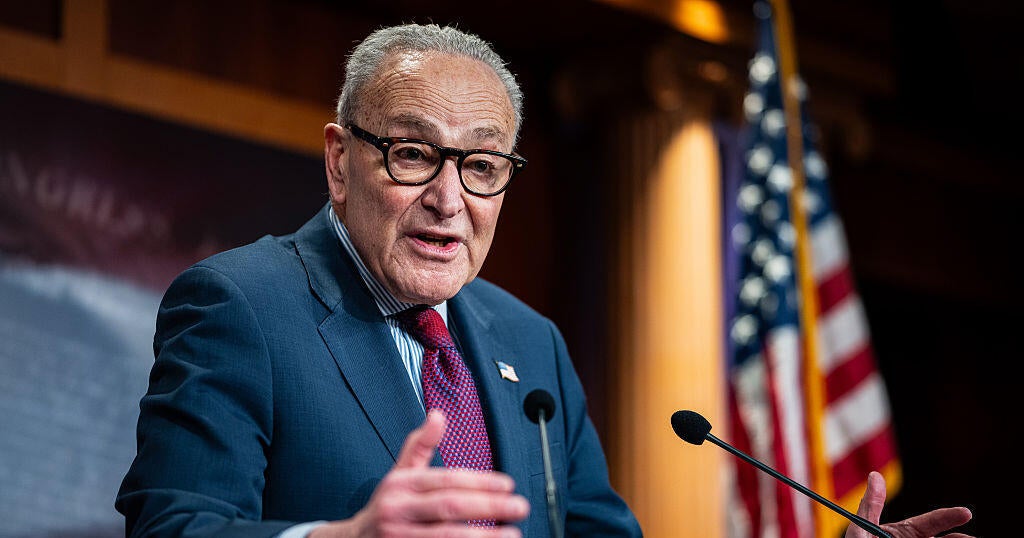
Lawmakers remain deadlocked as funding for the Department of Homeland Security lapsed Saturday while Democrats delivered a counteroffer to Republicans and the White House seeking ICE and CBP reforms, including limits on roving patrols, a use-of-force code, body cameras and a ban on masks for agents. ICE and CBP will keep operating temporarily due to prior appropriations from last year’s omnibus, but TSA, the Coast Guard and FEMA are affected and most employees will work without pay until a deal is reached; Congress is on recess until Feb. 23. The standoff and political dispute over enforcement reforms create continued operational and policy uncertainty but, absent a broader resolution, are likely to have limited immediate market impact.
Market structure: Short-term winners are cash/money-market and short-dated Treasuries (flight-to-quality) and defense/security contractors able to bid for contingency work; losers are TSA-exposed travel names and short-term discretionary demand (airlines, travel insurers) due to unpaid TSA staff and operational risk. Pricing power shifts are minor but concentrated: private security vendors and insurers could extract higher rates for risk-averse carriers if disruptions >2 weeks. Across assets expect 5–15bps compression in 7–10yr yields if shutdown persists, a 0.5–1% bid in gold, and a 0.5–1% downside in USD on a risk-averse liquidity squeeze.
Risk assessment: Tail risks include a multi-week DHS shutdown (low probability) that cascades into meaningful air travel disruption, a 25–50bp move in front-end yields, or political escalation that threatens broader appropriations — assign 5–10% likelihood over 60 days. Immediate (days) risk is operational noise; short-term (weeks) is logistical disruption to travel; long-term (quarters) is legislative change to ICE/CBP budgets and procurement. Hidden dependency: ICE/CBP funding insulation creates asymmetric bargaining that can prolong DHS gaps; catalyst windows: Feb 23 congressional return and the Trump-Democrat meeting within 7 days.
Trade implications: Tactical allocations: overweight cash/short Treasuries (BIL/SHV) and a small duration barbell (2–3% portfolio in IEF) for a 5–15bps move; hedge travel via 30–60 day put spreads on JETS (size 0.5–1% portfolio) or single large-cap airline puts (AAL/UAL) if operational delays widen. Options: buy IEF or TLT call spreads (30–60 day) to capture rate rally with defined risk; establish pair trades long short-dated Treasuries (SHY) vs short consumer discretionary travel (JETS) for relative-value.
Contrarian angles: The market underestimates that ICE funding continuity limits systemic risk but amplifies localized political blowups — consensus overstates immediate national security impact and understates operational TSA fragility. Past short DHS funding lapses produced modest bond rallies and transient airline underperformance; if shutdown ends within 10 business days these moves will mean-revert, creating short-term mean-reversion trades. Unintended consequence: buying the dip in airlines before Feb 23 is risky; prefer buying after a confirmed legislative resolution or on >10% post-shutdown selloffs.
AI-powered research, real-time alerts, and portfolio analytics for institutional investors.
Request DemoOverall Sentiment
mildly negative
Sentiment Score
-0.35
