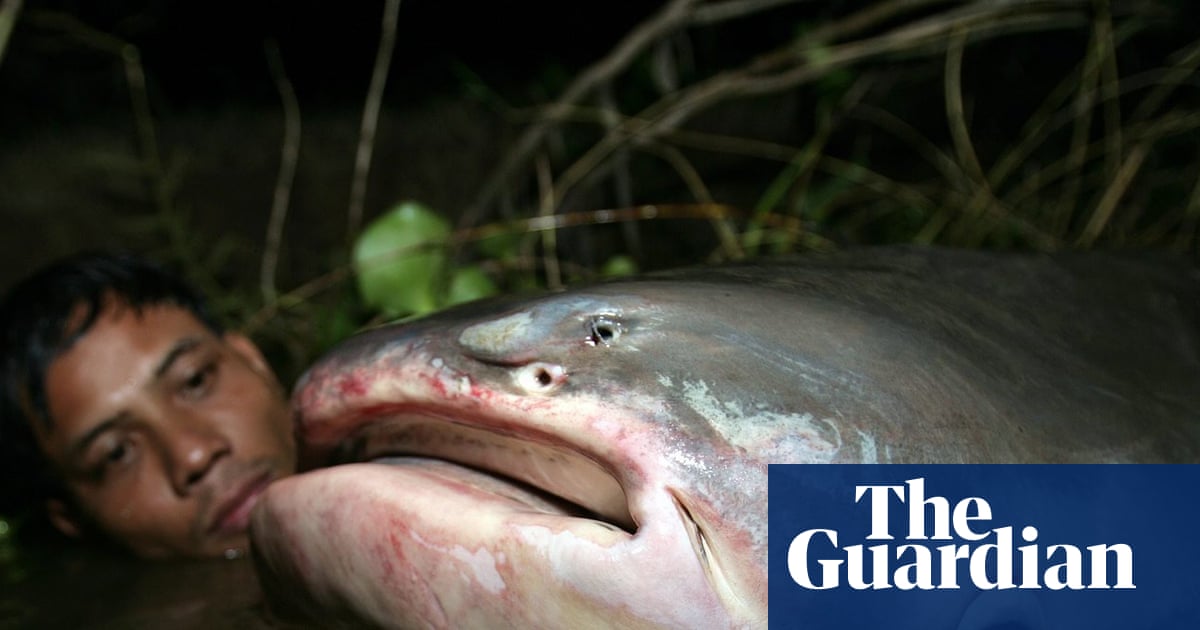
Freshwater migratory fish populations have crashed by ~81% since 1970, according to a CMS-led assessment covering >15,000 species; 325 transboundary species were identified as candidates for protection but only 24 are listed today. Drivers include dams blocking waterways, pollution, overfishing and rising water temperatures from climate change, threatening hundreds of millions who rely on inland fisheries and key basins (Mekong, Amazon, Danube, Nile, Ganges-Brahmaputra). The CMS COP15 in Brazil is prioritizing cross-border measures (remove/prevent barriers, ensure flows, reduce pollution, coordinate catches) and regional action plans (eg migratory catfish in the Amazon) though major Mekong countries are not yet treaty members.
The policy response to collapsing river migrations creates a multi-year capital spending cycle distinct from typical green-energy capex: restoration, fish-passage retrofits, monitoring networks and targeted fisheries enforcement are CAPEX-light but OPEX-heavy and will favor engineering services, sensors and specialized contractors over commodity hydro-equipment. Expect procurement tenders to be chunked into basin-level programs (Mekong, Amazon, Ganges, Danube) funded by blended public–private finance; a single basin program can represent hundreds of millions in multi-year project flows rather than one-off megaproject revenues. Second-order commodity impacts are underappreciated: structural declines in wild-catch trajectories tighten supply of low-value fishmeal and bait, lifting prices for substitute proteins and accelerating investment in land- or sea-based aquaculture and feed-replacement technologies. That re-prices input chains for aquafeed, canned processing and animal nutrition suppliers over 2–5 years and creates margin tailwinds for vertically integrated farmed-seafood producers. Geopolitical and regulatory catalysts dominate timing risk: treaty signings, COP15 outcomes and regional election cycles will create episodic windows (weeks-to-months) of procurement clarity or retrenchment; implementation and measurable ecological outcomes are multi-year. The asymmetric outcomes are clear — if transboundary basin governance strengthens, engineering/services and monitoring names win steady contracted revenue; if funding stalls, smaller conservation NGOs and local processors face stranded-revenue risk while large hydropower contractors retain short-term orderbooks but face reputational and export restrictions longer-term.
AI-powered research, real-time alerts, and portfolio analytics for institutional investors.
Request DemoOverall Sentiment
strongly negative
Sentiment Score
-0.70
