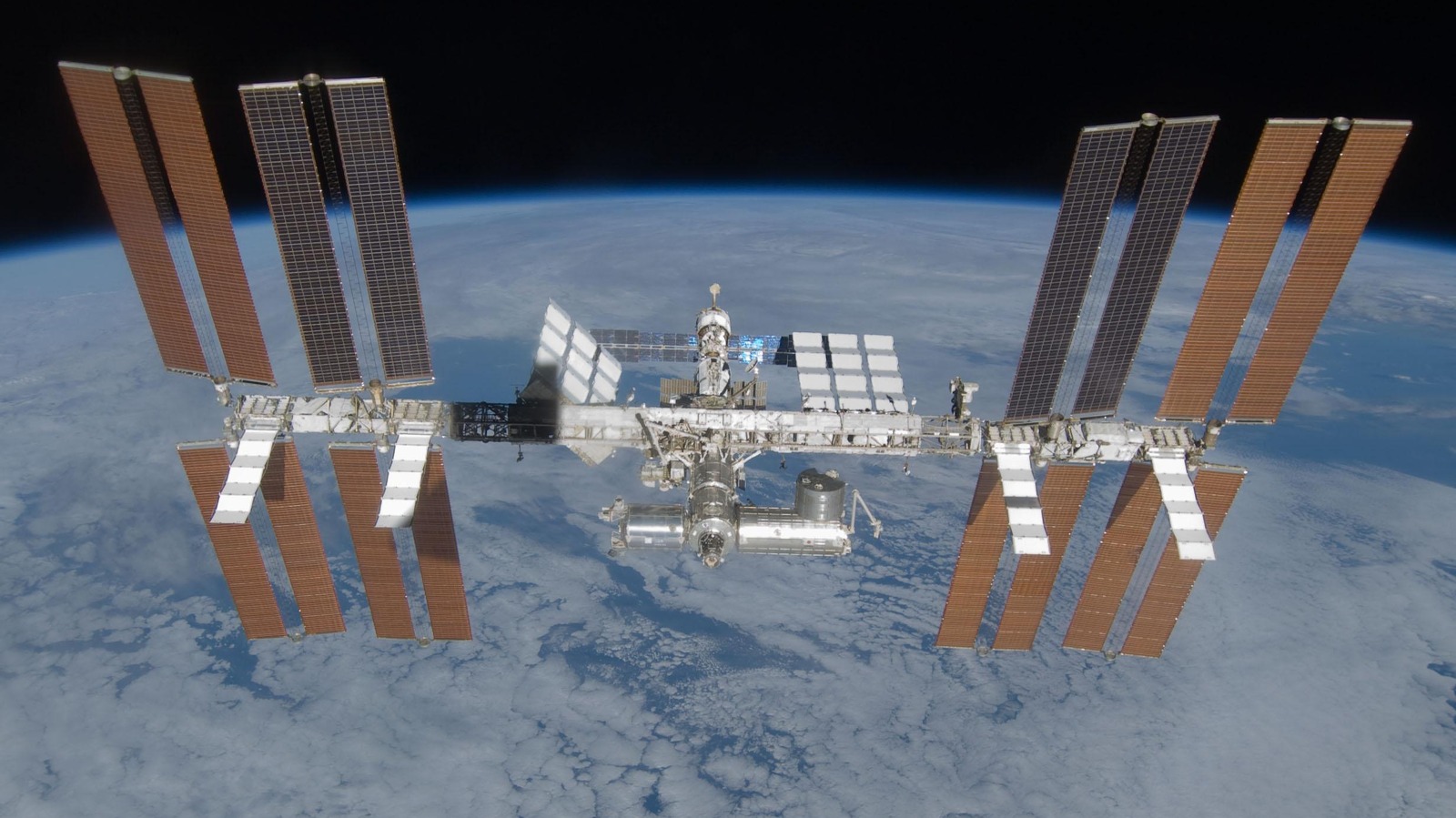
NASA has contracted SpaceX to deorbit the 495-ton International Space Station after 2030, but Russia plans to repurpose its Roscosmos-controlled modules as the core of a proposed Russian Orbital Station (ROS). The pivot from building a new station at Vostochny to recycling ISS hardware reflects severe budgetary strain after the invasion of Ukraine, and raises operational and safety concerns — including microbial adaptation risks and structural issues (NASA noted an air leak through cracks in a vestibule linking Zvezda and the PrK tunnel). Reusing ISS segments will likely keep ROS in the same orbit and continue launches from Baikonur, underscoring cost-driven compromises with potential national-security and programmatic implications.
Market structure: Russia recycling its ISS modules means a greater share of near-term station upkeep and scientific demand will flow to commercial and Western primes that can certify, refurbish or replace aging hardware (Axiom/Maxar/Northrop/LMT/RTX). Expect modest near-term pricing power for niche suppliers (life‑support, radiation shielding, microbial remediation) as NASA and commercial actors accelerate redundant capabilities; Russian suppliers will lose access to Western components and revenue, pressuring the RUB and Russian sovereign credit spreads. Cross‑asset: short RUB/long USD likely to remain profitable on headlines; US defense names should show defensiveness in bonds and equity spreads compressing into 3–12 months, while aerospace insurers could reprice launch premiums by +10–30% if debris/structural risk is perceived higher.
Risk assessment: Tail risks include a catastrophic hull failure or biohazard leading to an emergency evacuation, sudden acceleration of deorbit timeline, or sanctions escalation that freezes cross‑border contracts — each could move related equities ±20–50% in days. Immediate (days): headline volatility in small-cap space suppliers and Russian assets; short‑term (weeks–months): RFPs and contract awards re‑priced; long‑term (years): durable demand for commercial stations and modular LEO infrastructure if NASA exits in 2030–2031. Hidden dependencies: Baikonur lease politics (Kazakhstan), India collaboration rhetoric, and insurance/reinsurance capacity; catalysts are NASA commercial ISS transition decisions and Roscosmos budget releases in the next 3–12 months.
Trade implications: Favor selective overweight in public commercial‑station plays (AXSM, MAXR) and prime contractors (NOC, RTX, LMT) with 6–18 month time horizons, using call spreads to cap cost. Consider small, tactical RUB FX shorts or CDS on Russian sovereigns only if your mandate allows; avoid large exposure to Russian equities/ETFs. Entry: establish tranche 1 positions now (10–20% of target allocation) and scale into confirmed contracts/RFP wins (Axiom/Maxar) within 3–12 months; exit or hedge if NASA extends ISS beyond 2032 or Roscosmos secures unexpected funding increases.
Contrarian angles: The market underestimates the commercial station opportunity — a successful recycling plus NASA exit could rerate commercial players by 2–3x over 3 years if they capture ISS research flows; conversely the market may be underpricing operational/health risks from aged modules which could produce multi‑month program delays. Historical parallel: Mir reuse taught that technical debt compounds costs and delays — expect multi‑year schedules and >30% cost overruns on refurb efforts. Unintended consequence: Russia’s move could fragment orbital traffic and raise collision/insurance costs, benefiting launch and on‑orbit servicing firms but penalizing small satellite operators through higher insurance premia.
AI-powered research, real-time alerts, and portfolio analytics for institutional investors.
Request DemoOverall Sentiment
moderately negative
Sentiment Score
-0.35
