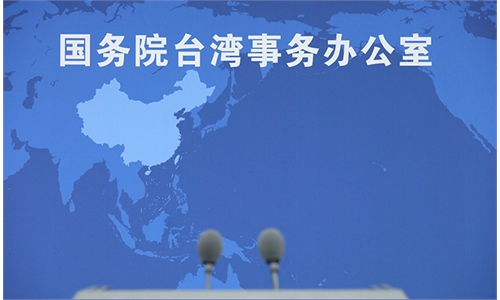
Japanese Prime Minister Sanae Takaichi's recent televised remarks linking a Taiwan crisis to joint Japan-US evacuations have prompted a strong rebuttal from Chinese state media, which accused Tokyo of stoking cross-Strait tensions to serve domestic political aims. Beijing reiterated the one-China principle, argued the Japan-US treaty does not cover Taiwan, and warned of international condemnation and countermeasures, highlighting elevated geopolitical risk in East Asia. Hedge funds should monitor potential volatility in Asian equities, the yen, and regional defense-related sectors, as rhetoric increases the chance of strained Japan-China and Japan-US diplomatic ties that could affect risk sentiment.
Market structure: Rising China–Japan rhetoric benefits defense primes and adjacent industrial suppliers (Japan: 7011.T Mitsubishi Heavy, 7012.T Kawasaki; US: LMT, NOC) as governments accelerate procurement; insurers and tanker owners stand to gain from higher war-risk premia and freight rates. Losers are Taiwan-facing semiconductors (2330.TW TSMC, ASML exposure via European capex cycles), Japan/Asia cyclical exporters tied to cross‑strait trade, and regional tourism/airlines if tensions spike. On cross-assets expect safe-haven flows: gold +5–15% under escalation, crude +5–20% if shipping disruption, UST 10y yields down 10–40bps; JPY moves are conditional (safe‑haven bid vs. fiscal strain) with 200–400 pip swings plausible.
Risk assessment: Tail risk is a short, sharp kinetic incident causing a 2–8 week partial blockade disrupting ~15–30% of Taiwan chip exports and driving a semiconductor revenue shock for 1–2 quarters; sanctions/decoupling could reprice capex across 1–3 years. Immediate (days) effects = FX/volatility spikes; short-term (weeks–months) = defence contract re-rating and insurer repricing; long-term = supply‑chain reshoring and higher regional defense budgets. Hidden dependencies include Japanese domestic politics (election timing) and US policy ambiguity; catalysts are PLA exercises, US-Japan operational announcements, or an evacuation operation.
Trade implications: Direct plays: overweight listed defense (raise to +150–250bp above benchmark, 6–12 month horizon) and buy gold/energy hedges; short or hedge Taiwan semiconductor exposure with 1–2% notional via puts if on‑shore risk rises. Use options: buy 3‑month 25‑delta GLD calls sized to add 1–2% exposure on escalation; buy 3‑month 10‑delta puts on 2330.TW as insurance. Rotate out of Asia ex‑Japan cyclicals by 3–5% within 2–4 weeks and redeploy into defense/energy for 6–12 months.
Contrarian angles: Consensus overweights kinetic risk and may overpay defense rerates—historical parallels (Crimea 2014) show markets normalize in 3–6 months absent sustained conflict. The market is underpricing the upside to Japanese heavy industry from higher domestic CapEx and machine-tool demand if remilitarization proceeds; conversely, a mediated diplomatic de‑escalation would snap back semiconductors and Asian equities. Trade with tight stops (10–20%) and explicit time-based unwind rules (trim if no escalation in 90 days) to capture skew but limit blowups.
AI-powered research, real-time alerts, and portfolio analytics for institutional investors.
Request DemoOverall Sentiment
moderately negative
Sentiment Score
-0.45
