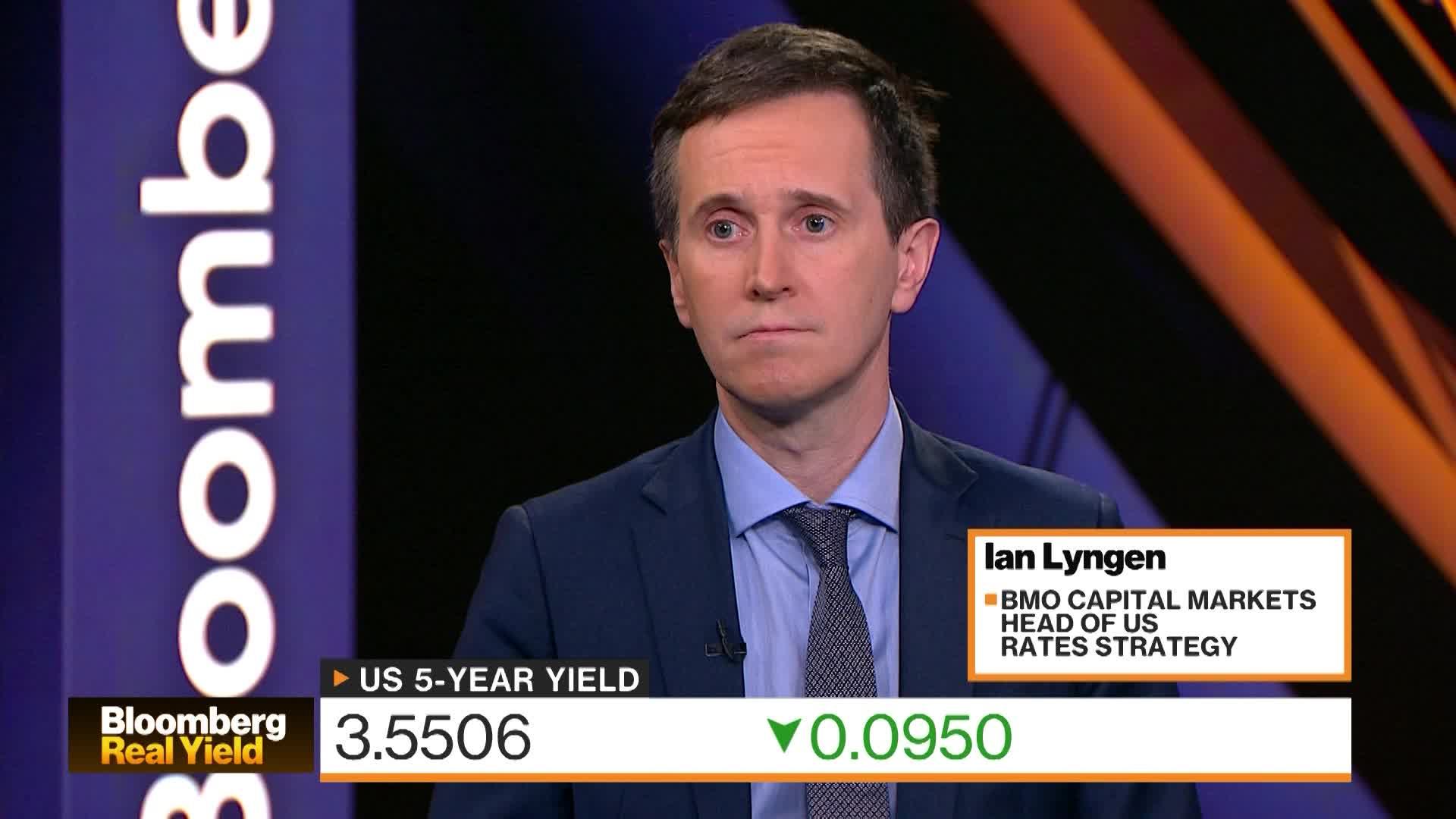
Bloomberg's Real Yield on September 5, 2025, highlighted a significant stall in US jobs growth, which is intensifying market expectations for interest rate cuts. Discussions within the segment also noted strong credit demand, emphasized the increasing prominence of private markets, and presented the view that the current jobs slowdown is a healthy economic development.
Recent data from September 5, 2025, indicates a significant stall in US jobs growth, a development that is intensifying market expectations for forthcoming interest rate cuts. This dovish shift in monetary policy outlook is viewed by some commentators, such as Kay Herr, as a 'healthy' economic slowdown rather than a precursor to a sharp downturn, which explains the mildly positive market sentiment. Contradicting the weak labor signal, commentary from HSBC's Patrice Altongy highlights that underlying credit demand remains strong, suggesting continued resilience in corporate and consumer financing activities. Concurrently, insights from UBS's Matthew Mish emphasize the growing importance of private markets, indicating a potential structural shift where conventional economic data may not fully capture capital flows and investment activity. The overall picture is therefore one of a cooling labor market paving the way for monetary easing, but with persistent strength in credit and a notable pivot towards private capital.
AI-powered research, real-time alerts, and portfolio analytics for institutional investors.
Request DemoOverall Sentiment
mildly positive
Sentiment Score
0.30
Ticker Sentiment
