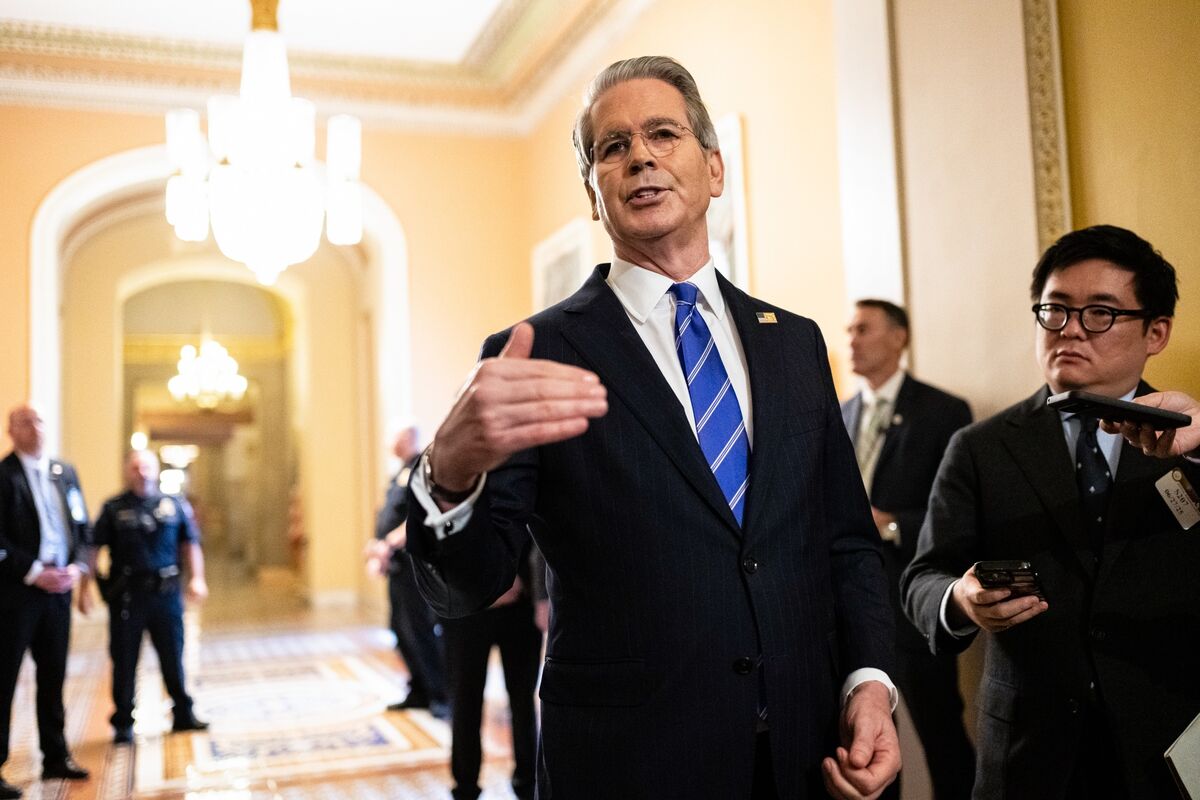
G-7 countries, including the US, have struck a 'side-by-side' tax deal to avert a global tax war, which will exempt US companies from certain elements of an existing international agreement. As part of this accord, the US will repeal Section 899, a 'revenge tax' provision from the Trump tax bill that targeted non-US entities from countries with tax policies deemed discriminatory. This agreement aims to foster international tax stability and reduce potential trade friction.
The G-7 nations have brokered a 'side-by-side' tax agreement designed to avert a potential global tax war, a development with significant positive implications for international market stability. A central component of this deal is an exemption for US companies from select elements of an existing global tax framework, providing them with a degree of regulatory certainty. In a crucial reciprocal move, the US will repeal Section 899, a punitive 'revenge tax' provision from the Trump-era tax bill that threatened to increase taxes on foreign businesses from countries with policies deemed discriminatory by Washington. The removal of this provision de-escalates a major potential source of international trade friction and retaliatory measures. This coordinated action by the G-7 signals a shift towards a more cooperative and predictable global tax landscape, reducing a key tail risk for multinational corporations and fostering a more favorable environment for cross-border investment.
AI-powered research, real-time alerts, and portfolio analytics for institutional investors.
Request DemoOverall Sentiment
strongly positive
Sentiment Score
0.70
