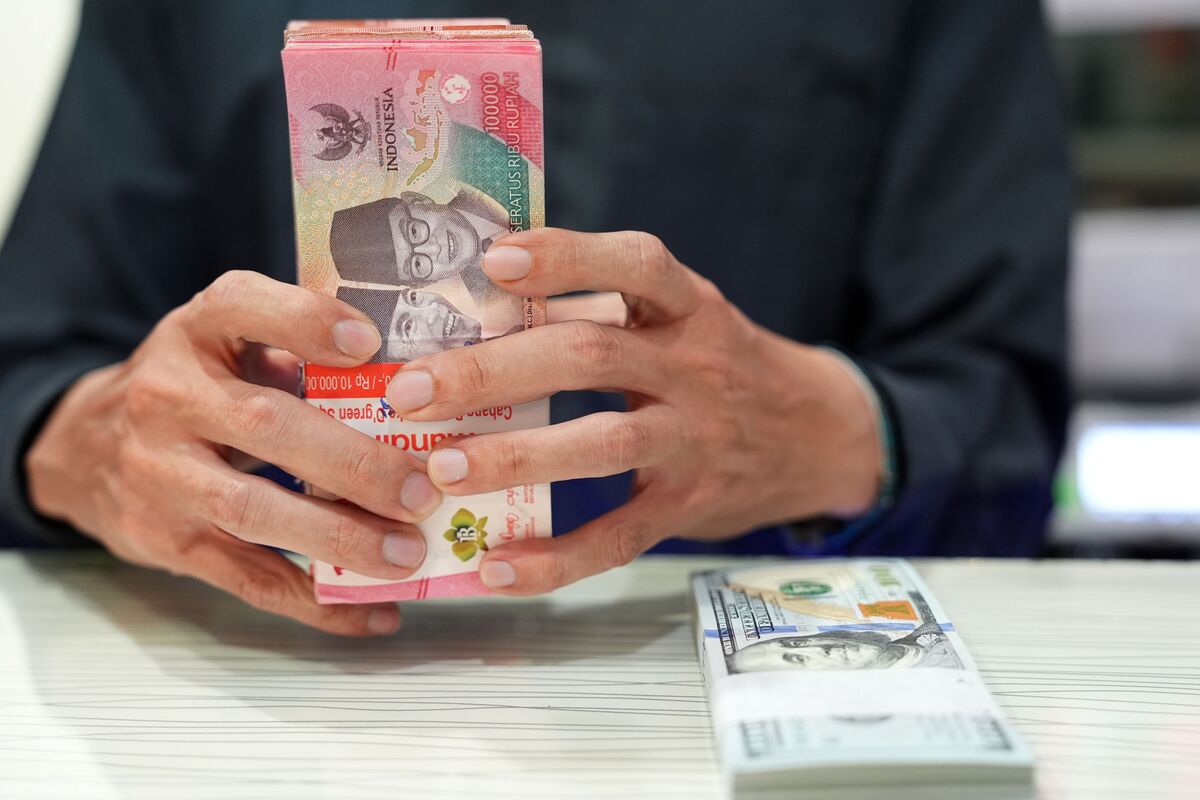
The Indonesian rupiah fell 0.9% to a record low of 17,630 per dollar as markets reopened after a two-day holiday, making it the worst regional performer. The currency is now down more than 5% year to date, with rising oil prices adding pressure. The move signals renewed FX stress in an emerging market currency and may weigh on local risk assets.
Indonesia is showing a classic balance-of-payments stress pattern: when oil strengthens, the currency weakens first, and local rates are forced to absorb the shock later. The second-order issue is that a weaker rupiah amplifies imported energy inflation, which can compress household real income and raise subsidy pressure just as policymakers have less room to ease. That makes the current move more dangerous than a simple FX overshoot because it can feed into domestic demand and sovereign fiscal optics over the next 1-3 months.
The market is also likely underpricing the feedback loop into local corporates with USD liabilities and regulated pricing power. Importers, airlines, logistics, and consumer discretionary names face a double hit from higher fuel costs and a weaker funding currency, while exporters with natural USD revenue become relative winners. In that setup, the big loser is not just FX-sensitive equity beta; it is any balance-sheet-stretched domestic levered credit exposed to refinancing before year-end.
The key catalyst to watch is whether authorities defend the currency with tighter liquidity or tolerate depreciation to preserve reserves. If oil keeps rising for another 2-4 weeks, the market may start testing whether the central bank can credibly slow the move without choking growth, which is when volatility can gap higher. A reversal likely needs either a pullback in crude or a decisive policy signal; absent that, trend-following flows will keep leaning against the rupiah.
Consensus may be assuming this is a one-off holiday catch-up move, but the more important question is whether foreign investors use weakness to exit further. If the rupiah breaks another psychological level, hedging demand from real-money accounts could accelerate and keep the currency cheap longer than fundamentals alone would justify. That creates a window where the FX move is both a macro signal and a tradable momentum event rather than a mean-reversion setup.
AI-powered research, real-time alerts, and portfolio analytics for institutional investors.
Request DemoOverall Sentiment
strongly negative
Sentiment Score
-0.55
