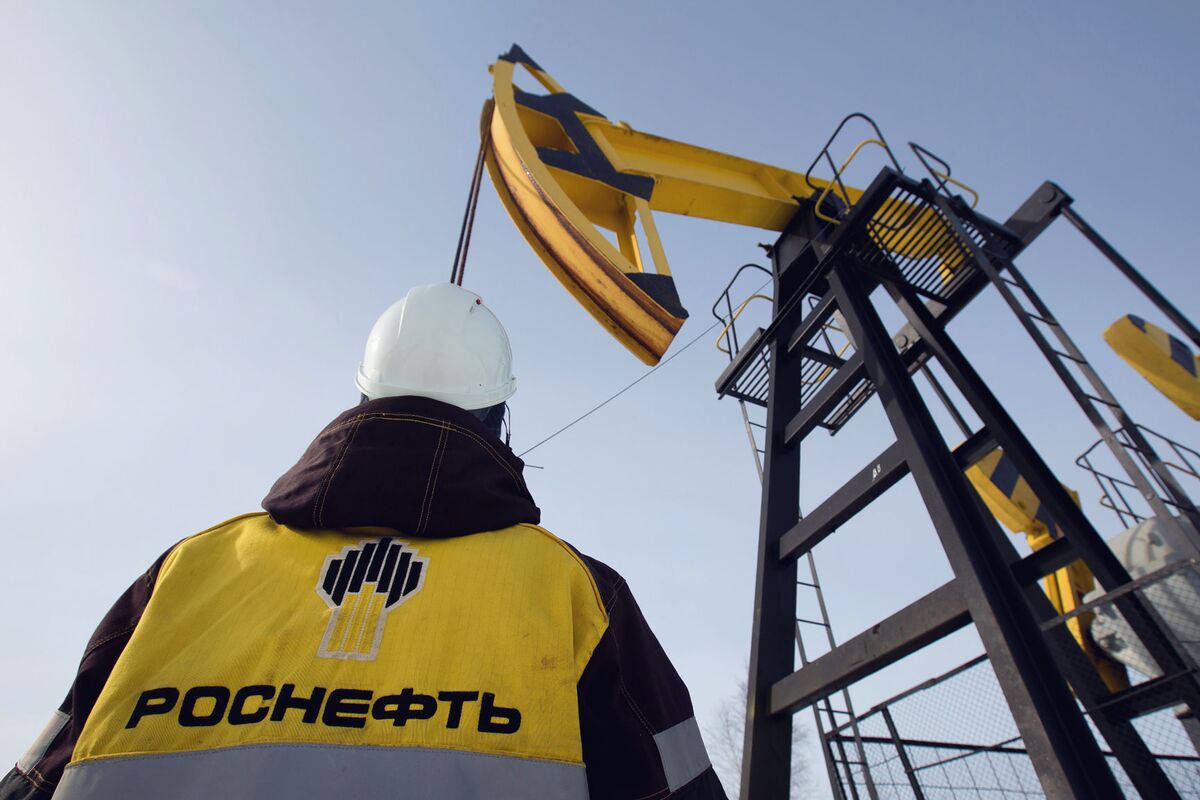
Russian Urals crude reached $116.05 a barrel on April 2 at Primorsk, the highest level in more than 13 years, driven by an Iran-linked global oil rally. The price spike benefits Russian exporters and signals tighter global oil markets with upside pressure on energy prices and potential knock-on effects for inflation and broader markets.
A sustained premium on seaborne Russian grades is functioning like a hidden tax on European refining and trading economics: buyers either pay more for feedstock or absorb incremental freight and insurance costs to source alternate barrels. That cost pressure will disproportionately widen Atlantic Basin product cracks (gasoline/diesel) relative to US Gulf margins for as long as shorter-haul seaborne flows remain disrupted — expect this to persist on a multi-month horizon while rerouting logistics and insurance workarounds scale.
Second-order winners include owners of long-range crude tankers and commodity traders with warehousing/financing flexibility; the increased voyage lengths and risk premia push time-charter rates and working-capital returns sharply higher. Conversely, consumers reliant on just-in-time refined product inventories (airlines, trucking) face margin compression and demand elasticity that can bite within 1–3 quarters if retail fuel stays elevated, creating asymmetric downside for discretionary travel and logistics stocks.
Key catalysts that could reverse the price impulse are diplomatic de-escalation, coordinated SPR releases from major consumers, or a rapid supply response from non-sanctioned producers — political moves can swing prices in days, while upstream capacity responses take 3–9 months to materialize. Monitor tanker freight indicators and insurance premium spreads as leading signals: a meaningful normalization there precedes material physical-flow relief and would compress the Brent/European premia first.
AI-powered research, real-time alerts, and portfolio analytics for institutional investors.
Request DemoOverall Sentiment
mildly positive
Sentiment Score
0.25
