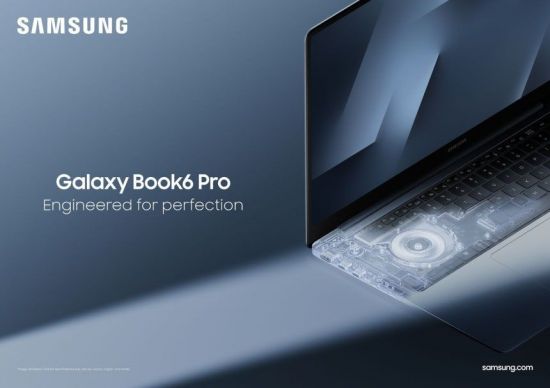
Global PC DRAM prices have surged roughly sevenfold year-on-year to $9.3 per DDR4 8Gb in December 2025, driving substantial retail price increases for laptop launches (Samsung Galaxy Book6 starting at 3.41m won; Book6 Pro 14" at 2.41m won and 16" at 3.51m won; LG Gram Pro AI 16" at 3.14m won, ~500k won higher than predecessor). OEMs cite tighter supply as memory makers prioritize high-performance chips and a weak Korean won raising USD-denominated component costs; Samsung is shifting some smartphone SKUs to in-house Exynos to mitigate headwinds. Elevated component costs and higher consumer prices risk depressing demand—Omdia sees global PC shipments down up to 9% YoY in 2026 and Counterpoint forecasts a 2.1% smartphone shipment decline—pressuring margins for device makers and their suppliers.
Market structure: Memory suppliers (Micron MU, SK Hynix 000660.KS, Samsung Electronics) are the clear near-term winners as standard DDR supply tightens while OEMs (DELL, mainstream laptop makers, smartphone OEMs) are losers via margin compression and demand risk. The 7x YoY jump in DDR4 8Gb to ~$9.3 implies >20–30% ASP inflation for mid-to-high-tier laptops, which will shift buying to premium segments and corporate refresh budgets even as unit volumes risk a ~9% YoY decline in 2026.
Competitive dynamics & supply/demand: OEMs have limited pricing power vs component inflation because performance expectations rise (AI-PC memory needs), so share gains will accrue to suppliers who can deliver HBM/large DDR bundles. The current pricing signals a structural undersupply of commodity DDR driven by mix-shift to HBM; expect a memory-capex response within 2–4 quarters that could re-dilate spreads by H2–Q4 2026.
Cross-asset and risk assessment: FX (weak KRW) exacerbates margin pressure for Korean OEMs and raises sovereign/corporate refinancing risk if margins collapse; US IG tech credit may show wider spreads if PC OEM inventories build. Tail risks: demand destruction causing OEM inventory write-downs, rapid capex surge leading to a memory glut, or a sharp KRW appreciation/depreciation swing — monitor DRAM contract price, PC shipment prints, and KRW/USD moves as triggers.
Trade implications & contrarian view: Consensus underestimates OEM price elasticity among enterprise buyers and potential substitution to refurbished/cloud endpoints; if capex constraints slow DRAM supply growth, memory names could stay strong into mid-2026. Conversely, history (2016–18 DRAM cycles) warns of rapid mean reversion once gross margins justify capacity expansion — trades should be time-limited and volatility-aware.
AI-powered research, real-time alerts, and portfolio analytics for institutional investors.
Request DemoOverall Sentiment
moderately negative
Sentiment Score
-0.45
Ticker Sentiment
