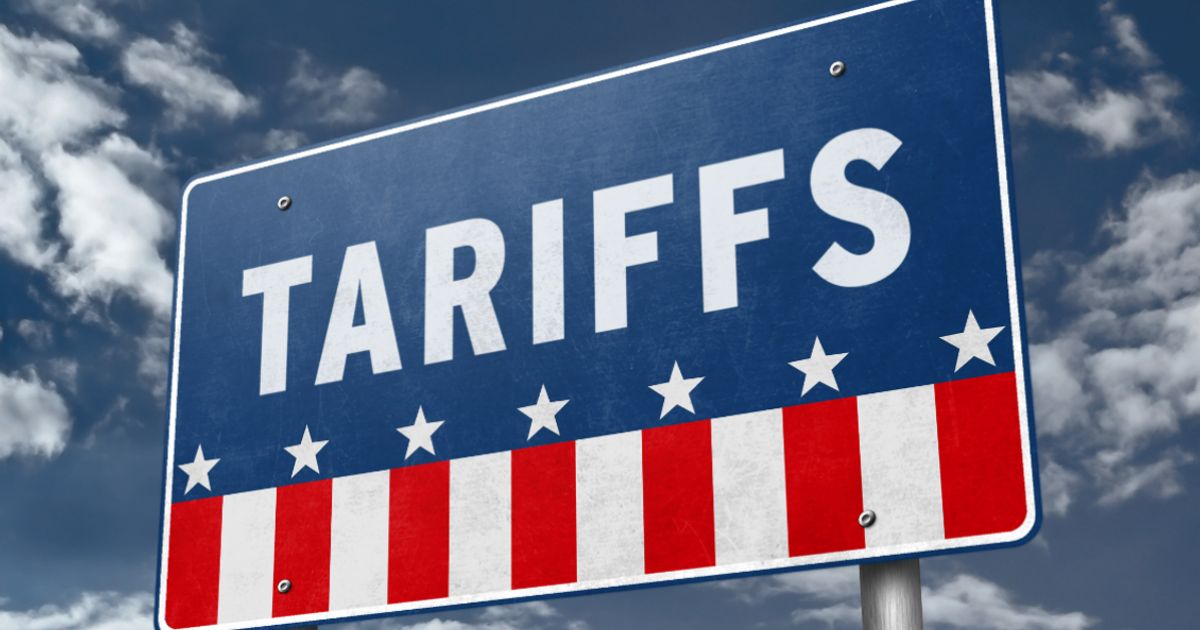
President Trump has criticized Walmart and Amazon for their responses to new global tariffs, accusing them of using tariffs as a pretext for raising prices. Walmart CEO Doug McMillon warned that the company may pass on tariff-related costs to consumers due to narrow margins and a high volume of imports (40% of inventory), while Amazon drew scrutiny for considering labeling tariff impacts on pricing, though it later clarified it would not do so explicitly. The dispute highlights the ongoing debate over who will bear the burden of tariffs and their ultimate impact on consumers.
Walmart Inc. (WMT) and Amazon.com Inc. (AMZN) are currently under direct criticism from the White House regarding their responses to new global tariffs, with President Trump accusing the retailers of leveraging these tariffs to unjustifiably raise consumer prices. This political pressure introduces uncertainty for both companies. Walmart's CEO, Doug McMillon, has indicated that the company's narrow retail margins and significant reliance on imports, which constitute approximately 40% of its inventory, make it challenging to fully absorb tariff-related costs, suggesting that price increases for consumers could occur as early as late spring or early summer. Amazon faced scrutiny for potentially transparently labeling tariff impacts on its pricing, a move perceived as provocative by the administration, leading the company to clarify it would not explicitly display such costs following discussions between President Trump and Amazon founder Jeff Bezos. The situation underscores a broader economic debate on the ultimate bearer of tariff burdens – businesses or consumers – and reflects the tension between administration trade policy aims, such as promoting domestic manufacturing, and the operational realities faced by large importers. The overall sentiment surrounding this development is moderately negative for the companies involved, carrying a moderate market impact score, reflecting the potential for margin compression or reduced consumer demand if prices rise.
AI-powered research, real-time alerts, and portfolio analytics for institutional investors.
Overall Sentiment
moderately negative
Sentiment Score
-0.50
Ticker Sentiment
