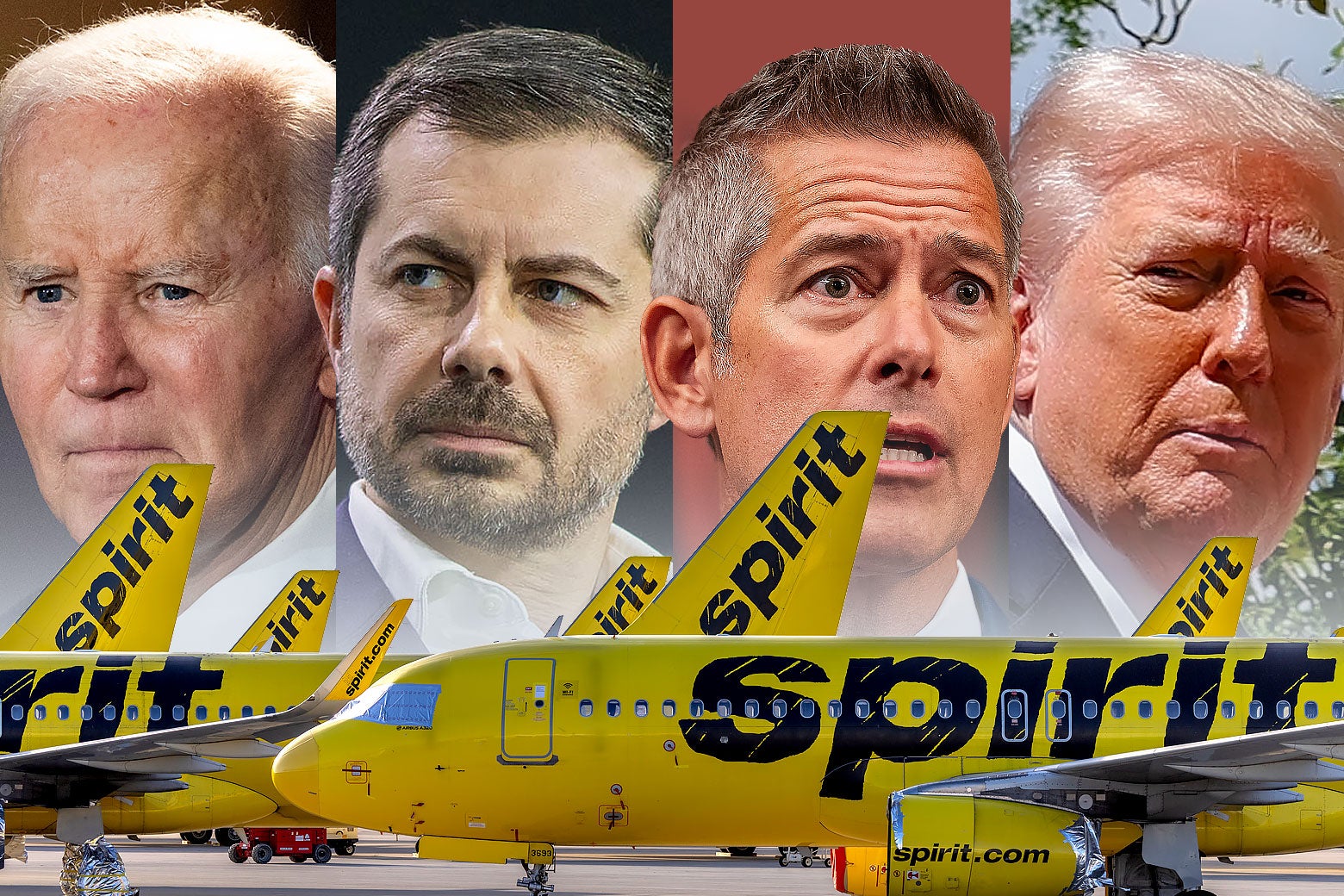
Spirit Airlines abruptly shut down operations after failing to secure a Trump administration bailout, following a bankruptcy history and an orderly wind-down tied to a sharp rise in fuel costs. The article also highlights the blocked $3.8 billion JetBlue merger as a major strategic inflection point, with commentary arguing the deal may have helped preserve Spirit as a viable low-cost carrier. The collapse underscores pressure from higher fuel prices, aircraft engine issues, and intensifying competition from network airlines' basic economy offerings.
ULCC is now a case study in how regulatory delay can become an equity wipeout when a structurally weak carrier loses optionality before the next demand shock. The second-order issue is not just one airline disappearing; it is that the remaining ultra-low-cost capacity is likely to be absorbed into more disciplined pricing by larger carriers, which supports industry yields even if headline fares do not immediately spike. That dynamic is more relevant over 3-12 months than over 3-12 days: capacity discipline tends to show up first in ancillary fee mix and route rationalization, then in broader fare stability. The biggest beneficiary set is not the obvious legacy airlines but the aircraft-less competitors that monetize consumer substitution away from the cheapest possible seat. If Spirit’s seating, route, and fare pressure fade, Southwest and Frontier gain a cleaner pricing backdrop, while the majors retain their basic-economy firewall without needing to fight a discount war on every marginal route. Fuel is the immediate catalyst, but the deeper risk is that this event tightens lender standards across the sector, making any weaker leisure carrier more expensive to refinance over the next 6-18 months. The market may be underpricing how fast this can cascade into creditor and lessor behavior: a failed rescue raises the hurdle rate for any distressed airline recap, and that can force earlier capacity cuts elsewhere. The contrarian point is that the bear case for ULCC is not cyclical fuel alone; it is the end of the price umbrella that let unprofitable capacity survive. If that is right, the industry’s low-fare floor resets upward even if fuel normalizes. From a tape perspective, the cleanest expression is not chasing ULCC after a collapse, but owning the beneficiaries of a tighter discount-airfare regime. The setup favors relative-value rather than outright beta: long carriers with pricing power and short the weakest price-takers. Any bounce in ULCC on bailout chatter or speculative asset-sale hopes should be sold into unless there is a credible financing package with enough liquidity to bridge at least two summer travel seasons.
AI-powered research, real-time alerts, and portfolio analytics for institutional investors.
Request DemoOverall Sentiment
extremely negative
Sentiment Score
-0.92
Ticker Sentiment
