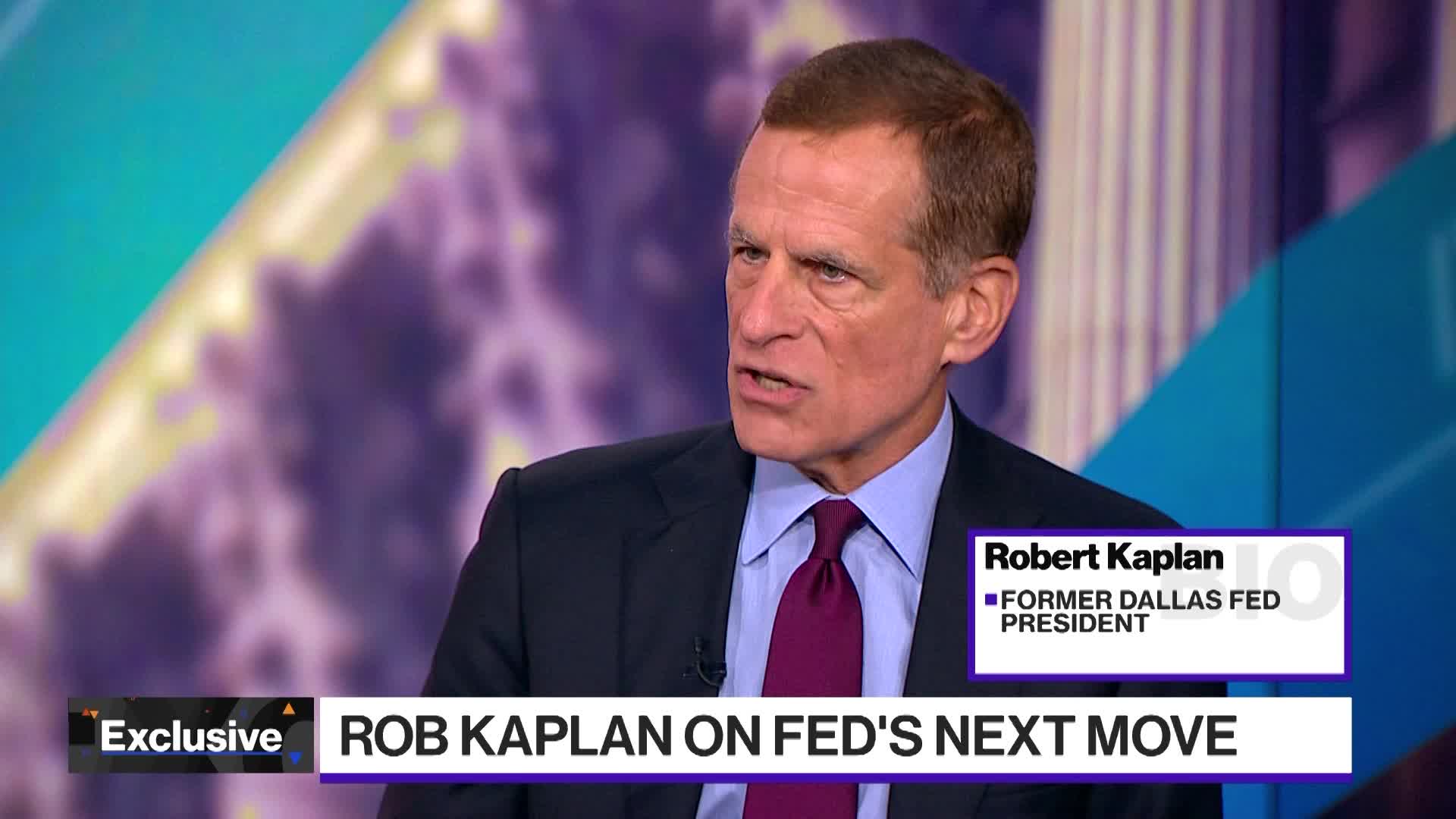
The article highlights Goldman Sachs' Kaplan's analysis of current labor market data, its influence on bond yields, and the resulting implications for Federal Reserve interest rate policy, providing essential macroeconomic insights for institutional investors navigating monetary policy expectations.
The article directs attention to commentary from Goldman Sachs' Kaplan, focusing on the critical macroeconomic relationship between labor market data, sovereign bond yields, and the Federal Reserve's interest rate policy. This analysis is significant as it provides insight from a major financial institution on how current employment trends are being interpreted in the context of future monetary tightening or easing. The linkage of these three themes—labor, yields, and Fed policy—is fundamental for institutional investors pricing assets. The neutral sentiment and low market impact score suggest Kaplan's commentary is likely an interpretation of existing data trends rather than a new, market-moving forecast, offering a measured perspective on the economic outlook.
AI-powered research, real-time alerts, and portfolio analytics for institutional investors.
Request DemoOverall Sentiment
neutral
Sentiment Score
0.00
Ticker Sentiment
