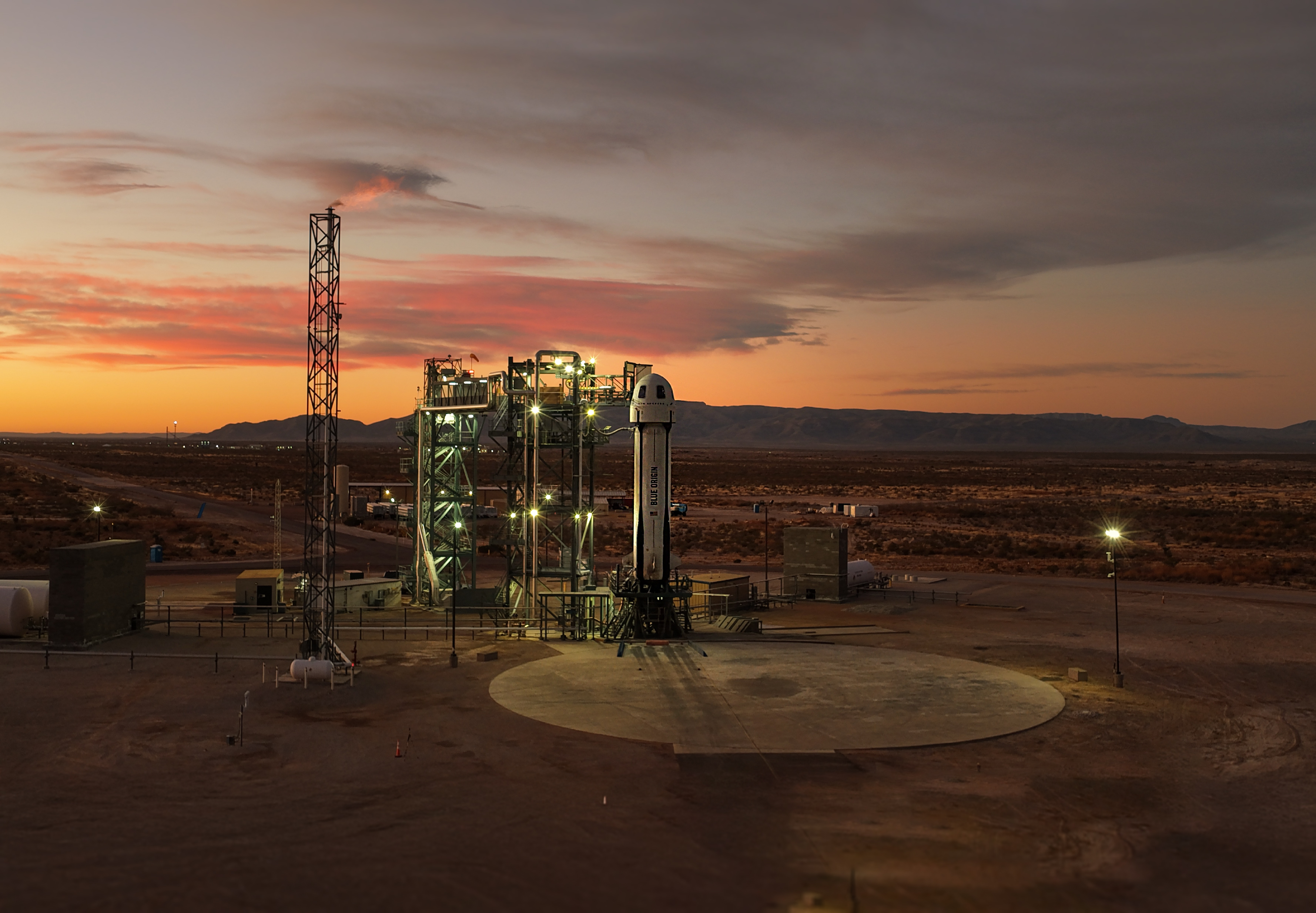
Blue Origin will pause New Shepard suborbital flights for no less than two years to reallocate resources toward accelerating the company's human lunar capabilities. New Shepard has completed 38 flights, carried 98 humans above the Kármán line and flown over 200 scientific payloads and retains a multi-year customer backlog; the suspension creates a near-term disruption to the company’s space‑tourism revenue stream while signaling a strategic shift in capital and engineering focus toward lunar human flight and related programs.
Market structure: Blue Origin’s pause removes an active supplier of suborbital human flights for at least 24 months, effectively setting suborbital seat supply to zero from Blue Origin and tightening an already limited market. Winners include competitors with available suborbital capacity (Virgin Galactic, ticker SPCE) and firms tied to orbital/lunar programs (ASTS gets near-term lift from a New Glenn manifest and aerospace primes such as LMT, NOC, MAXR stand to gain from reallocated spending). The multi-year New Shepard backlog implies deferred revenue rather than permanent lost demand, preserving pricing power for remaining providers when the market rebalances.
Risks & timing: Immediate (days–weeks) volatility will cluster around mission manifests and contractor statements; short-term (1–6 months) risks are launch schedule changes for New Glenn and ASTS payload milestones; long-term (2+ years) outcomes hinge on whether the reallocation accelerates lunar contracts or produces cost overruns. Tail risks: New Glenn/Blue Origin failures, government re-prioritization of Artemis funding, or supplier liquidity stress creating contagion into small-cap space-equipment names. Hidden dependencies include suppliers with concentrated revenue to New Shepard (single-digit to mid-double-digit % exposures) and NASA/DoD contracting calendars that can amplify wins or losses.
Trade implications: Tactical ideas favor small, event-driven longs: establish a 1–2% position in ASTS ahead of New Glenn-3 (timeframe 0–6 months) with a 20–40% upside target and 20% stop; add a 1–2% tactical long in SPCE expecting diverted demand for 3–12 months. Use option structures to size risk: buy 3–6 month ASTS call spreads to cap downside, and buy SPCE 90–120 day call spreads around earnings/launch windows. Defensive: buy 3–6 month puts on small-cap payload integrators with >20% revenue exposure to Blue Origin if available.
Contrarian view: Market may underprice Blue Origin’s preserved backlog — a pause can create artificial scarcity that raises margins for survivors and enables incumbents to extract higher prices when flights resume; conversely, if the market assumes immediate revenue loss, small-cap suppliers are likely oversold. Historical parallels: airline network pauses that reallocate fleet to higher-margin routes produced 15–35% margin expansions over 12–24 months; similar effects are plausible here if lunar funding converts into fixed-price contracts. Key catalysts to watch: confirmed New Glenn-3 launch date (next 1–3 months), any NASA/DoD lunar contract awards (0–12 months), and supplier quarterly guidance revisions.
AI-powered research, real-time alerts, and portfolio analytics for institutional investors.
Request DemoOverall Sentiment
mildly negative
Sentiment Score
-0.25
Ticker Sentiment
