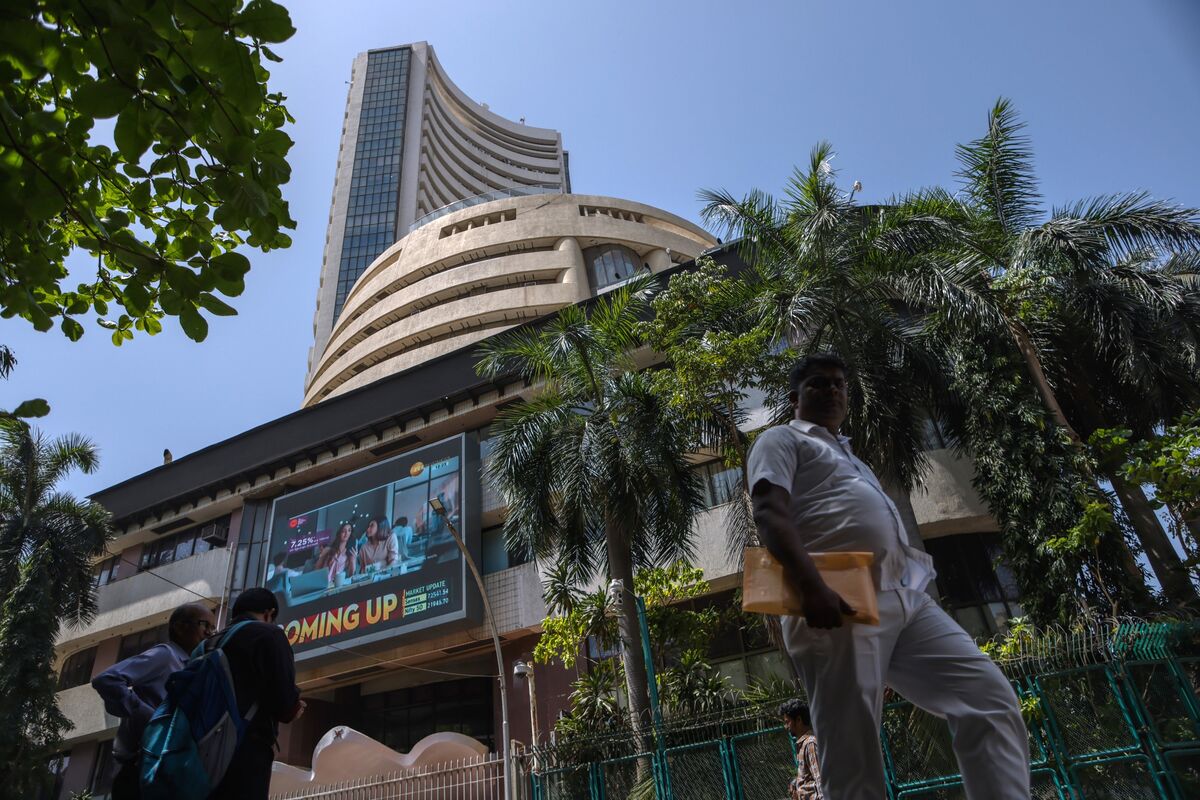
India's equity derivatives market is under heightened regulatory scrutiny as the Securities and Exchange Board of India (SEBI) considers tighter curbs following reports of deepening retail trader losses. This comes amidst SEBI's recent ban on Jane Street Group, alleging the firm manipulated prices to generate billions at the expense of small investors, a claim Jane Street denies. The escalating regulatory pressure signals potential shifts in market access and operational frameworks for institutional investors in India, raising concerns about market integrity and future trading conditions.
The Indian equity derivatives market is facing a significant increase in regulatory risk, creating uncertainty for a market segment that has recently experienced substantial growth. This pressure stems from two key developments: a report indicating deepening losses among retail traders, which is prompting the Securities and Exchange Board of India (SEBI) to consider imposing tighter curbs, and the regulator's recent decision to bar Jane Street Group from local markets. The ban on Jane Street, a major global proprietary trading firm, is based on allegations of price manipulation at the expense of retail investors—charges the firm denies. This high-profile enforcement action signals a more stringent regulatory environment and could set a precedent for other institutional participants, potentially threatening the market dynamics that contributed to the 900% rally mentioned for Asia's oldest stock exchange.
AI-powered research, real-time alerts, and portfolio analytics for institutional investors.
Request DemoOverall Sentiment
strongly negative
Sentiment Score
-0.75
