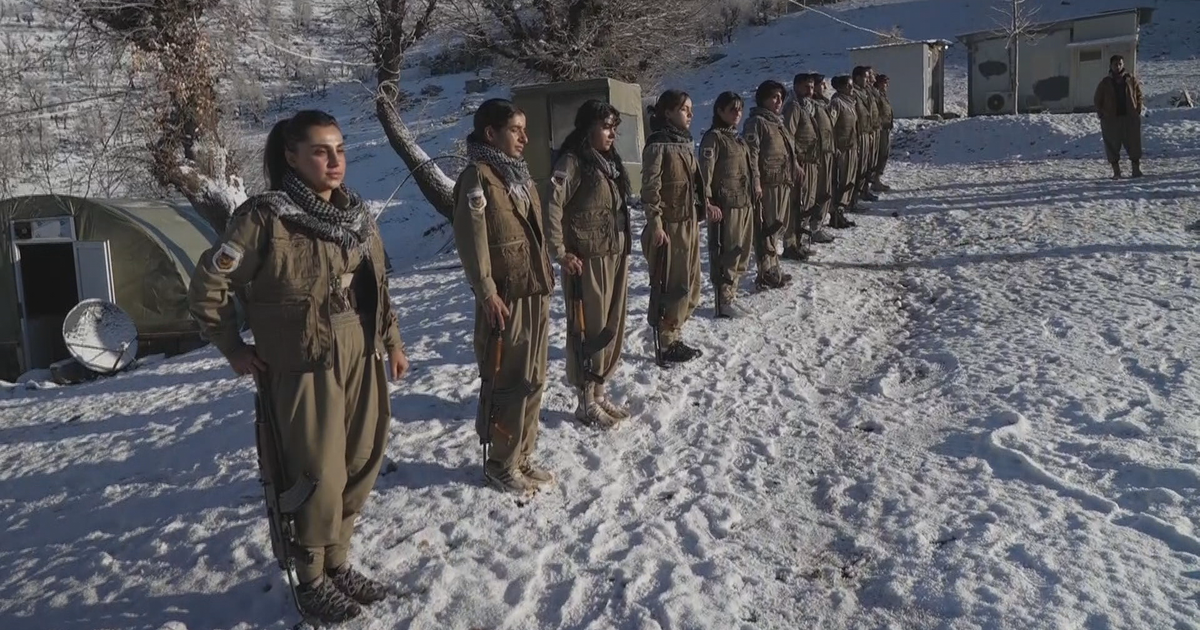
Exiled Kurdish Iranian opposition group PDKI, based in northern Iraq, says its trained fighters are ready to act against Iran's hardline regime but will hold off absent international support; leader Mustafa Hijri warned a premature incursion could be used by Tehran to further justify lethal repression. President Trump signaled a step back from threats of U.S. intervention after reports that Iranian authorities’ crackdown may have killed upwards of 12,000 people, leaving the opposition and millions inside Iran in a precarious holding pattern. The standoff sustains geopolitical risk for the region and creates asymmetric tail risk for investors, particularly around Iran-related policy shifts and any escalation that could affect regional stability.
Market structure: The immediate winners are defense contractors (LMT, RTX, GD) and energy producers with flexible spare capacity (XOM, CVX); losers are EM sovereign credit, regional banks and airlines (DAL, AAL) that reprice geopolitical risk. Expect a modest risk premium in Brent of 2–6% for localized unrest and 10–25% if escalation threatens shipping or Iranian facilities, shifting pricing power to integrated majors and short-cycle producers. Supply/demand: physical disruption probability is low today but non-zero; markets will price forward cover (inventory builds, term premiums) if incidents persist beyond 2–6 weeks.
Risk assessment: Tail events include direct US strikes, Iranian cross-border retaliation into Iraq, or proxy escalation with Israel — each would push Brent > $100 and spike VIX >25; probability ~5–15% in next 3 months but >30% over 12 months if regime collapse dynamics accelerate. Short-term (days–weeks) expect risk-off: oil and gold up, EM FX down 3–8%, USTs bid; medium-term (months) trade flows depend on sanctions and Turkey/China responses. Hidden dependencies: China’s crude purchases and Turkey’s Kurdish policy can decisively dampen or amplify outcomes.
Trade implications: Favor small, scalable positions: 1–3% long in LMT/RTX for a 3–6 month horizon hedged with calls rather than outright stock, 1–2% long Brent 3-month call spreads 5–15% OTM (scale if Brent > $90), 0.5–1% GLD or short-dated VIX calls as tail hedges. Short EM sovereign exposure (PCY) or TUR (1–2%) on spikes in risk sentiment; pair trade long LMT vs short DAL to capture relative winners/losers. Entry: deploy initial tranches now, add at clear triggers (Brent > $90, VIX >25, or confirmed cross-border strikes); exit or trim if Brent < $75 for 30 days or no escalation after 90 days.
Contrarian angles: The market may overweight an immediate US military response — that downside is limited—while underpricing protracted low-intensity conflict that sustains risk premia in energy and defense. Historical parallels (2019–20 Iran tensions) show price spikes are sharp but mean-revert within 2–3 months; use options to capture asymmetry rather than large directional longs. Unintended consequences include Iran striking Kurdish bases in Iraq, destabilizing Iraq’s oil production and lengthening risk premia — a scenario that favors long-dated protection over cash-and-carry energy longs.
AI-powered research, real-time alerts, and portfolio analytics for institutional investors.
Request DemoOverall Sentiment
moderately negative
Sentiment Score
-0.50
