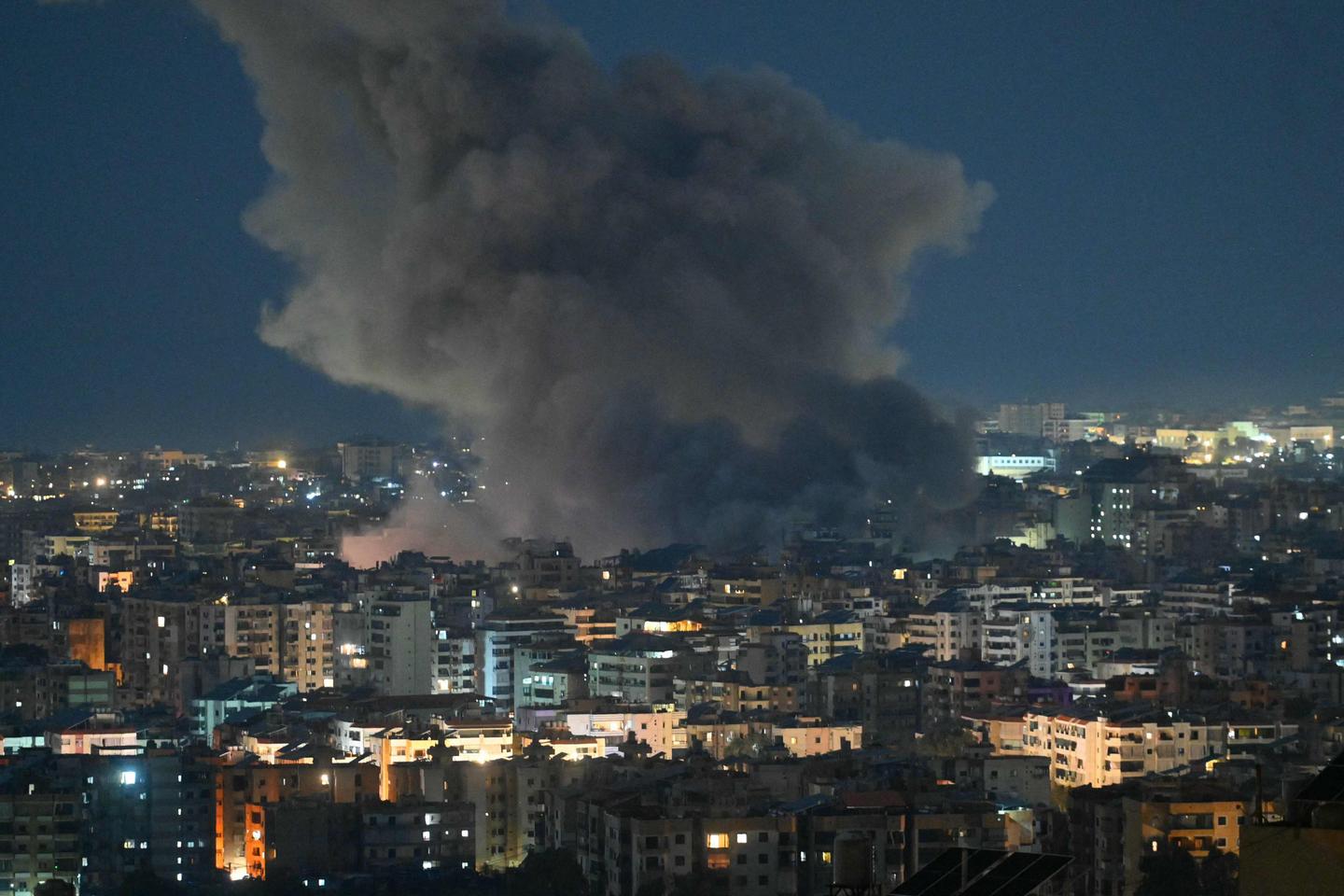
Israel escalated military operations after a joint US-Israel strike on Iran on Feb. 28 and launched a new offensive against Hezbollah on March 2 following rocket fire, creating a two-front conflict. Senior Israeli commanders vowed to eliminate threats from both Iran and Lebanon, ordering use of land, naval and air assets and noting preemptive strikes and prior coordination with US military intelligence despite a November 2024 ceasefire. The intensification materially raises regional geopolitical risk with likely near-term impacts on risk assets, defense equities and safe-haven flows.
Market structure: Immediate winners are prime defense contractors (Lockheed LMT, Raytheon RTX, Northrop NOC) and large integrated oil producers (Exxon XOM, Chevron CVX); expect a 6–18% re-rate for top-tier defense names over 3–6 months if conflict persists and governments increase procurement. Direct losers: Israeli equities (EIS), Lebanese/Hezbollah-linked assets, regional airlines/cruise (AAL, RCL) and tourism-dependent EMs; expect 10–30% drawdowns in local-risk assets on sustained two‑front intensity.
Cross-asset and supply/demand: Risk-premia will bid oil and shipping-insurance costs higher — a sustained disruption through the Strait of Hormuz or Red Sea would add ~$10–30/bbl to Brent (moving baseline to $90–$120), shifting margin/power to majors and tanker owners. Safe-haven flows should pressure equities, push 10y UST yields down ~20–40bp near-term, and strengthen USD/JPY/CHF while elevating realized and implied equity volatility (VIX +40–80% intra‑weeks).
Risks & horizons: Tail risk is escalation into wider Iran involvement or attacks on commercial shipping causing oil spikes >$120 and global equity drawdowns of 20–30% (low prob, high impact). Time horizons: days — risk-off and volatility spikes; weeks–months — strategic defense orders and elevated oil/gold prices; quarters — potential fiscal reallocation to defense and energy security reshaping capex and supply chains. Hidden dependencies: insurance/freight rates, US political/military engagement, and OPEC+ reactions.
Contrarian view: The market may overshoot on risk-off, creating idiosyncratic entry points—quality tech and semis can be structurally cheap if volatility normalizes (similar to post‑2011 regional flareups). Beware crowding into defense ETFs; valuation gaps between primes (LMT/RTX/NOC) and smaller suppliers can compress if procurement timelines slip or domestic production constraints surface.
AI-powered research, real-time alerts, and portfolio analytics for institutional investors.
Request TrialOverall Sentiment
strongly negative
Sentiment Score
-0.60
