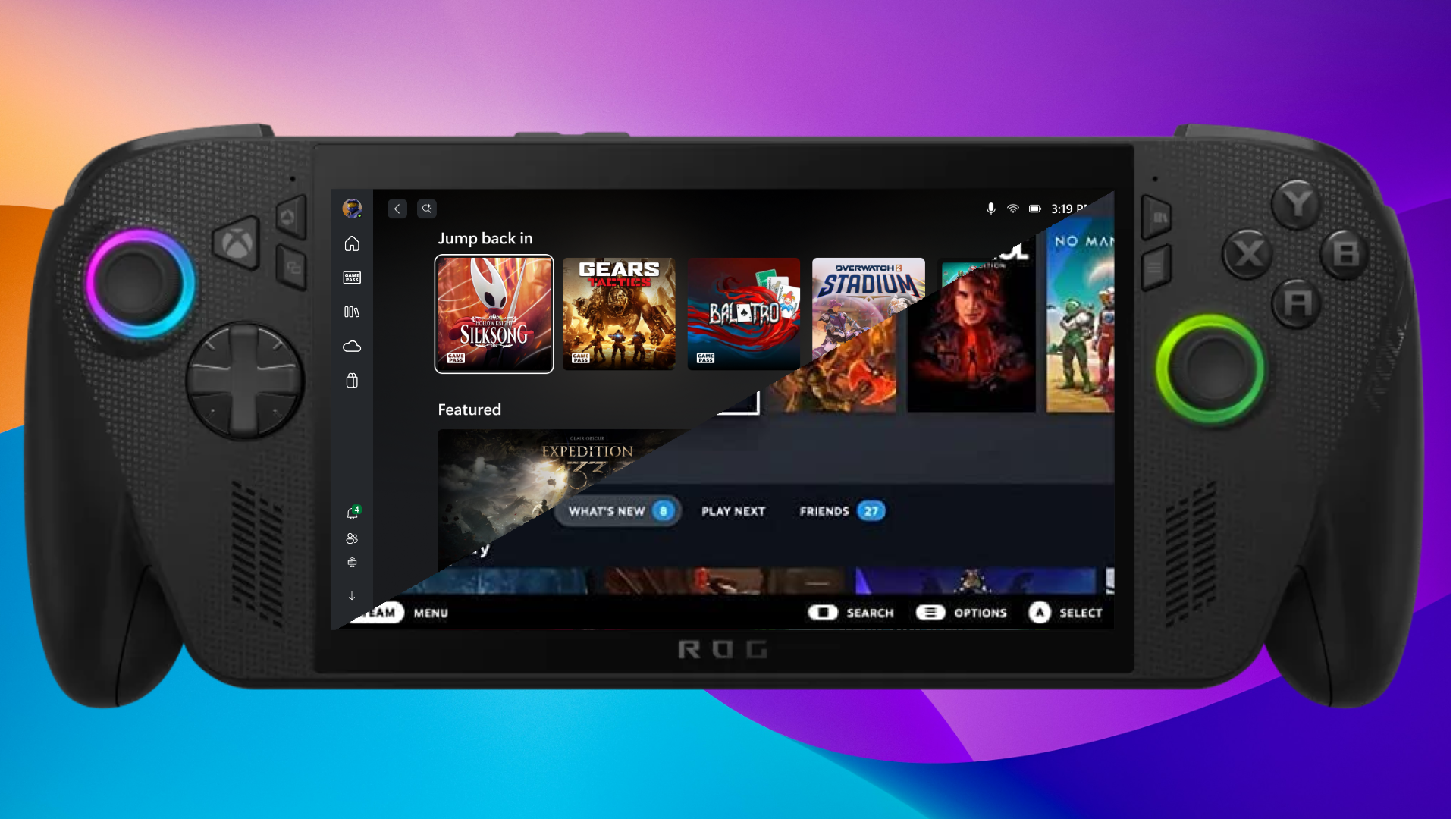
ASUS told investors the ROG Xbox Ally X—a premium $999-plus Windows-based handheld developed with Microsoft—has outperformed expectations, is currently in short supply and the company is ramping production with key suppliers to close the gap; ASUS expects the Ally line to generate NT$3–5 billion (about $96m–$160m) this quarter and to stabilize around NT$4–5 billion ($130m–$160m) per quarter going forward. The strong early demand positions the Ally as a new growth driver in ASUS’s gaming portfolio and validates the OEM Windows‑on‑Xbox approach, but the product still shows PC-style usability quirks and Xbox publishing hurdles that could limit wider console‑market adoption.
ASUS reported at an investor meeting that demand for the premium ROG Xbox Ally X has “exceeded expectations,” leaving the high-end $999+ variant in global short supply; the company now expects the Ally line to generate NT$3–5 billion (about $96m–$160m) this quarter and to stabilize around NT$4–5 billion (about $130m–$160m) per quarter going forward. ASUS admitted it underestimated demand in response to a Morgan Stanley question and is working with key component suppliers to ramp production to fill the gap.
The Ally X is powered by AMD Z2-A/Z2 Extreme silicon and represents a strategic OEM play tied to Microsoft’s Windows-on-Xbox roadmap, positioning the product as a new growth driver in ASUS’s gaming portfolio and a test bed for wider OEM Xbox devices. Early commercial traction validates premium positioning but also signals potential upstream beneficiaries among component suppliers tied to high-end SKUs.
Material execution risks remain: inventory constraints could pressure near-term revenue volatility and component margins during the ramp, while product-level frictions—Windows Firewall prompts, focus-loss in full-screen mode—and Xbox publishing hurdles may limit broader console-like adoption until software/usability fixes and publishing improvements are proven. Investors should weigh the revenue upside against supply-chain execution and platform adoption risks when modeling ASUS’s gaming segment contribution.
AI-powered research, real-time alerts, and portfolio analytics for institutional investors.
Overall Sentiment
moderately positive
Sentiment Score
0.45
Ticker Sentiment
