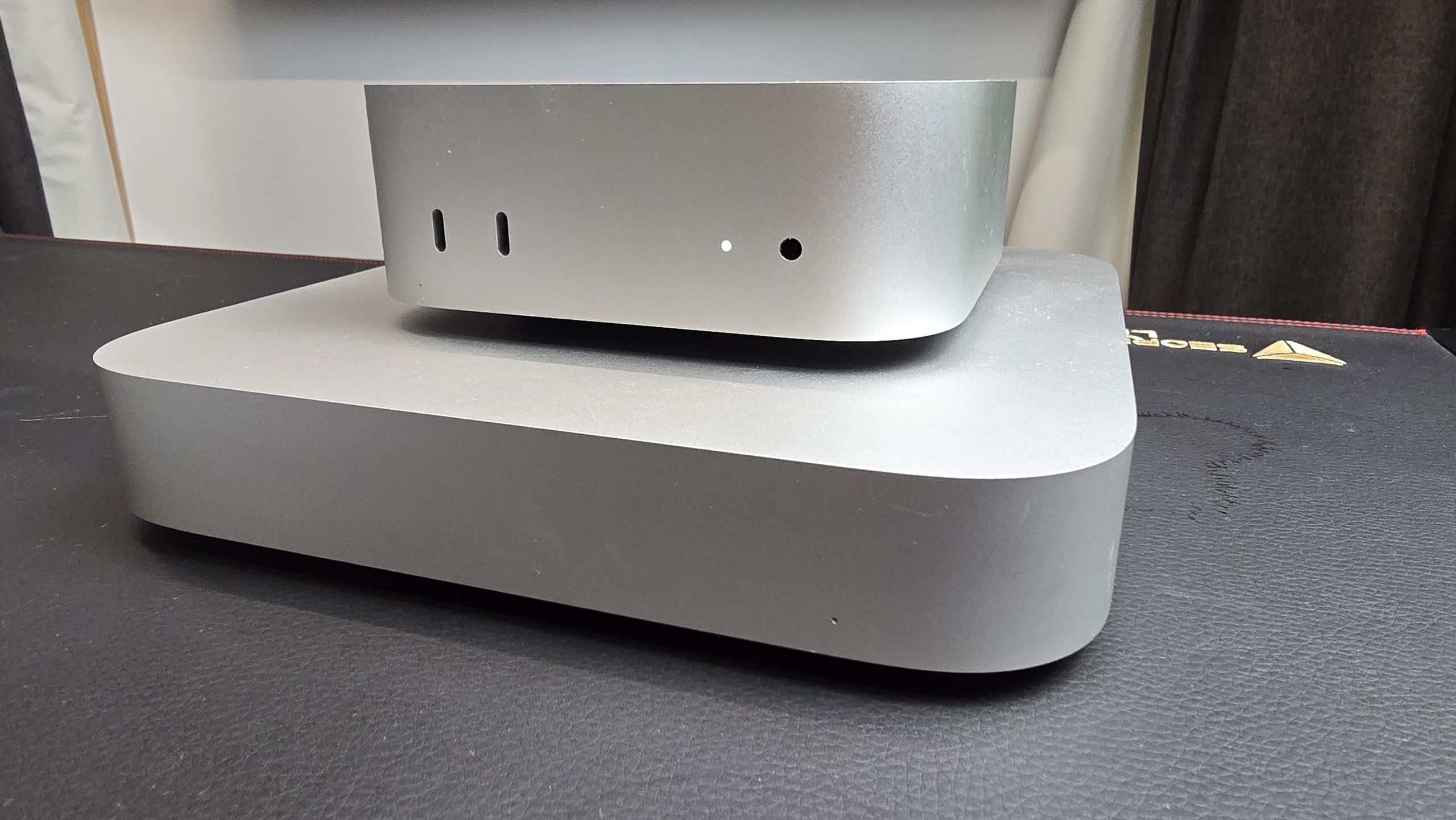
Shipping delays for the M4 Mac mini have widened materially: standard models show 4–5 week waits, 24GB builds 10–12 weeks, and 32GB builds 16–18 weeks (over four months in some markets). The piece attributes this to a global RAM shortage impacting Apple's unified (soldered) memory supply, which may constrain availability and help explain the absence of M5 Mac mini/Mac Studio launches. Practical implications: buyers are pushed toward base 16GB configs or third-party retailers, and purchased machines cannot be memory-upgraded later due to soldered memory.
Memory tightness is not a one-product problem — it creates allocation dynamics across Apple’s entire device stack and the broader electronics supply chain. With a constrained commodity, marginal dollars flow to the highest-margin or strategic SKUs first, which can depress volume and raise mix risk for products that rely on bespoke memory configurations; this reallocative effect is likely to show up in Apple’s unit growth and channel inventory over the next 1–3 quarters.
The most direct beneficiaries are DRAM suppliers and the capital-equipment vendors that enable increased wafer/packaging capacity; their order books can re-accelerate within 3–9 months if pricing and utilization trends persist. Conversely, OEMs and retailers that rely on configurability and aftermarket upgrades face demand compression and higher lost-sales risk, shifting some end customers to competing platforms or delayed replacement cycles over the next several months.
Key catalysts that would reverse the current squeeze are (1) a rapid inventory build from legacy fabs or subcontracting of memory packaging, (2) a pivot by Apple to prioritize different SKUs or absorb higher component costs, or (3) a sharp drop in enterprise DRAM demand that frees capacity — expect these to materialize in 2–6 months for tactical relief and 6–18 months for structural capacity changes. Trade-policy or new capacity announcements are low-probability, high-impact tail events that would meaningfully change the landscape.
The market’s reaction appears mildly negative but not panicked. The downside for Apple is muted by non-hardware revenue and diversification of device sales, so any read-through to the stock should be viewed as concentrated on near-term margin/mix risk rather than a durable earnings shock. Monitor Apple’s channel inventory disclosures, DRAM spot-price curves, and memory vendor bookings for clear inflection signals.
AI-powered research, real-time alerts, and portfolio analytics for institutional investors.
Request DemoOverall Sentiment
mildly negative
Sentiment Score
-0.25
Ticker Sentiment
