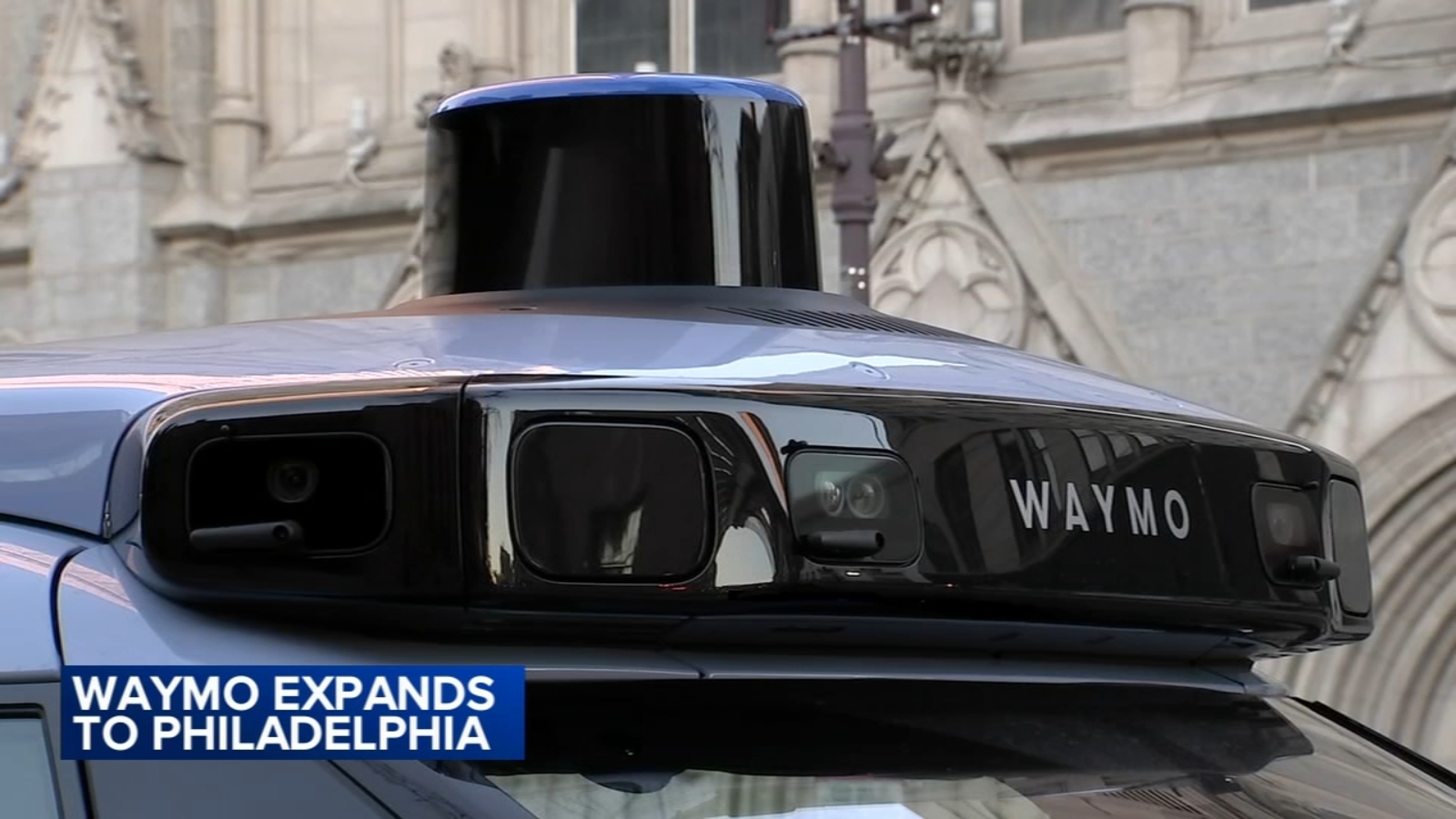
Waymo has initiated autonomous test drives in Philadelphia with human safety specialists aboard, signaling planned expansion of its fully autonomous ride‑hailing service in the region alongside operations in Baltimore, Pittsburgh and Washington, D.C. PennDOT described the testing as a first step toward driverless operations in Pennsylvania, but Waymo offered no public launch timeline and emphasized riders cannot yet hail vehicles; prior high‑profile incidents elsewhere and local safety skepticism underscore near‑term adoption and regulatory risks, implying limited immediate revenue impact for investors while keeping longer‑term growth optionality intact.
Market structure: Waymo’s Philly tests reinforce a winner-takes-most dynamic for software/AI stack owners (Alphabet/GOOGL) and specialised sensor/vision vendors (Mobileye/MBLY, Luminar/LAZR) while pressuring labor-heavy ride-hail margins (Uber/UBER, Lyft/LYFT) over 1–3 years. Expect downward pressure on per-ride pricing and structural capex shifting to fleets and mapping, increasing demand for semiconductors (NVDA/INTC) and high-precision sensors; used-car turnover dynamics could compress residual values by mid-decade. Cross-asset: municipal bonds may see higher funding needs for AV infrastructure (2–5% issuance tail), oil demand growth could slow marginally over years, while credit spreads of legacy taxi/rental operators could widen 100–300bps on adoption shocks.
Risk assessment: Primary tail risks are a high-profile fatality or cyberattack prompting multi-jurisdictional regulatory halts (10–30% near-term equity drawdowns for exposed names) and data-privacy fines (>$500m for large players). Immediate (days) risk is reputational; short-term (weeks–months) is regulatory scrutiny in PA/other states; long-term (2–5 years) is commercial viability in dense, adversarial driving environments. Hidden dependencies include mapping exclusivity, local permit regimes, and event-driven congestion (stadiums, parades) that can amplify outages; catalysts include NHTSA findings, state-level legislation, or a single large-scale incident.
Trade implications: Tactical trades favor long GOOGL/MBLY/LAZR and overweight semiconductors (NVDA) while shorting high-PE ride-hail operators (UBER/LYFT) that face margin erosion. Use asymmetric option structures: 9–12 month 25–40% OTM call spreads on GOOGL/MBLY to capture upside while limiting premium, and 6–12 month puts on UBER/LYFT for downside protection. Rotate capital from legacy auto-finance and taxi-equivalent credit into tech/sensor names over 3–12 months as regulatory clarity improves.
Contrarian angles: The market underestimates operational friction in older East-Coast grids — adoption may be slower than consensus (expect <10% ride-hail AV penetration in major metros by 2027 vs. bullish 20–30%). Conversely, investors are under-exposed to software/IP monetisation (maps, fleet orchestration) which could deliver 30–50% higher long-term margins for GOOGL/MBLY versus hardware-only plays. Historical parallel: early rideshare regulatory cycles (2013–2016) show multi-year legal/regulatory noise but eventual dominance of platform owners; unintended consequences include higher surveillance/regulatory compliance costs that compress supplier margins more than platform margins.
AI-powered research, real-time alerts, and portfolio analytics for institutional investors.
Request DemoOverall Sentiment
mildly negative
Sentiment Score
-0.25
