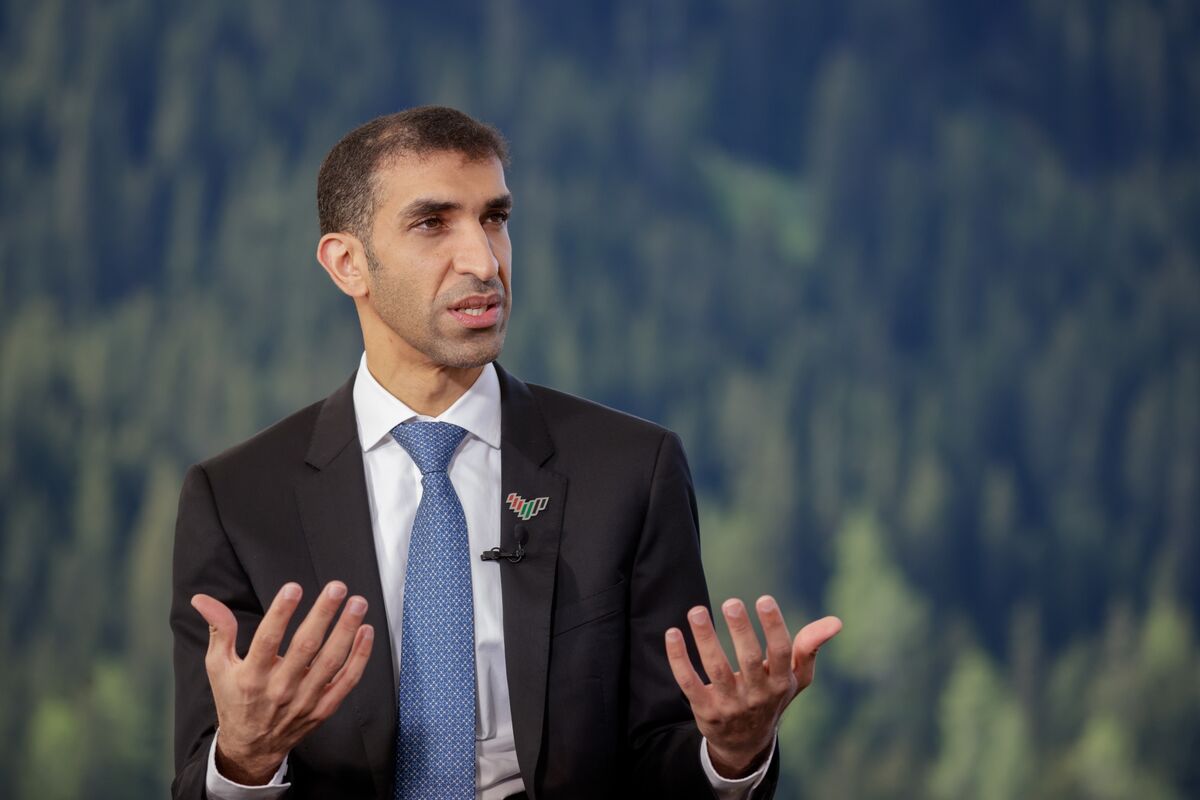
The UAE said its swap talks with the US are about joining an 'elite' group with access to Federal Reserve liquidity lines, not seeking external bailout financing. Minister Thani Al Zeyoudi said the facility is still under discussion, framing it as a prestige-and-liquidity arrangement rather than financial distress. The article is largely qualitative and does not indicate an immediate market-moving policy change.
This is less about near-term funding stress in the UAE and more about signaling a hierarchy in global liquidity access. If the Fed entertains a swap line, the marginal beneficiary is not UAE banks per se but the broader Gulf capital stack: sovereigns, quasi-sovereigns, and regional lenders would gain a cheaper backstop, lower USD funding premia, and a stronger bid for international issuance. The second-order effect is competitive—other Gulf states, and eventually select emerging-market central banks, will be judged against this precedent, which could widen the gap between “tier-1” USD liquidity regimes and everyone else. The main market impact is on dollar liquidity expectations rather than the dirham itself. Any credible path to a swap line compresses local FX and bank funding risk premia, which tends to support longer-dated UAE sovereign/quasi-sovereign credit more than equities. It also subtly reinforces the USD’s role as the reserve asset of choice: the Fed is effectively monetizing geopolitical trust, not just macro need. That dynamic can pressure eurodollar alternatives and leaves regional borrowers with less incentive to diversify away from USD liabilities. The contrarian risk is timing: this can easily become a multi-month negotiation with no immediate tradable catalyst, and markets may overprice the probability of approval. If the US conditions a facility on regulatory transparency, sanctions alignment, or broader strategic concessions, the process could stall. In that case, the most vulnerable assets are banks and issuers that front-run cheaper USD funding; the less obvious winner would be private credit and offshore lenders who step in at wider spreads while public-market participants wait. For investors, the best expression is to own credit-beta winners on any pullback rather than chase headlines: UAE sovereign/quasi-sovereign paper and top-tier Gulf banks should outperform if a formal line advances, but only over a 1-6 month horizon. The clean relative-value trade is long high-quality Gulf sovereign credit / short weaker EM sovereigns that rely on USD funding but lack reserve credibility, as this story likely increases dispersion in funding access. Optionality is better than spot risk here; the asymmetric setup is long USD funding stress hedges only if talks fail or broaden into politically contentious bargaining.
AI-powered research, real-time alerts, and portfolio analytics for institutional investors.
Request DemoOverall Sentiment
neutral
Sentiment Score
0.05
