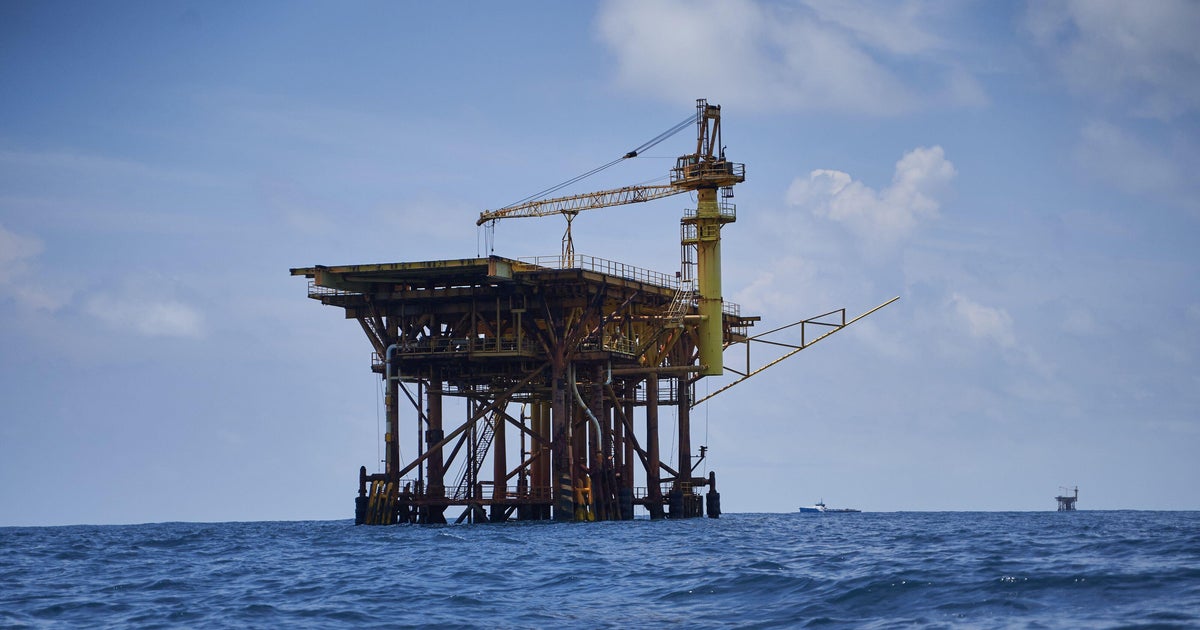
The Endangered Species Committee granted a national-security exemption to the Endangered Species Act to allow oil and gas drilling in the Gulf of Mexico. The Gulf produces ~2 million barrels/day (about 15% of U.S. crude), and the exemption is intended to streamline approvals and reduce litigation risk for offshore projects but has already triggered immediate legal challenges and widespread conservationist condemnation. Environmental risk is acute: Rice's whale is estimated at ~50 individuals and federal analysis flagged likely harm to multiple whale species, sea turtles and sturgeon. Expect near-term sector benefits for offshore operators from faster permitting, offset by heightened legal, reputational and regulatory risks.
Removing a predictable litigation pathway materially compresses sanction risk for Gulf projects; that turns multi-year optionality into nearer-term executable capex. For projects that were previously sensitive to court timelines, expect sanction decisions to shift forward by several quarters, which feeds higher utilization and pricing power for deepwater contractors within 3–12 months. Valuations should re-rate to reflect lower timing risk rather than more oil production per se, so service names and rig owners capture front-loaded rerating while lift to national crude balances will lag by years.
Capital providers and insurers are the overlooked choke points. Even with regulatory clearance, banks and reinsurers can impose de facto limits via covenants and pricing; under realistic stress scenarios expect borrowing spreads on smaller independents to widen 50–250bps and insurers to demand 10–30% higher premiums for new ultra-deepwater coverage. Those cost moves can flip attractive project NPVs back to marginal for levered juniors but leave well-capitalized contractors largely insulated and able to monetise incremental demand.
Political and judicial tail risks remain acute and binary on short horizons. Litigation or an administrative reversal could vaporise near-term upside in days, while a sustained policy window of 12–36 months would be needed to materially increase regional production. Position sizing should therefore focus on short-to-medium term re-rate candidates and liquid macro hedges rather than long-duration production bets that assume multi-year sanction-to-first-oil timelines.
AI-powered research, real-time alerts, and portfolio analytics for institutional investors.
Request DemoOverall Sentiment
mixed
Sentiment Score
0.00
