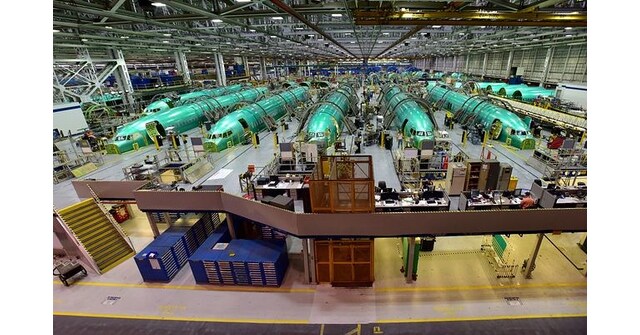
Boeing has completed its acquisition of Spirit AeroSystems, bringing Spirit's Boeing-related commercial operations (including 737 fuselages and major structures for the 767, 777 and 787, plus commercially procured fuselages for the P-8 and KC-46) and its large spare-parts and aftermarket businesses in-house. The deal folds roughly 15,000 employees at multiple U.S. and U.K. sites into Boeing, creates an independent Spirit Defense aligned with Boeing Defense, Space & Security for reporting and select support, and establishes the Belfast operation as Short Brothers, a Boeing Company. Boeing highlights expanded MRO footprint, rotable/lease/exchange inventory gains and expected synergies while warning integration risks and other forward-looking uncertainties.
Market structure: Boeing (BA) internalizing Spirit's commercial and aftermarket business materially increases BA's vertical integration, taking control of 737 fuselage supply and spare-parts flows. That should improve Boeing's pricing power and aftermarket margins (we model a plausible 50–200 bps operating margin tailwind over 12–36 months) while weakening independent Tier‑1 suppliers and aftermarket competitors that relied on Spirit revenue. Airbus (AIR.PA/EADSY) and independent MROs lose relative leverage; airlines could see slower pass‑through of parts cost declines.
Risk assessment: Key tail risks are regulatory/antitrust intervention in the US/EU/UK (10–30% probability of remedies or timelines that delay integration), union or site-level disruptions in Wichita/Belfast (10–20% chance of work stoppage), and integration-driven quality or delivery hits that could induce a 3–6 month production slow‑down. Immediate market reaction should be driven by sentiment (days); regulatory reviews and integration milestones matter over 3–12 months; realized synergies or hidden liabilities will play out over 1–3 years. Watch cash conversion and inventory builds as hidden dependencies.
Trade implications: Direct longs: BA should be bought on weakness with defined size (see decisions) to capture margin and aftermarket upside; short positions should target third‑party fuselage/parts suppliers and selective Airbus exposure for 6–12 month relative bets. Use options to express asymmetric upside while hedging integration tail risk (buy LEAP calls financed by short near‑term calls, and small put hedges). Across assets expect modest spread tightening in BA credit and higher implied volatility in aerospace names; USD/GBP movement could matter for Belfast operations and working capital.
Contrarian angles: Consensus focuses on synergy upside but underprices integration risk and regulatory scrutiny — the market may be underestimating potential near‑term cash and quality shocks. Historical precedent: re‑integrations (Spirit was spun out in 2005) can create multi‑year cultural and supply disruptions; if BA sees >6‑month production impact, estimate downside of 15–25% to equity vs consensus. Conversely, if Boeing executes cleanly, aftermarket captive sales could compound EPS >10% over 2–3 years, so timing and structure of trades are critical.
AI-powered research, real-time alerts, and portfolio analytics for institutional investors.
Request DemoOverall Sentiment
moderately positive
Sentiment Score
0.45
Ticker Sentiment
